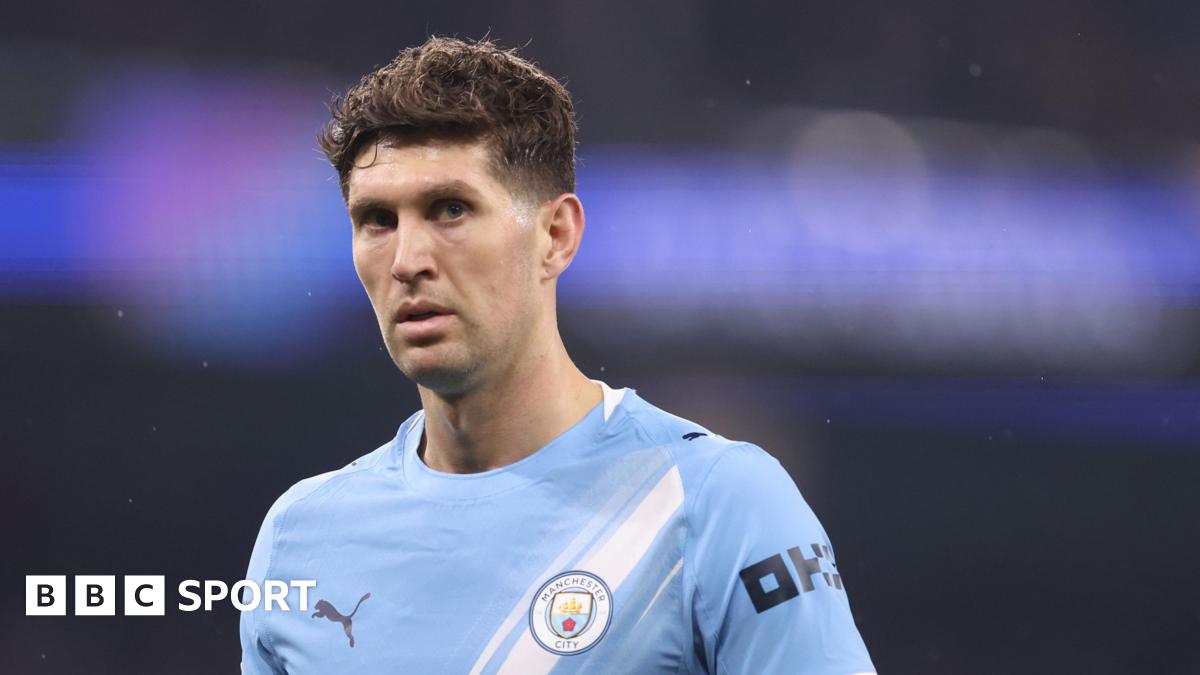
The 51-day countdown to a summer of chaos
We are exactly 51 days away from the World Cup kickoff in North America, and the Premier League is currently paralyzed by a specific type of boardroom anxiety. While the focus remains on the UCL semi-finals next week, there is a list of names floating around training grounds that should keep sporting directors awake at night.
As BBC Sport recently highlighted, the volume of high-profile players reaching the end of their deals this June is unprecedented. This isn't the usual collection of aging backup keepers and disgruntled wingers. We are looking at tactical cornerstones who are about to walk away for zero pounds.
The timing is brutal. Normally, these situations are resolved by February to avoid the distraction of the run-in. Instead, we have stars entering the most intense phase of the season with their bags effectively packed. It is a gamble that rarely pays off for the clubs, but for the players, the June 30 deadline represents the ultimate leverage.
The Manchester City exodus and the end of 'Pausa'
Bernardo Silva has been the Premier League's most polite rebel for four years, but the clock has finally run out. His contract situation is the most pressing tactical concern for Pep Guardiola as they prepare for the Champions League semi-final against Real Madrid. Losing Bernardo isn't just about losing a body; it is about losing the team's internal metronome.
His data this season remains absurdly consistent. He is still averaging 88.4% pass completion in the final third, a figure that most midfielders can't reach in their own half. He provides the 'pausa' that allows City to reset their structure while the opposition is chasing shadows. Without him, City's rest defense becomes significantly more vulnerable to the vertical transitions that teams like Arsenal and Liverpool have perfected.
The rumor mill suggests PSG or Barcelona are the only logical destinations. For City, replacing a player who covers 11.8km per match while maintaining that level of technical security is impossible. If he leaves, we are looking at a fundamental shift in how Guardiola manages games. The era of total control might be replaced by something far more frantic and, frankly, less effective.
United's expensive sunset and the Casemiro problem
Across town, the situation is far less sentimental. Casemiro’s contract expiration feels less like a loss and more like a necessary structural adjustment. At his peak, he was the glue holding a dysfunctional midfield together. In April 2026, he looks like a man trying to play football in a pair of deep-sea diving boots.
The numbers are damning. His successful tackle rate has plummeted from 3.8 per 90 two seasons ago to just 2.1 this term. In a league that is getting younger and faster, having a £45 million-a-year asset who cannot track a runner into the box is a tactical disaster. He is frequently caught in no-man's land, neither shielding the back four nor contributing to the build-up.
The expected move to the Saudi Pro League makes sense for everyone. United need to slash their wage bill to comply with the stricter financial regulations coming into play next season. Keeping him on a massive extension would be a failure of the new INEOS leadership. They need a profile that can actually cover ground, not a decorated veteran who is perpetually 20 yards behind the play.
The World Cup factor and the Bosman leverage
The proximity of the World Cup is changing the psychology of these negotiations. Most players out of contract are refusing to sign anything until after the tournament in the hope that a strong showing in the US increases their signing-on fee. It is a high-stakes strategy. An ACL injury in a May fixture could end a career without the safety net of a long-term deal.
Liverpool's Andrew Robertson is the outlier here. While his crossing volume has dipped—he’s averaging just 1.24 successful crosses per 90, his lowest since arriving at Anfield—his experience is vital for a squad in transition. Unlike the others, Robertson seems likely to extend. He has adapted his game, tucking inside more often to help the build-up, showing a tactical intelligence that suggests he can play at this level for another three years.
However, the general trend is clear. The era of clubs holding all the power is dead. Players like Bernardo Silva and the others on the BBC's list have realized that a free transfer is the only way to secure a massive final payday in a market where transfer fees are being suppressed by PSR. They are willing to risk the injury and the lack of security for the chance to control their own destiny.
Final Prediction: A summer of elite migration
Expect a mass migration of talent that will weaken the Premier League's middle class but consolidate power in the hands of the European elite. Bernardo Silva will join PSG, filling the creative void they've struggled with for years. Casemiro will head to Riyadh, and Manchester United will finally begin the painful process of rebuilding a midfield that isn't reliant on 34-year-olds.
The biggest loser in all of this will be Manchester City. They have survived losing Gundogan and Mahrez, but losing Bernardo Silva for free is a different level of damage. It represents a loss of control on and off the pitch. By the time the World Cup final kicks off in July, the Premier League's tactical hierarchy will have been completely reshaped by a group of players who simply decided to wait.