The Lead: Physical Demands and the Heartbreak in Suwon
Suwon is the site of a tactical and physical collapse. Nippon TV Tokyo Verdy Beleza played their final cards today, but the tank was empty. The Japanese powerhouse fell 1-0 in the inaugural AFC Women's Champions League final at the Suwon Sports Complex.
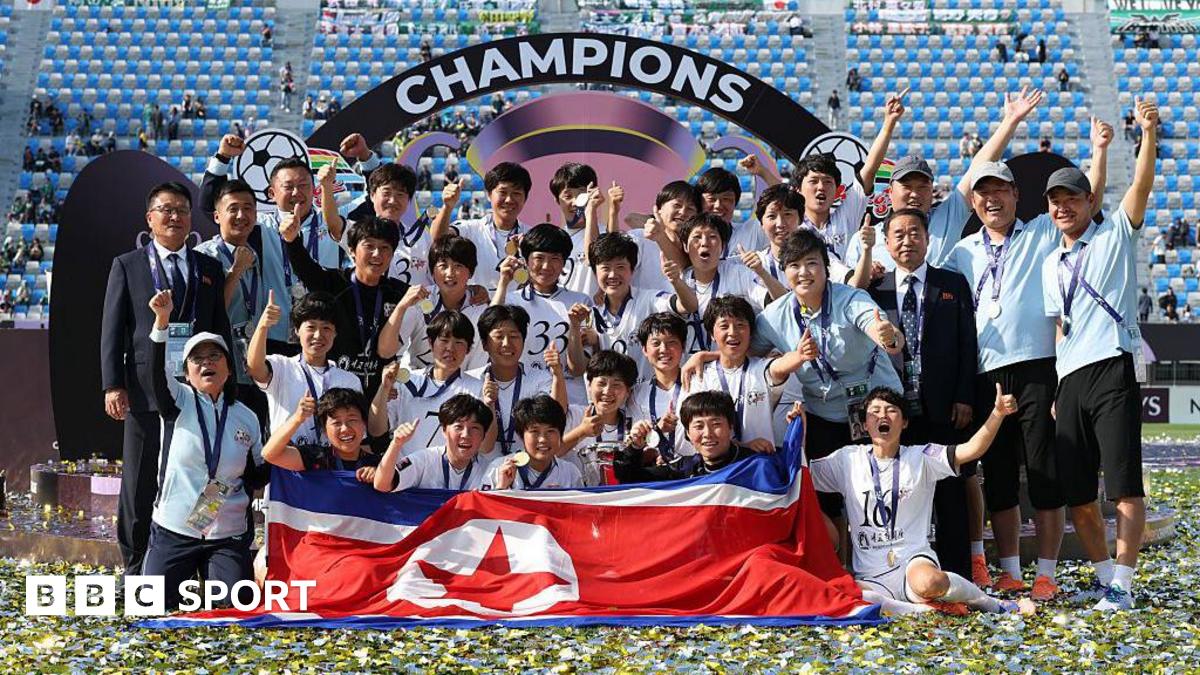
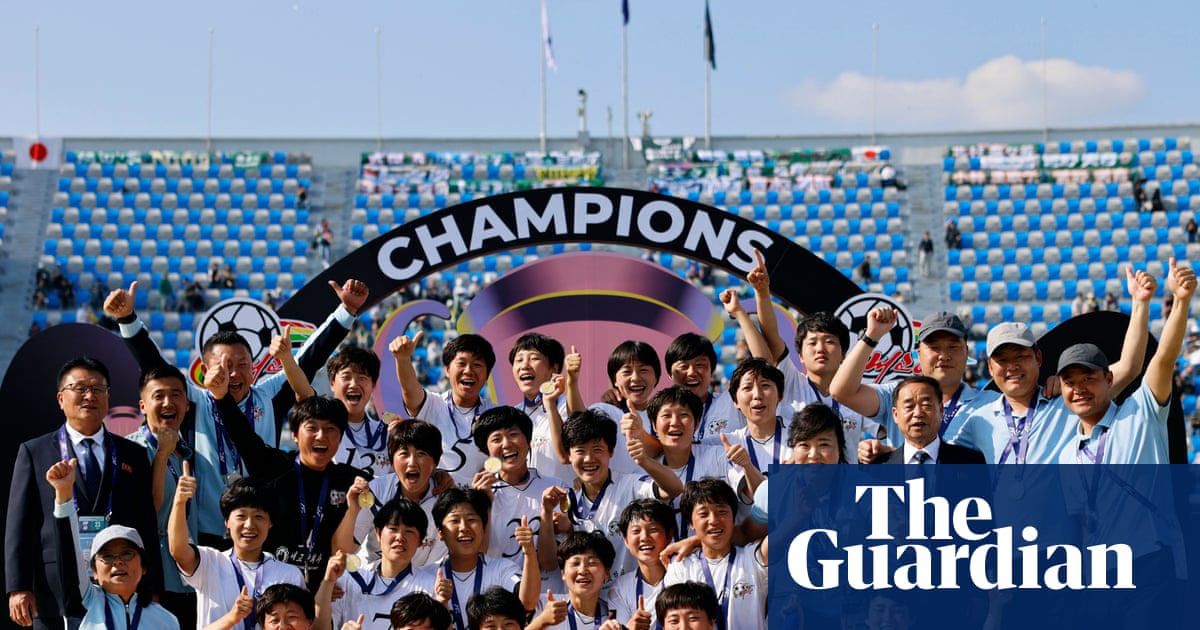
It was Naegohyang FC who walked away with the trophy, capping off a remarkable, highly charged tournament in South Korea. The only goal of the match came in the 44th minute, a clinical finish from Naegohyang captain Kim Kyong Yong that broke Japanese hearts.
The defeat ends Tokyo Verdy Beleza's dream of adding an Asian crown to their domestic trophy cabinet. More importantly, it highlights the extreme physical toll that this tournament took on the squad. Leading up to the final, the Japanese side was widely viewed as the favorite, especially after their dominant run in the group stage.
They had already beaten Naegohyang FC 4-0 earlier in the competition. But today in Suwon, the physical disparity was obvious from the opening whistle.
As The Guardian reported, the historic triumph for Naegohyang FC capped off an emotional and politically charged trip across the border. It was the first time a North Korean team visited the South for a sports event in eight years, since the PyeongChang Winter Games in 2018. The tournament was a grueling test of endurance, and the physical tax of playing high-intensity games in rapid succession finally caught up with the Japanese side.
Under the Hood: The Injuries and Fatigue that Sapped Tokyo Verdy Beleza
Following the match, Nippon TV Tokyo Verdy Beleza head coach Naoki Kusunose did not hide the physical challenges his squad faced. He confirmed that multiple key players were playing through significant pain and carrying injuries. The heavy schedule of the competition, combined with domestic commitments, left the squad depleted.
Kusunose admitted that several players required intensive medical treatment just to get on the pitch today. The accumulation of minor strains, muscle fatigue, and knocks from the semifinal took their toll.
The semifinal match against Melbourne City on May 20, 2026, was a particularly brutal affair. Tokyo Verdy Beleza secured a 3-1 victory, but the cost was high. Midfield general Yuzuho Shiokoshi scored two goals in that match but spent the final fifteen minutes visibly struggling with a thigh issue.
Defender Tomoko Muramatsu also required medical attention on the pitch after a heavy collision. These physical setbacks meant Beleza entered the final with a compromised starting eleven.
The expected timeline for full recovery for these players stretches into the summer. With the domestic WE League schedule resuming, the medical staff faces a race against time. The physical strain of this tournament has raised questions about player rotation and squad depth.
Elite athletes cannot sustain peak performance when asked to play three high-stakes matches in less than ten days while carrying soft-tissue strains. The medical team will now conduct MRI scans on at least three starting players to determine the extent of muscle damage.
This is not a new problem for Japanese clubs competing on the continental stage. Historically, J-League and WE League clubs have struggled to balance domestic league pressure with AFC travel and scheduling. We saw similar physical drop-offs in the 2024 J-League campaign when Yokohama F. Marinos suffered a late-season collapse due to fixture congestion.
The lack of recovery windows between travel, training, and matches is a systemic issue that continues to claim casualties. Until the football federations address this scheduling overlap, elite players will continue to pay the price on the pitch.
Tactical Failure: Where Coach Naoki Kusunose Got It Wrong
While physical fatigue is a convenient excuse, tactical inflexibility also doomed Nippon TV Tokyo Verdy Beleza. Coach Naoki Kusunose failed to adapt his game plan to accommodate his players' physical limitations. Instead of adopting a more conservative, possession-based approach to conserve energy, he insisted on their high-tempo, attacking style.
This played directly into the hands of the highly disciplined, counter-attacking North Korean side. Naegohyang FC sat deep, soaked up the pressure, and waited for the inevitable physical drop-off.
That drop-off arrived late in the first half. In the 44th minute, Jong Kum found space on the wing and delivered a precise pass to Kim Kyong Yong. The Naegohyang captain finished with a right-footed strike past the helpless goalkeeper.
It was a classic counter-attacking goal that exposed Beleza's slow defensive transition. The lack of recovery speed from the central defenders was a direct consequence of the fatigue they had been carrying since the semifinal.
In the second half, Kusunose's substitutions failed to change the momentum. Bringing on young, inexperienced players into a high-pressure final did little to unlock the stubborn North Korean defense. The starting eleven was clearly exhausted, yet the tactical adjustments were virtually non-existent.
The team continued to pump hopeful crosses into the box, which were easily cleared by Naegohyang's tall defenders. It was a disappointing tactical showing from a coach who usually prides himself on technical superiority.
Naegohyang coach Ri Yu-il had spent the buildup to the final defending his team's playstyle. Opposing teams had criticized Naegohyang's approach as overly aggressive. Ri dismissed those claims, stating that his team played strictly within the rules and that his priority was keeping all players healthy.
Today, his physical, disciplined low-block proved too much for the fatigued Japanese attack. The contrast in energy levels between the two sides in the final thirty minutes was stark.
Broad Industry Impact and the $1 Million Prize Money Complication
The outcome of this final reverberates far beyond the pitch. By claiming the inaugural AFC Women's Champions League crown, Naegohyang FC has established North Korea as a dominant force in Asian women's club football. The achievement secures them a coveted spot in next year's FIFA Women's Champions Cup.
This raises the competitive bar for clubs across Japan, South Korea, and Australia, who must now find ways to match the physical intensity and defensive discipline of the North Korean champions. Tactical elegance is no longer enough when faced with a team that can outrun and outfight you for ninety minutes.
However, the victory is clouded by a major financial controversy. The tournament champions are entitled to a $1 million cash prize. But international sanctions against North Korea make the transfer of these funds highly complicated.
Financial institutions and football governing bodies are currently scrambling to find a legal pathway to distribute the prize money. If the funds are frozen, it could spark a diplomatic dispute within the Asian Football Confederation, adding a layer of political tension to a historic sporting achievement.
For Nippon TV Tokyo Verdy Beleza, the fallout from this defeat will be felt domestically. Their primary competitors in the WE League, including Urawa Reds Ladies and INAC Kobe Leonessa, will look to exploit any physical hangover.
Beleza's medical staff must manage the squad's recovery carefully to avoid a domestic slump. The strategic implication is clear: clubs must invest more heavily in sports science, recovery protocols, and squad rotation if they want to compete on multiple fronts.