A Physical Mismatch from the Opening Whistle
The away supporters made all the noise from the opening whistle. A blue sky opened up over the stadium for this highly anticipated Manchester derby. But the idyllic weather completely masked the brutal physical reality on the pitch.
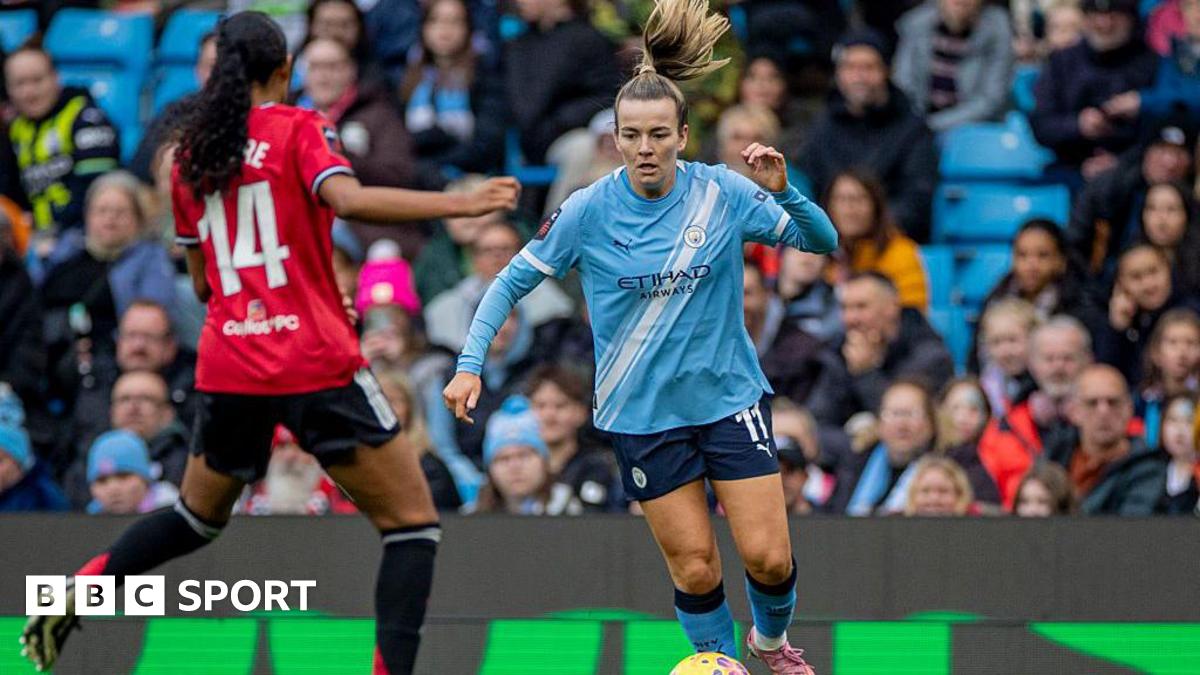
Manchester City dismantled Manchester United 3-0 in a match that looked less like a tactical chess match and more like a physical submission.
This was not just a defeat. It was a complete breakdown of squad conditioning.
The final scoreline reflects a glaring disparity in match fitness, sharpness, and raw running power between the two squads. United simply could not keep up.
As a fitness analyst, you look for the early warning signs. They were visible immediately. United players were second to loose balls. Their reaction times lagged. The explosive first step required to break lines or shut down passing lanes simply was not there.
Before kickoff, the narrative centered around the schedule. A glut of derbies was cited as a potential diluting effect on the quality of the football. But the dilution was entirely one-sided. City thrived while United wilted.
The Medical Cost of Congestion
When the schedule congests, the medical staff becomes the most important unit at a football club. Players are forced into a relentless cycle of performance and recovery. There is no time for deep tactical work on the training ground. It is all about managing load.
United's load management clearly failed them here. While there were no immediate reports of a catastrophic ACL tear or a ruptured Achilles, the entire squad looked entirely stuck in the red zone. They are suffering from chronic fatigue.
Let’s break down the medical reality of what happens to a fatigued team chasing the ball against a technically superior opponent. Football is an interval sport. It requires brief, maximal sprints followed by active recovery.
When a player is carrying heavy legs, their ability to perform repeated high-speed runs plummets. Lactic acid clears slower. Muscle fibers do not fire with the same synchronization. This leads to a half-yard deficit in every physical duel.
In a derby, that half-yard is fatal. It means a defender lunges instead of stepping. It means a midfielder arrives late to a tackle. Over 90 minutes, those fractional physical deficits accumulate into a severe battering.
City exploited this brilliantly. They manipulated the ball and forced United into continuous, reactive movements. Reactive running is inherently more exhausting than proactive running.
When you dictate the play, you control the tempo. When you chase the game, your central nervous system takes a severe beating. United spent the afternoon reacting, draining their physiological reserves even further.
Tactical Breakdown Through Exhaustion
The medical department now faces a nightmare scenario. The squad is completely drained, and the fixture list offers zero sympathy.
We have to evaluate the acute-to-chronic workload ratio. This metric tracks the short-term training load against the long-term baseline. When the acute load spikes drastically above the chronic base, the risk of soft tissue injuries skyrockets.
United are sitting squarely in that danger zone. The hamstring is particularly vulnerable in these conditions. When the quadriceps fatigue, the hamstrings have to work harder to decelerate the leg during sprinting. That is exactly when a tear happens.
Every sprint United made in the second half of this loss carried a massive risk. The medical staff must have been holding their breath on the touchline.
The short-term timeline for recovery from a match like this is aggressive. The players will need immediate interventions. Ice baths, compression garments, and strict nutritional protocols are non-negotiable.
Sleep is the greatest recovery tool available. But adrenaline and the psychological sting of a heavy derby defeat disrupt sleep patterns. Cortisol levels remain elevated. The body stays in a state of stress, delaying muscle repair.
The Day-By-Day Recovery Protocol
The immediate aftermath of a high-exertion loss requires a rigid timeline. Let’s look at what the next 72 hours demand from the medical staff.
Within the first two hours, the focus is entirely on stopping the inflammatory response. Players will consume high-carbohydrate recovery shakes immediately in the dressing room. Glycogen stores are completely depleted. The body needs fuel instantly to prevent muscle catabolism.
By tomorrow morning, the reality of delayed onset muscle soreness will set in. Players will report to the training ground for assessment.
The medical team will use subjective wellness questionnaires and objective markers like jump-mat tests to measure central nervous system fatigue. If a player’s counter-movement jump is significantly lower than their baseline, they are in the red zone.
There will be no ball work for the starters. The day consists of light cycle work to flush lactic acid, massage therapy, and stretching.
Day two post-match is historically the most dangerous. The soreness peaks. This is when the soft tissue is most vulnerable to tearing.
If United have a midweek fixture, this day-two vulnerability becomes a massive tactical hurdle. The manager cannot drill the team at high intensity. Walk-throughs and video sessions replace physical repetition.
This lack of on-pitch tactical preparation was evident against City. You could see the hesitation. When players are forced to learn shapes and pressing triggers on a whiteboard instead of the grass, the execution is always a fraction of a second slow.
Short-Term Fixes and Long-Term Reality
Looking ahead to the next one to three weeks, the manager's hands are tied. Rotation is no longer a luxury. It is a medical necessity. If the same starting lineup is deployed in the next fixture, the physical breakdown will manifest as severe muscular injuries.
This creates a vicious cycle. You rotate to protect fatigued players, but your overall team quality drops. You drop points, the pressure mounts, and the temptation to rush players back increases.
City, conversely, are flying. They are the league leaders and they look the part physically. Winning is a phenomenal fatigue-masker. Endorphins and confidence speed up the perception of recovery.
Their physical data will look completely different tomorrow morning. They controlled the game, conserved energy where possible, and avoided the desperate, high-exertion recovery sprints that plagued United.
The long-term implications for United require serious scrutiny. Roster depth is not just about having technically gifted players on the bench. It is about having athletes who can absorb minutes without dropping the physical standard.
When your starting core cannot complete 90 minutes of high-intensity football in late March, your squad building is flawed. The recruitment team must prioritize physical robustness in the summer window.
Tactically, United will have to adjust. They cannot employ a high press in their next match. The medical data simply will not support it. They will have to sit deeper, condense the space, and try to survive on the counter.
The lack of a specific, localized injury today is a miracle. Nobody was stretchered off. Nobody clutched a hamstring and signaled to the bench.
But do not mistake the lack of an acute injury for a clean bill of health. The entire squad is damaged. They are collectively suffering from a severe deficit in match fitness and explosive power.
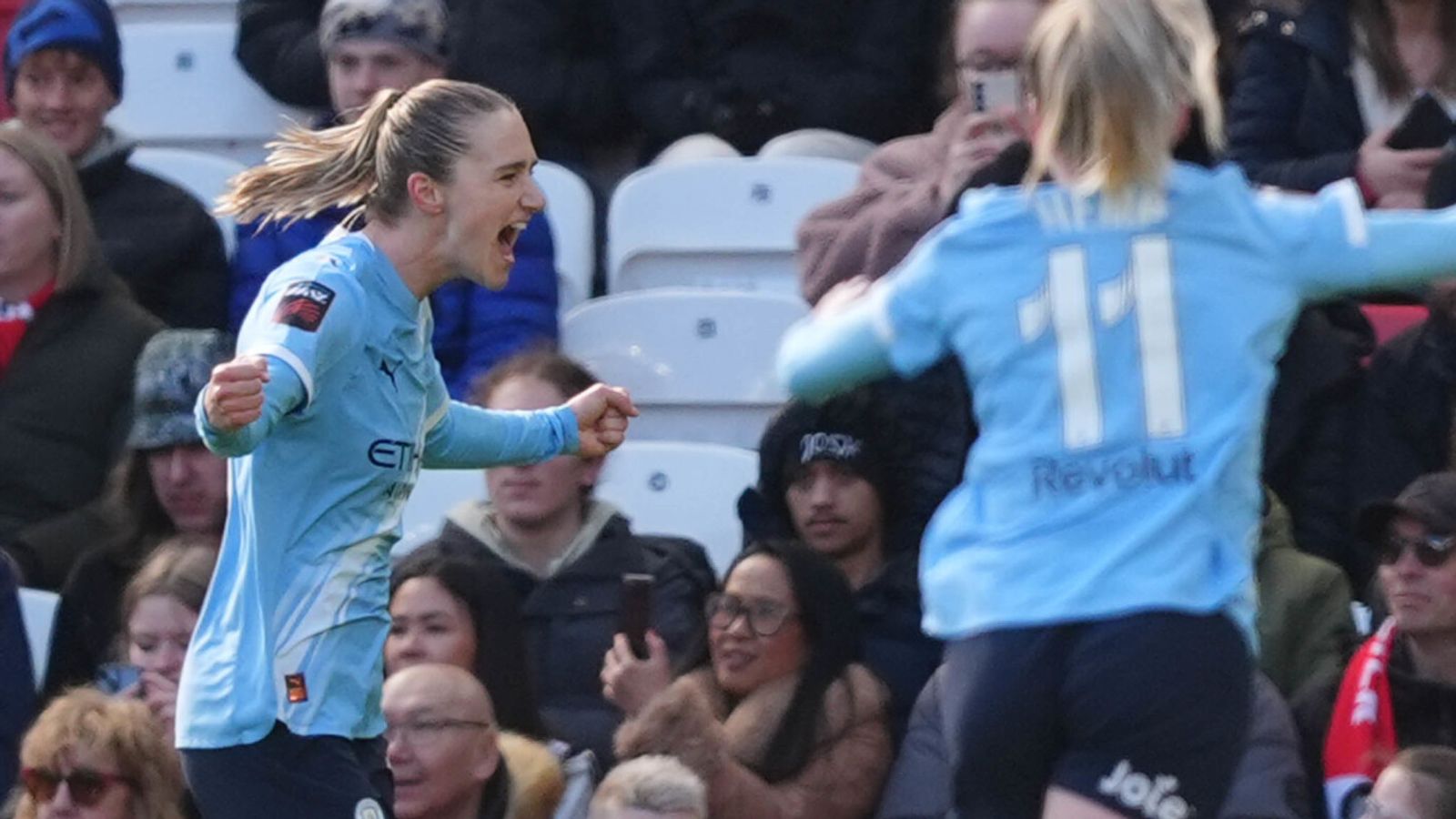
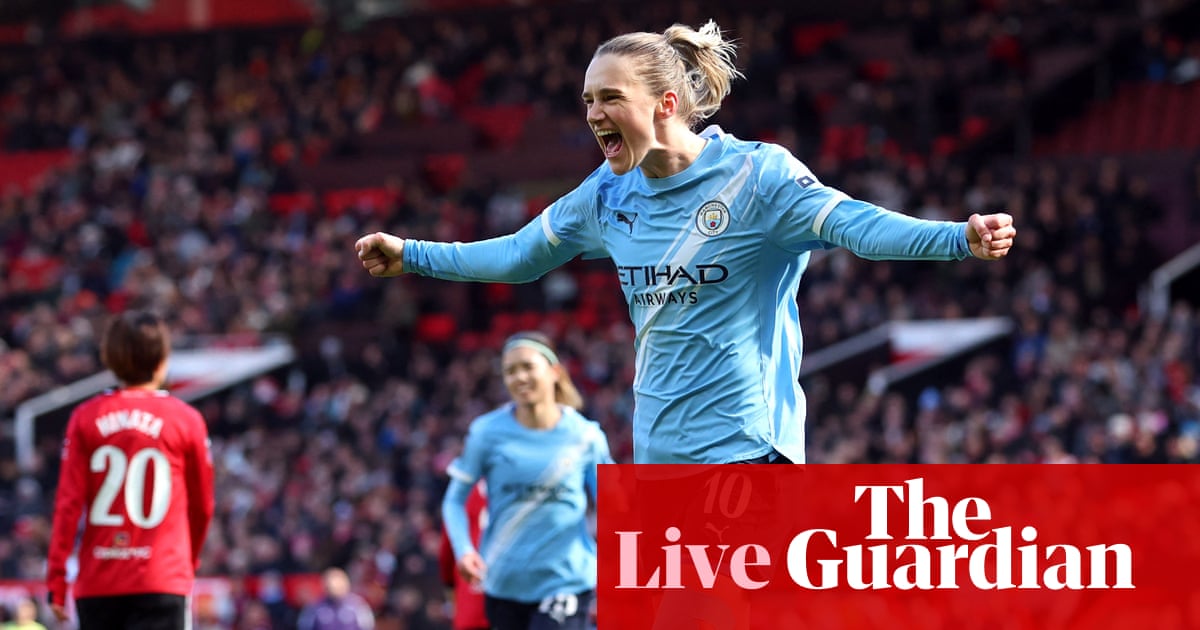
As reported live from the stadium, the away supporters enjoyed every minute. City walked away with three points, a clean sheet, and their physical supremacy entirely intact. They are conditioned for the business end of the season.
United walked away battered. They face a grueling recovery process. The upcoming matches will test their resilience, their depth, and above all, their medical department.
Read Next
- City's 3-0 derby demolition exposes United's tactical void
- Man City are five points from the WSL title and fans are losing their minds
- Man City are five points from the WSL title and the math is terrifying
- Why Manchester City are primed to dismantle United in the WSL derby
- 🏆 Europa League Final 2026 — Full Coverage Hub