The VAR drama is coming for your blood pressure
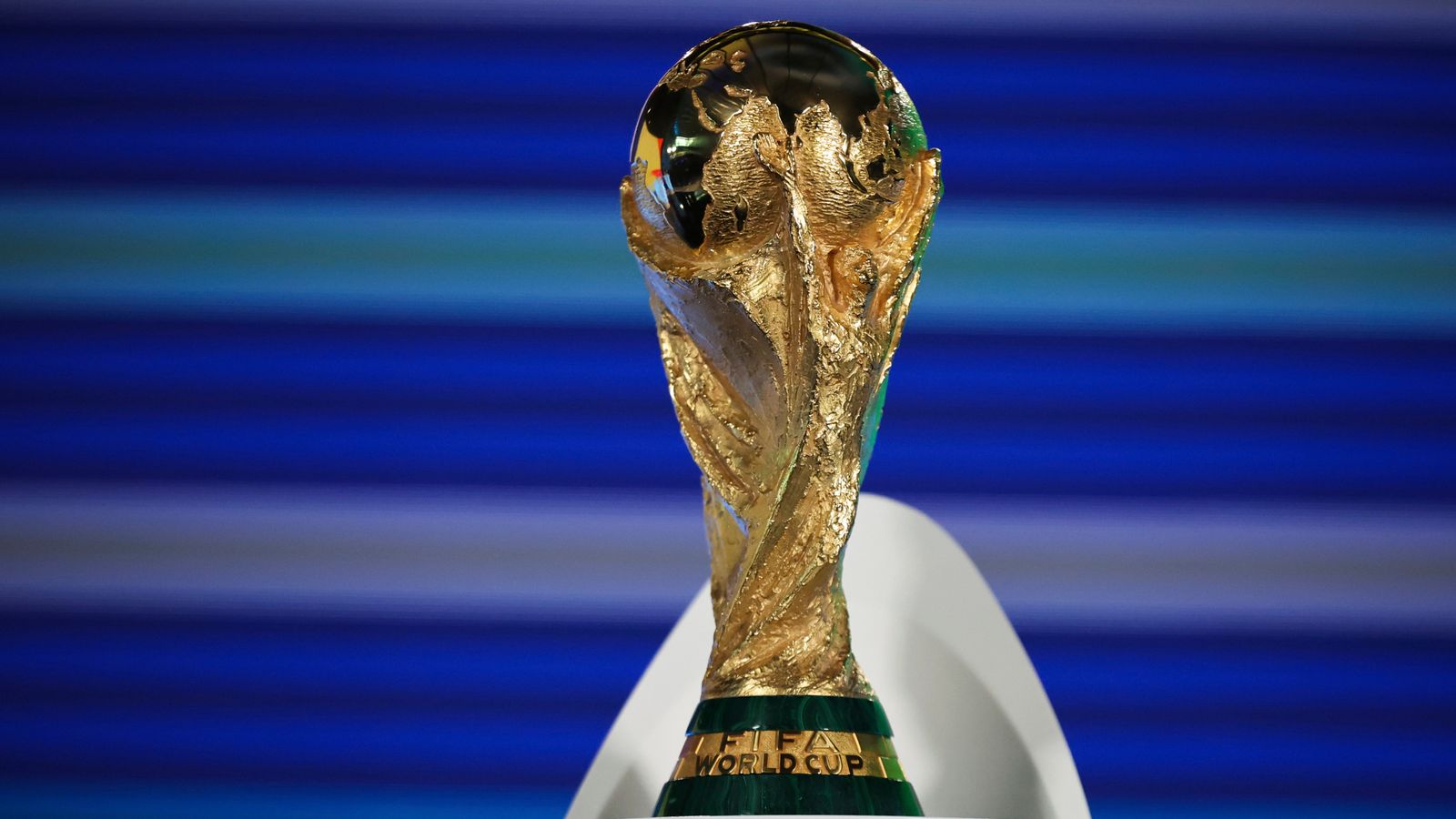
As of 9:00 AM today, June 11, 2026, we are officially in the thick of the World Cup. FIFA decided that simply playing the game wasn't enough, so they rolled out a batch of mid-tournament rule meddling that makes the average local league referee look like a constitutional scholar.
The biggest headache arriving with the opening match is the shift in how video reviews operate. Officials are now empowered to implement a heat break at their discretion if wet-bulb temperatures exceed certain thresholds. It sounds like a safety feature on paper, but we know how this goes. Expect 15-minute stoppages during the final 20 minutes when the score is locked in a draw.
Substitutions and the throw-in disaster
FIFA is letting managers burn through five substitutions, which is fine if you're coaching a squad with depth. However, they are also introducing a tactical change to throw-ins that feels like it was cooked up by a boardroom exec who hasn't stepped on a pitch since 1994. Under the new guidelines, players have 60 seconds to restart play from the touchline.
We are going to see a complete collapse of game flow. A full minute is an eternity in professional football. It gives defenders time to grab a water bottle, set a defensive line, and recite their memoirs while the attacker stands there holding a ball like a lost tourist.
The officiating standards remain a mystery
The latest adjustments to VAR protocols are supposed to shave off wasted time, but they seem destined to inflate it. Officials are encouraged to focus on 'clear and obvious' technical errors rather than micro-managing offside calls by millimeters. Yet, we have seen this script before. The VAR booth has a gravitational pull toward controversy that no amount of written policy can fix.
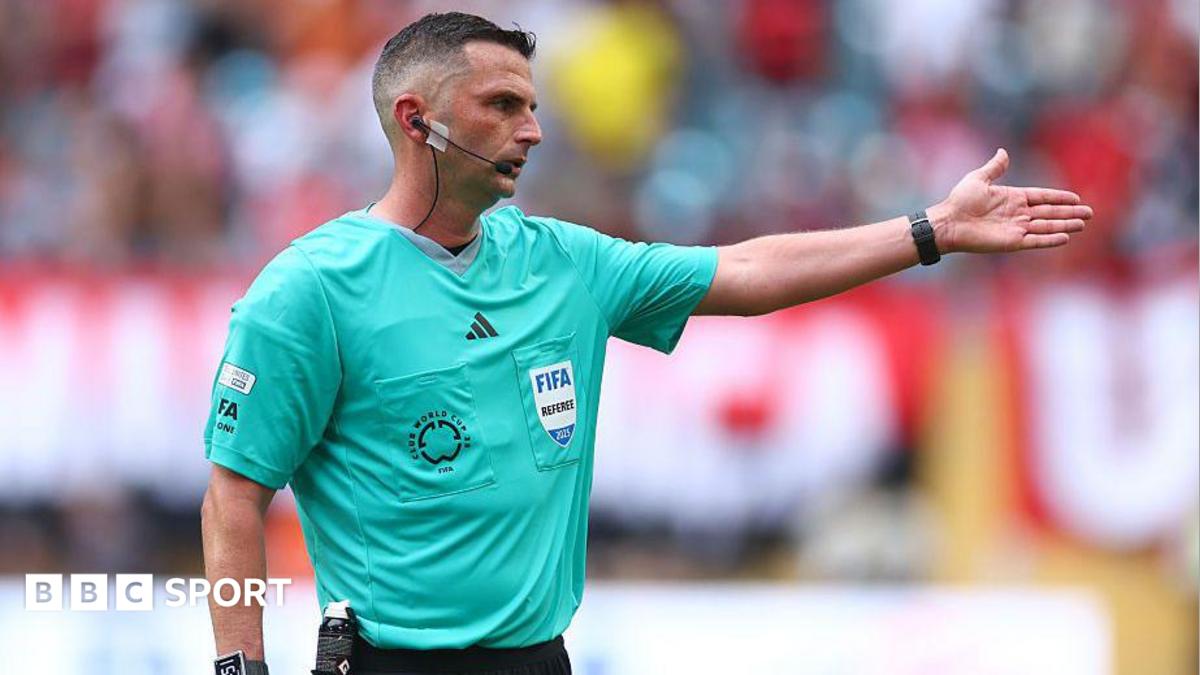
If you thought the constant checking of boot laces and armpits for offside was annoying, wait until you see the arguments over the new restart timer. It is a recipe for disaster. The referee has to manually track the sixty-second window, which is just another point of failure in a system already struggling with basic competence.
The unintended consequences of rapid change
These rule adjustments serve as a weird attempt to modernize a product that isn't actually broken. You do not need to turn football into a stop-start spectacle to keep an audience engaged. The tension in a match comes from the flow, the buildup, and the occasional mistake by an official who is actually on the field.
Removing the human element in favor of a stopwatch-happy referee is a mistake. By the 88th minute of a high-stakes match, that minute-long clock for throw-ins will become the most toxic element in the stadium. It invites gamesmanship in a way that will inevitably backfire on the sport's reputation.
We also need to talk about the physical toll on players in these massive stadiums. The heat breaks might be a medical requirement, but they are a tactical death sentence for teams building momentum. A team pressing for a winner after an 80th minute substitution should not have their rhythm sliced open because the weather app triggered a corporate mandate.
This isn't just about the mechanics of the game. It is about whether FIFA understands its own product. They are prioritizing speed of rules over the reality of the 90 minutes. I am fully prepared for the first game to descend into a bizarre standoff where a player clocks out a full minute for a throw-in, only for the ref to blow the whistle for a violation that didn't exist three weeks ago.
Good luck to the squads navigating this. You aren't just playing the opponent anymore; you are playing against a bureaucracy that seems to hate the rhythm of its own game. I'll be watching from the stands, but I'm bringing a stopwatch, and I suggest you do the same. This 2026 tournament is going to be a wild, messy, beautiful disaster.
Read Next