The screaming stops and the numbers speak
I spend an unhealthy amount of my life yelling about football. I yell about ridiculous ticket prices. I yell about half-and-half scarves. I yell about modern managers wearing cardigans on the touchline instead of proper tracksuits. I yell about holding midfielders who absolutely refuse to pass the ball forward. But most of all, I yell about VAR. And finally, someone has proven that I am not just a crazy bloke screaming into his pint glass at the local.
The Guardian just dropped a survey that validates every single rant I've had in the pub since this miserable technology was introduced. The numbers are staggering. A massive 91 percent of fans believe football is better off without VAR. Let that sink in for a moment. You cannot get 91 percent of football fans to agree that the sky is blue. If you asked football fans if grass is green, at least 15 percent would argue it's actually a shade of emerald just to be difficult.
But on this? We are united.
We are united in our absolute disgust for a system that has sucked the soul out of the sport we love. The survey also found that 81 percent prefer watching games without video technology. That is an overwhelming majority. That is a clear, undeniable mandate for change.
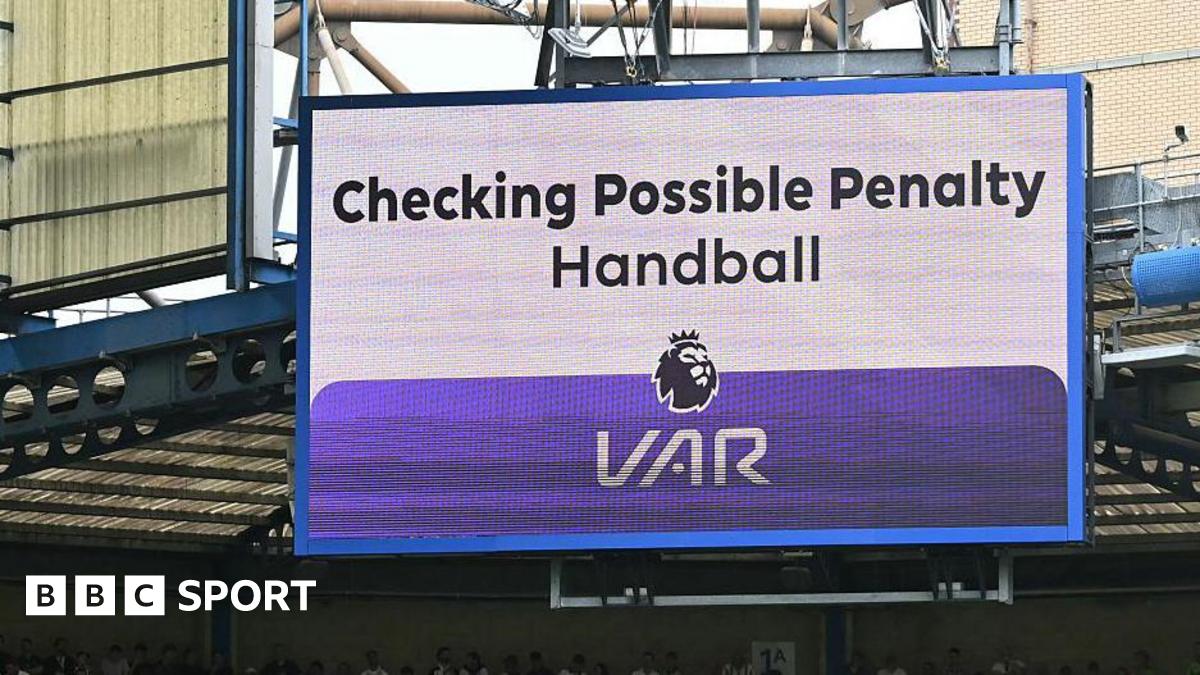
And yet, here we are, still waiting three minutes for a bloke in a business park to decide if a striker's armpit hair was offside.
The death of the immediate celebration
Let me take you back to a time before the screens. A simpler time. A time when a ball hit the back of the net and you absolutely lost your mind.
You didn't think. You just reacted. You spilled your pint. You hugged a bloke named Dave who you only know from block 114. You ended up three rows forward with a bruised shin and a massive smile on your face. That was the drug. That immediate, unadulterated release of pure emotion is exactly why we pay stupid money to stand in the freezing rain on a Tuesday night.
VAR murdered that feeling in broad daylight.
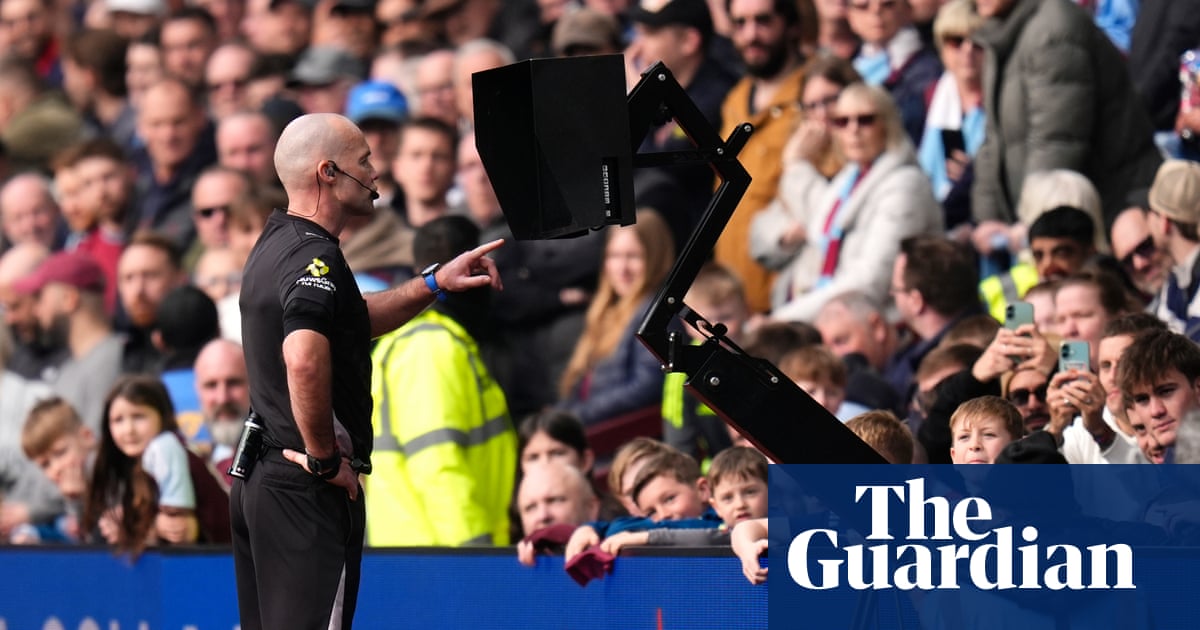
Now, a goal goes in. The net bulges. The crowd roars. But then, the collective intake of breath. The hesitation. You look down at the pitch. The referee is standing there, finger pressed to his ear like a bad secret service agent. The players stop celebrating. The captain is arguing.
The joy completely drains out of the stadium. The away fans start jeering. The home fans stand around with their hands in their pockets. We wait. And we wait. And we wait some more.
You are no longer a football fan experiencing a moment of magic. You are an auditor waiting for an accounting discrepancy to be resolved. It is absolutely miserable.
Who on earth are the two percent?
The most fascinating part of the report isn't the massive majority who hate VAR. It is the tiny, bizarre minority who actually like it.
According to the numbers, just 2 percent thought VAR 'makes football more enjoyable'. I am genuinely desperate to meet these people. Who are they?
Are they referees' mums? Are they geometry enthusiasts who just love seeing poorly drawn lines on a television screen? Are they sadomasochists? I refuse to believe that any genuine, match-going fan finds joy in a four-minute delay for a marginal handball call.
Football is a game of passion, pace, and momentum. It is chaotic. It is flawed. It is entirely human. VAR tries to turn it into a courtroom drama, but without any of the actual drama. Just the boring procedural bits.
If you are part of that two percent, please, go watch cricket. Go watch tennis. Leave our beautiful, messy game alone.
The clear and obvious lie
We were sold a complete lie when they brought this nonsense in. They told us it was only for clear and obvious errors.
They said it would stop the outrageous cheating. They promised us it would only intervene when a referee had made an absolute howling mistake that everyone in the stadium could see from row Z. They said the Thierry Henry handballs would be a thing of the past.
That was the pitch. And we bought it. We thought, fine, if it stops my team getting relegated because of a phantom penalty, I can live with a minor delay.
But the mission creep was real and it was rapid. It didn't stop at clear and obvious. Suddenly, we were forensically examining every single phase of play.
We are scrubbing through footage frame by frame to see if a defender's trailing boot slightly grazed an attacker's shin guard three passes before the goal was actually scored. We are trying to determine intent in a sport played at a hundred miles an hour by athletes moving faster than the human eye can process.
It is absurd. The referees on the pitch have lost all their authority. They are terrified to make a firm decision. They just let play go on, knowing that the video room will either bail them out or throw them under the bus three minutes later.
The players hate it too
It isn't just the fans in the stands who are suffering. Look at the players. Look at how they react when they score a goal now.
Ten years ago, a striker hits a thirty-yard screamer into the top corner and he is instantly sprinting to the corner flag. He is ripping his shirt off. He is sliding on his knees while his teammates pile on top of him. It was pure, unadulterated adrenaline.
Watch a striker score today. He puts the ball in the net. He immediately looks over his shoulder at the linesman. He jogs half-heartedly towards the corner flag with one finger pointing at the sky, while scanning the referee's face to see if he is blowing the whistle. He does a muted little fist pump. He knows that celebrating too hard is a massive risk.
Why bother going mental if some invisible overlord in a bunker at Stockley Park is going to rule it out two minutes later because the left winger's big toe was offside during the build-up? The players have been conditioned to suppress their joy. They have been trained like Pavlov's dogs to wait for the technological bell to ring before they are allowed to feel happy.
The illusion of objective truth
The biggest joke of all is that VAR isn't even perfectly accurate. They promised us objectivity, but they delivered a different kind of subjectivity entirely.
They draw these thick, arbitrary lines on the screen to determine offsides. But anyone with half a brain knows that the frame rate of the broadcasting cameras isn't fast enough to capture the exact millisecond the ball leaves the passer's foot.
You are guessing. You are guessing with technology, which somehow makes the guessing even more infuriating than when a human linesman just flags because he thought he saw something.
When a human makes a mistake, you can accept it as part of the game. A bad angle, a blink of an eye, a blocked view. We hate it, but we understand it.
When a multi-million pound technology system spends three minutes reviewing a play and still gets it wrong? That breeds a special kind of toxic resentment that is actively ruining the relationship between fans and the sport.
The absolute failure of implementation
Look, I am capable of seeing both sides. I know the standard of refereeing has been poor for years. I know the pressure on officials is immense and the scrutiny is relentless. But the implementation of VAR has been a catastrophic failure of management from top to bottom.
The authorities ignored the match-going fan completely. They built a system for television audiences, but even the TV viewers are sick of it now.
They refused to communicate. They treated the paying customers like an absolute inconvenience.
That is my biggest criticism of the governing bodies in all this. The sheer, unadulterated arrogance.
They assumed we would just swallow whatever sterile, sanitized product they fed us. They forgot that the fans are the lifeblood of the spectacle. Without the noise, the passion, and the immediate visceral reactions, football is just twenty-two millionaires running around a patch of grass in complete silence.
The death of the pub debate
They also told us that VAR would end the arguments. They said it would bring clarity to Monday mornings in the office and Sunday afternoons in the pub.
What an absolute joke that turned out to be. We argue more now than we ever did. But instead of arguing about whether a tackle was a red card, we are arguing about the definition of the t-shirt line on a player's arm. We are arguing about the frames per second of broadcasting cameras. We are arguing about the subjective interpretation of 'deliberate' hand movements.
I don't want to talk about geometry over a pint. I don't want to discuss the biomechanics of a defender's jump. I want to argue about whether the referee is blind or just incompetent. That was the fun part. The arguments used to be about football. Now, the arguments are about the rulebook and the technology.
A mandate for the bin
So, where do we go from here? The numbers published by The Guardian are out there now. 91 percent is not a margin of error. It is a deafening roar.
You cannot run a sport when nine out of ten of your core consumers actively despise a major component of the game. It is completely unsustainable. The product is bleeding out.
There needs to be a massive overhaul. I don't mean tweaking the offside lines. I don't mean changing the wording of the handball rule for the fifteenth time in five years.
Here is what needs to happen if they insist on keeping this zombie technology alive:
- Scrap the forensic offside reviews completely. If it isn't obvious to the naked eye on one replay, the on-field decision stands.
- Put a strict time limit on reviews. One minute max. If you can't see the error in sixty seconds, it isn't clear and obvious.
- Mic up the referees and broadcast their conversations to the stadium and the television audience immediately.
But honestly? Even that might not be enough to save it. The well is poisoned.
I mean tearing the whole system down to the studs and asking a very simple question: does this actually make the game better?
The survey proves what we already knew. The answer, definitively, objectively, and statistically, is a resounding no.
We want our game back. We want our mistakes back. We want our immediate, unthinking, chaotic joy back. Throw VAR in the bin, and let us get back to yelling at the referee the old-fashioned way.