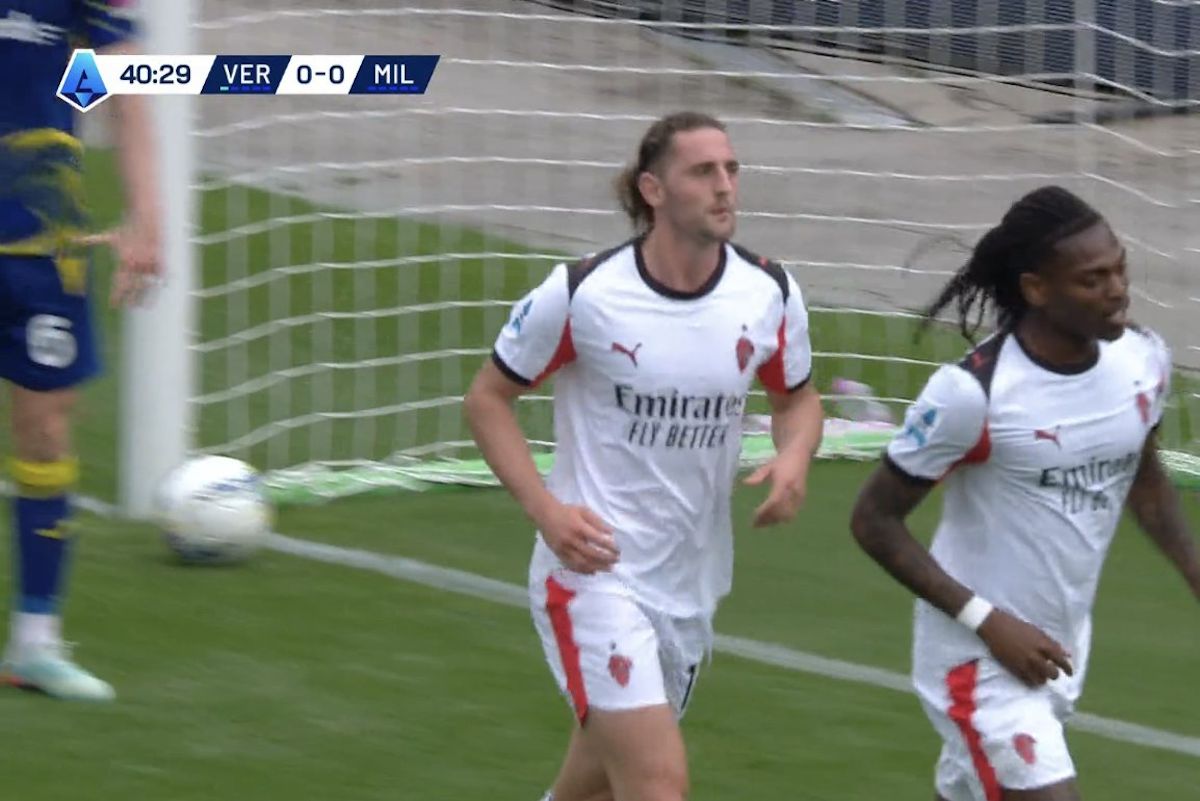
Milan rely on Rabiot as the midfield engine
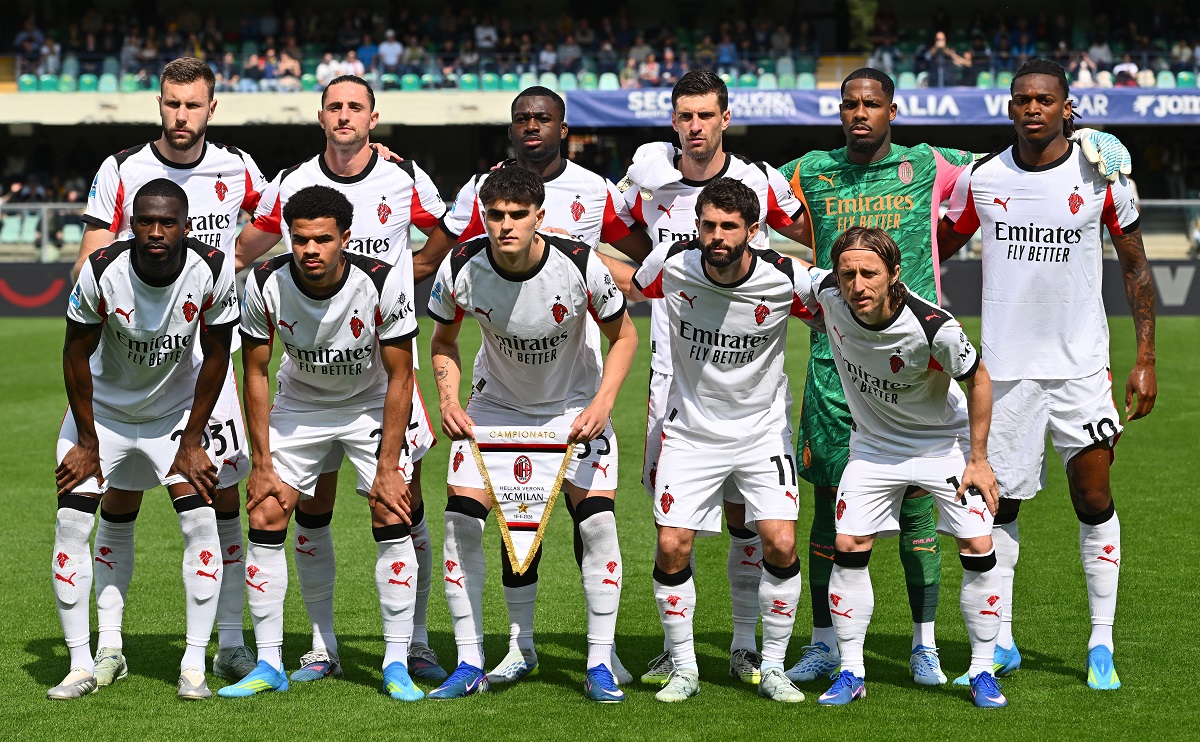
AC Milan left the Stadio Marcantonio Bentegodi with a crucial 0-1 victory, but the post-match mood was far from celebratory. Adrien Rabiot, the architect of the win, spent his media time batting away speculation regarding his future and potential reunions with former managers. It is a strange existence when your most productive midfielder feels compelled to publicly distance himself from the noise immediately after securing three points.
Tactically, the link-up play between Rabiot and Rafael Leao was the only reason Milan didn’t drop points. The goal came from a sequence where Leao drew two defenders wide before sliding the ball into a pocket of space that Rabiot exploited with a well-timed run into the box. As SempreMilan noted, this connection is the spine of their attack currently.
The frustration beneath the surface
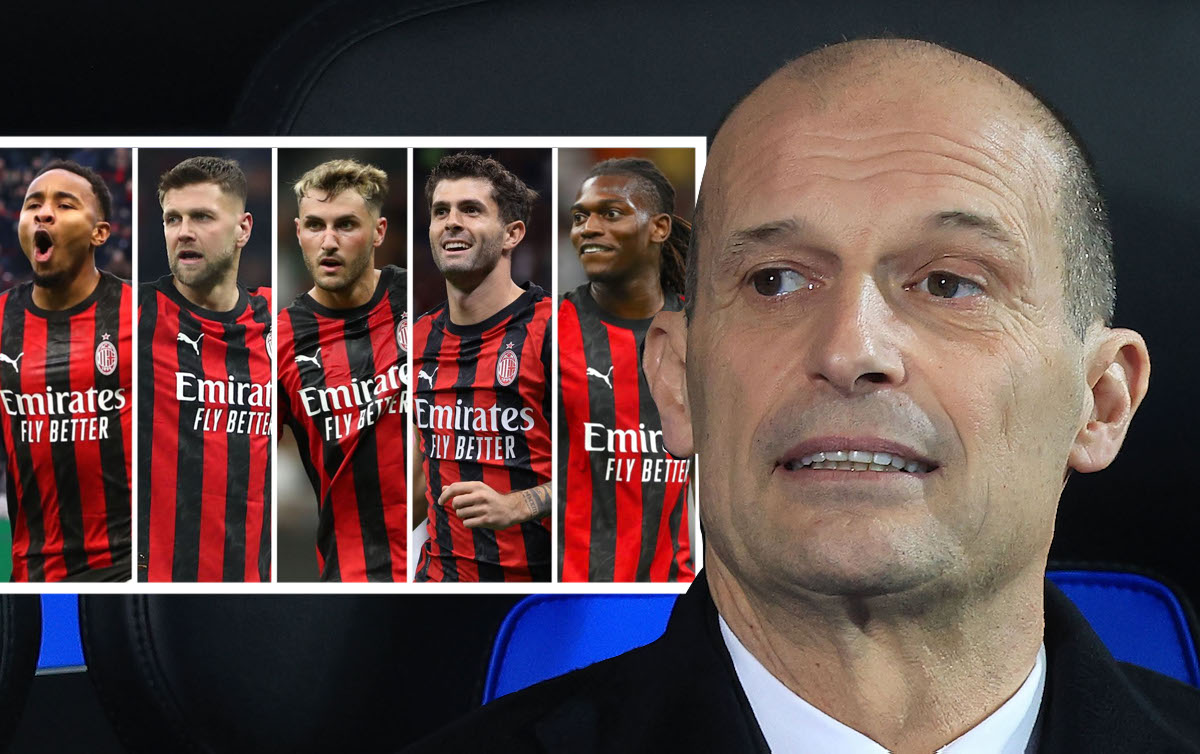
Despite the win, there is an uncomfortable tension at Milan. Rabiot was visibly annoyed after the final whistle, and his refusal to entertain discussions about Massimiliano Allegri suggests a dressing room that is hearing too much chatter. Rabiot dismissed the rumors as not even a question worth answering, yet the mere fact he had to address them reflects a lack of internal stability.
Milan controlled the game in terms of possession, but the defensive transition was shaky. Hellas Verona had several opportunities to break through the high line, especially in the final 20 minutes when the midfield started to drift apart. If they play like this against elite European competition in the upcoming UCL semi-finals, they will be carved open.
The Gunners’ shadow looms large
Meanwhile, the talk of managerial instability isn’t limited to Italy. Over in London, the debate around Mikel Arteta has turned sour. An Arsenal legend recently slammed the sack talk as disrespectful, yet conceded the reality of modern football means the pressure is inevitable if results stagnate. It feels as though both Milan and Arsenal are one bad result away from a full-blown existential crisis.
My prediction for the remainder of this season is that Milan will struggle to maintain this rhythm if their star players stop publicly suppressing their agitation. Rabiot is carrying a heavy load right now, and relying on individual brilliance during offensive transitions is not a sustainable model for success. They are winning games against lower-table opposition on pure talent, but the structural flaws identified in pre-match analysis remain unaddressed.
Look for Milan to stumble in their next away fixture. The reliance on Rabiot to score or create every meaningful chance is a glaring symptom of a team lacking a coherent collective identity. If the locker room noise doesn’t stop, the results will match the dysfunction.
Read Next