Tactical paralysis in Munich
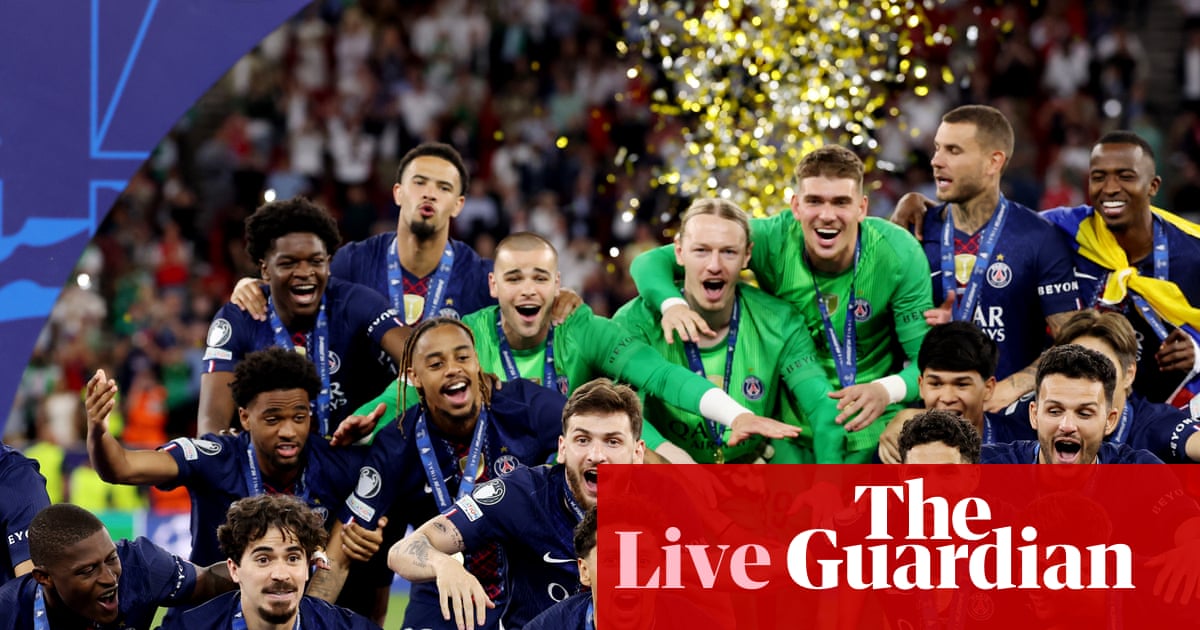
The Champions League final at the Allianz Arena has devolved into a high-stakes game of chicken. Arsenal and PSG are currently mirroring each other's defensive shapes, with both managers terrified of opening the space between the midfield and the defensive line. Mikel Arteta has deployed a low block that drops into a 5-4-1 when PSG rotates their front three.
This caution is reflected in the shot map. Through 75 minutes, the cumulative xG for both sides combined sits at a miserly 0.84. Possession is split 51-49 in favor of PSG, yet neither side has registered a shot on target from inside the central channel of the penalty area. As Sky Sports confirmed in their live coverage, the game is being played almost exclusively between the two defensive thirds.
The midfield vacuum
Why neither side can breakthrough
Arteta’s transition strategy has been suffocated by PSG’s discipline in the double-pivot. Warren Zaire-Emery and Vitinha have managed an interception rate of 82% on attempted through-balls during the second half. This renders Arsenal’s 4-3-3 shape largely ineffective, as Saka and Martinelli are forced to receive the ball with their backs to goal near the touchline. Their pass completion into the final third has dropped to 64%, down from a season average of 78%.
On the opposing side, PSG's reliance on quick vertical switches has been neutralized by Saliba’s positional awareness. He has successfully tracked 90% of runners into the channels, forcing Luis Enrique to keep his full-backs deeper than he would prefer. This lack of overlapping runs has meant PSG’s width is purely ornamental, creating few 1v1 opportunities.
A battle of attrition
The most alarming trend for neutral fans is the sheer frequency of lateral passing. Arsenal have completed 112 passes in their defensive third, compared to just 34 in the attacking third. This 3.3-to-1 ratio indicates that progress is not being sought; it is being avoided. The referee has allowed for a physical game, but the tactical discipline displayed by both midfields has resulted in only 11 fouls recorded.
The counterintuitive finding here is that PSG’s total expected goals remain lower than Arsenal’s, despite PSG controlling the territory 55% of the time in the last fifteen-minute block. Arteta has prioritized total defensive solidity over transition speed, seemingly banking on a set-piece or a singular error. The match has arguably become a test of who blinks first, with both managers currently unwilling to commit their defensive midfielders into the attacking phase.
With only fifteen minutes of regulation remaining, the 0-0 scoreline seems destined to persist into extra time. Arsenal's substitution bench carries more offensive depth, but their introduction would require a fundamental shift in structure that could expose the current defensive rigidity. Should this maintain the current trajectory, we are looking at a penalty shootout in Munich.
Read Next
- Arsenal and PSG collide in Budapest with history on the line
- Arsenal and PSG are colliding in a game of high-stakes chess
- Budapest awaits as Arsenal prepares for the ultimate PSG chess match
- Arsenal and PSG are locked in a tactical stalemate at the Allianz Arena
- ⚽ Ligue 1 2025-26 — PSG, Monaco & the Title Race Hub
- 🏆 UCL Final 2026 — Munich May 28 — Full Coverage Hub