The Incident in Herning
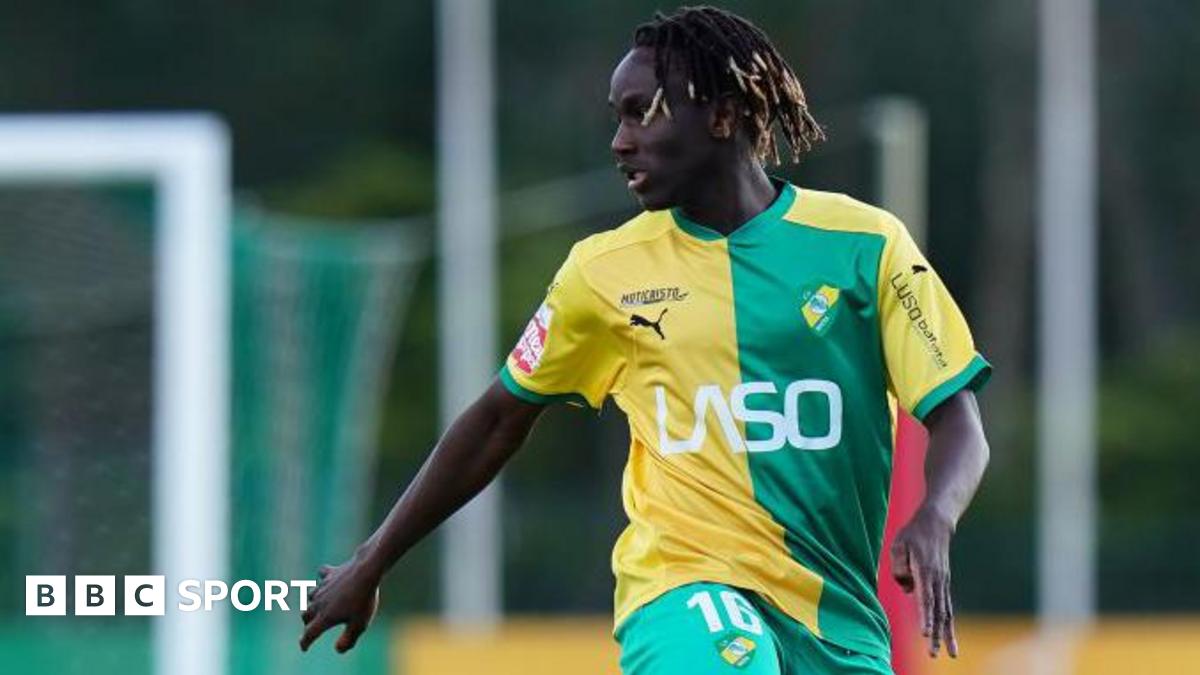
FC Midtjylland midfielder Alamara Djabi is currently hospitalized following a serious stabbing incident in Denmark. The club confirmed the news on Tuesday, sending a ripple of unease through the Danish Superliga. While the details surrounding the location and motive of the attack remain under police investigation, the medical update is the priority. Djabi is reported to be in a stable condition.
Stable is a technical term that provides a small measure of relief but does not mask the severity of the situation. In trauma medicine, a stable patient is one whose vital signs—heart rate, blood pressure, and respiratory function—are consistent. It does not mean the player is out of danger or that his career is intact. The word serious attached to the report suggests significant tissue damage or blood loss occurred before he reached the hospital.
Midtjylland officials have requested privacy for the player and his family as they navigate the immediate aftermath. The timing is brutal for the club. With the Danish season reaching its peak in late April, the loss of a primary squad member to a violent crime is a variable no manager can prepare for. The psychological impact on a tight-knit dressing room in Herning cannot be overstated.
The Medical Reality of Trauma Recovery
Recovering from a stabbing is fundamentally different from a typical footballing injury like an ACL tear or a hamstring strain. Those are controlled failures of the body's mechanics. A stabbing is an unpredictable intrusion of external force. The recovery timeline for Djabi will depend entirely on the depth and location of the wounds.
If the blade penetrated the abdominal wall, surgeons must account for potential organ damage and the risk of peritonitis. This is a life-threatening inflammation of the membrane lining the abdominal cavity. Even if organs were spared, the disruption of core muscle groups is a massive hurdle for a professional athlete. A midfielder relies on rotational power and explosive lateral movement, both of which are anchored in the abdominal and lower back muscles.
Scar tissue is the enemy of the professional athlete. Unlike healthy muscle fibers, scar tissue lacks elasticity. If the injury involved the thoracic region, lung capacity and rib cage mobility become the primary concerns. For a player like Djabi, who covers 10 to 12 kilometers per match, any reduction in respiratory efficiency is a career-altering complication. The medical staff at Midtjylland will be looking at a minimum of six months before any return to contact training is even discussed.
Historical Precedents and Player Safety
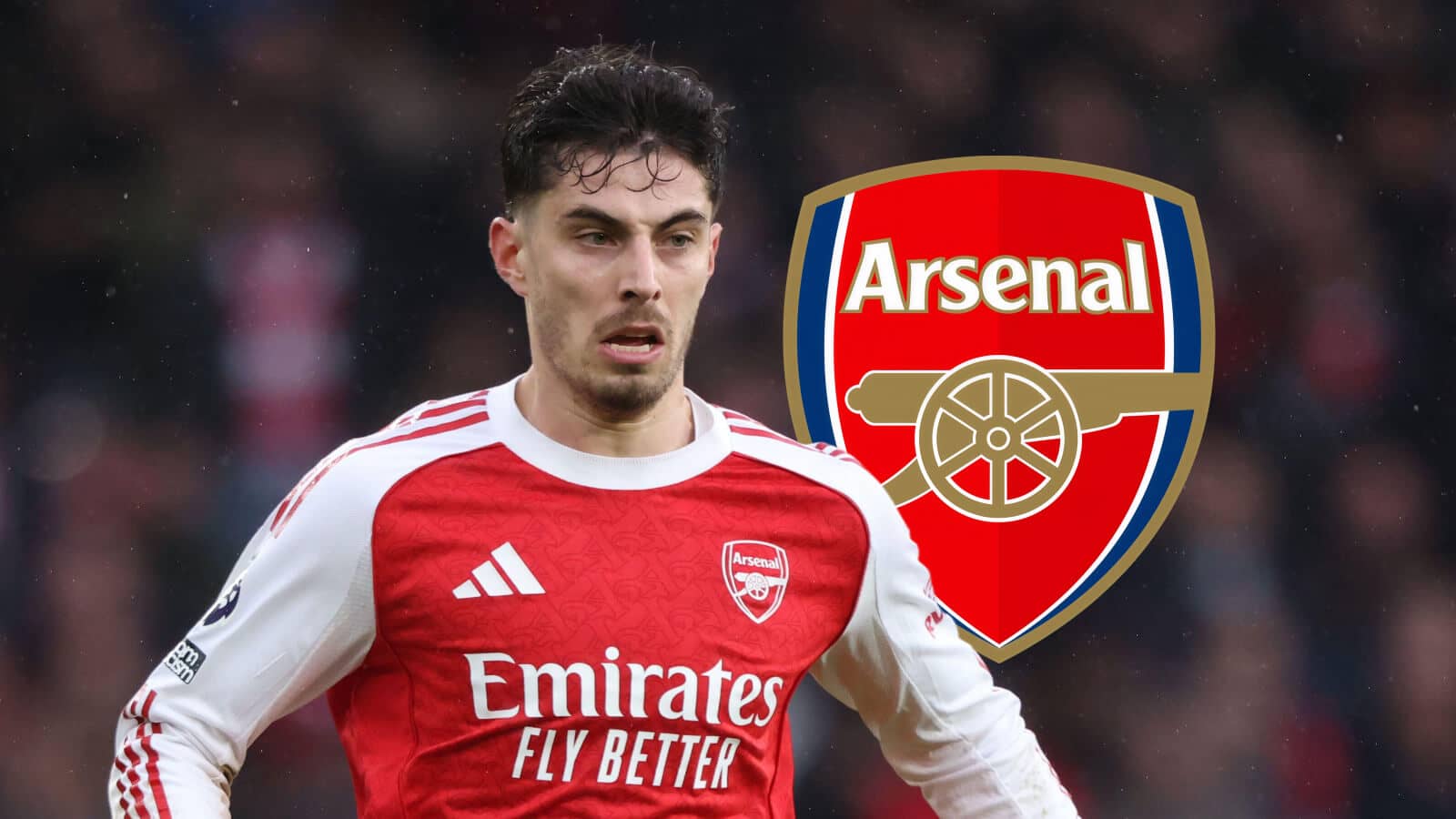
This is not the first time the football world has been forced to confront random violence. In October 2022, Arsenal defender Pablo Mari, who was on loan at Monza, was stabbed in a supermarket in Italy. Mari was one of five people attacked by a lone individual. He underwent surgery to repair two muscles in his back and was incredibly fortunate that the blade missed his lungs and ribs.
"I was lucky. I saw a person die in front of me."
Mari returned to the pitch in roughly three months, a timeline that was considered a minor miracle by the medical community. However, his recovery was aided by the fact that the wound was localized to the back muscles. Djabi’s situation appears more complex given the "serious" classification by the Danish club. The mental recovery often outlasts the physical one. Athletes who survive violent attacks frequently struggle with PTSD and hyper-vigilance in public spaces.
We saw this with tennis legend Monica Seles in 1993. While her physical wounds healed in weeks, the psychological trauma kept her off the tour for over two years. The football industry has largely ignored the need for personal security details for players outside of the world’s most elite stars. This incident in Denmark, traditionally one of the safest countries in Europe, may force a re-evaluation of how clubs protect their assets in their private lives.
Strategic Implications for Midtjylland
On the pitch, Midtjylland is now forced to recalibrate during the most critical month of the year. The club has built its reputation on a data-driven approach to recruitment and tactics. But data cannot account for a stabbing. Djabi’s absence leaves a physical void in the center of the park that will be difficult to fill with the current depth chart.
The Danish Superliga title race is a grueling sprint in the final weeks. Midtjylland currently sits in a position where every point is a necessity to keep pace with FC Copenhagen and Brondby. Losing a player of Djabi’s profile—a midfielder who provides the bridge between the defensive line and the attack—is a tactical nightmare for the coaching staff. They are now forced to rely on younger, less experienced options who have not been tested in high-pressure title-deciders.
There is also the matter of the transfer market. Djabi was a player with significant upside and potential resale value. A serious injury of this nature immediately stalls any career momentum. Scouts who were once tracking his progression will now wait to see if his physical output returns to its pre-injury levels. It is a cold, harsh reality of the business. The financial hit to the club is secondary to the player's health, but it remains a factor in their long-term planning.
The Shadow of Security Lapses
The club has not yet addressed where the incident occurred or if Djabi was targeted. There is a growing concern that footballers are increasingly seen as soft targets for robbery or random acts of violence. In the UK, we have seen a surge in home invasions targeting players while they are on the pitch. This stabbing is a different, more visceral category of threat.
If the attack occurred at a public venue or a team-sanctioned event, the liability issues for Midtjylland would be massive. Most European clubs operate with a "hands-off" approach to a player's free time, but that culture is failing. The 2026 season has already seen several reports of player harassment across the continent. This is the first time it has escalated to this level of physical harm in the Danish top flight.
The industry is watching how Midtjylland handles the fallout. Will they increase security for all first-team players? Will the league mandate new safety protocols for matchdays and training facilities? For now, the focus remains on the hospital in Herning. The road to recovery for Alamara Djabi will be measured in months of rehabilitation and quiet resilience. Football feels very small when a player is fighting for his life in a hospital bed.