The Silence on the South Coast
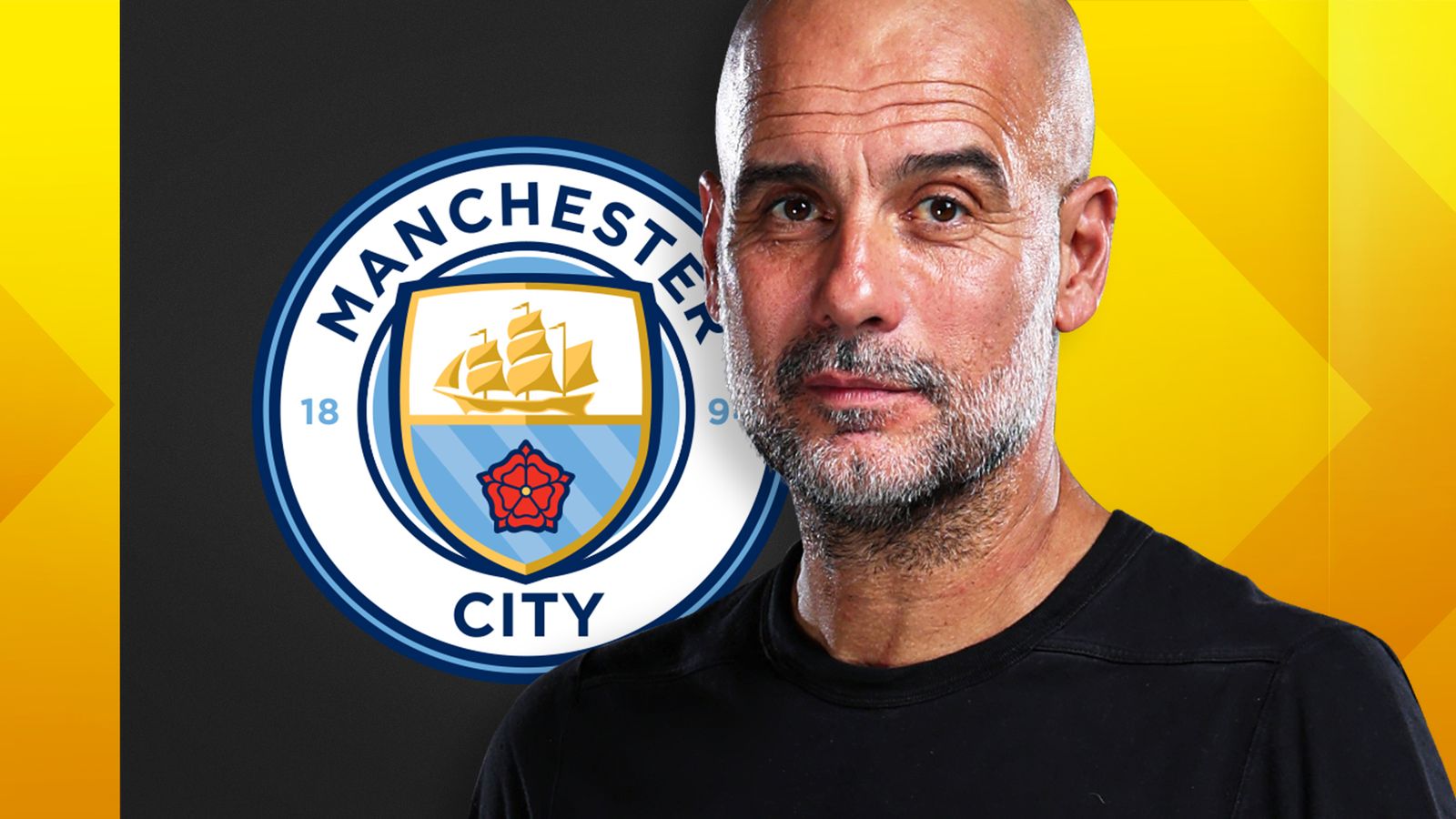
Pep Guardiola stepped off the team bus on the south coast and offered absolutely nothing. The waiting cameras got no smile. The reporters got no answers. Amidst the deafening noise of exit reports that have dominated the last 48 hours, the Manchester City manager opted for total silence. He simply picked up his bag and walked directly into the bowels of the Vitality Stadium.
If this is indeed the beginning of the end for Guardiola in England, the scriptwriters have handed him an exceptionally complicated final act. A trip to Bournemouth used to be penciled in as a guaranteed three points. It was a polite afternoon of possession drills near the beach. Not anymore.
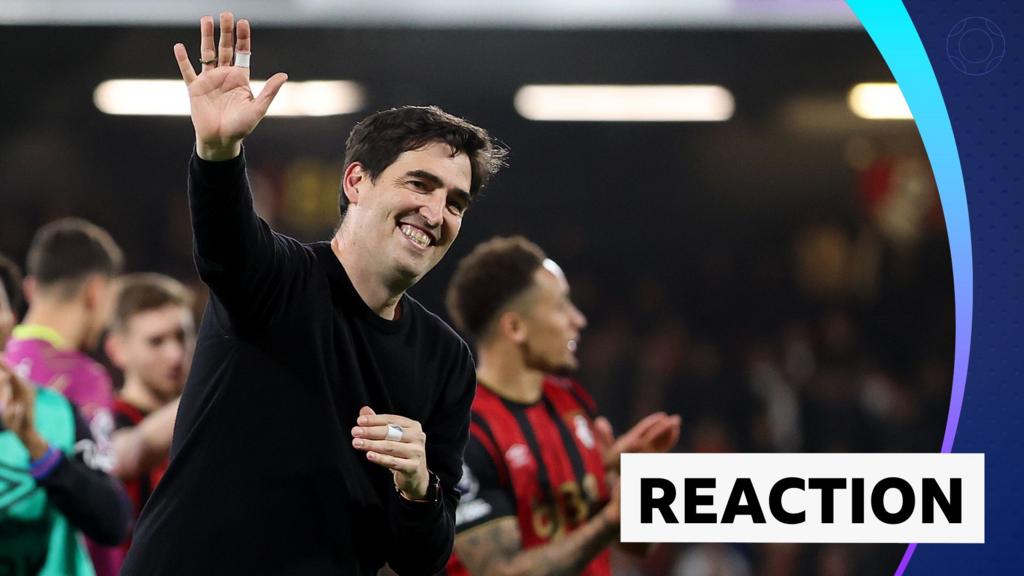
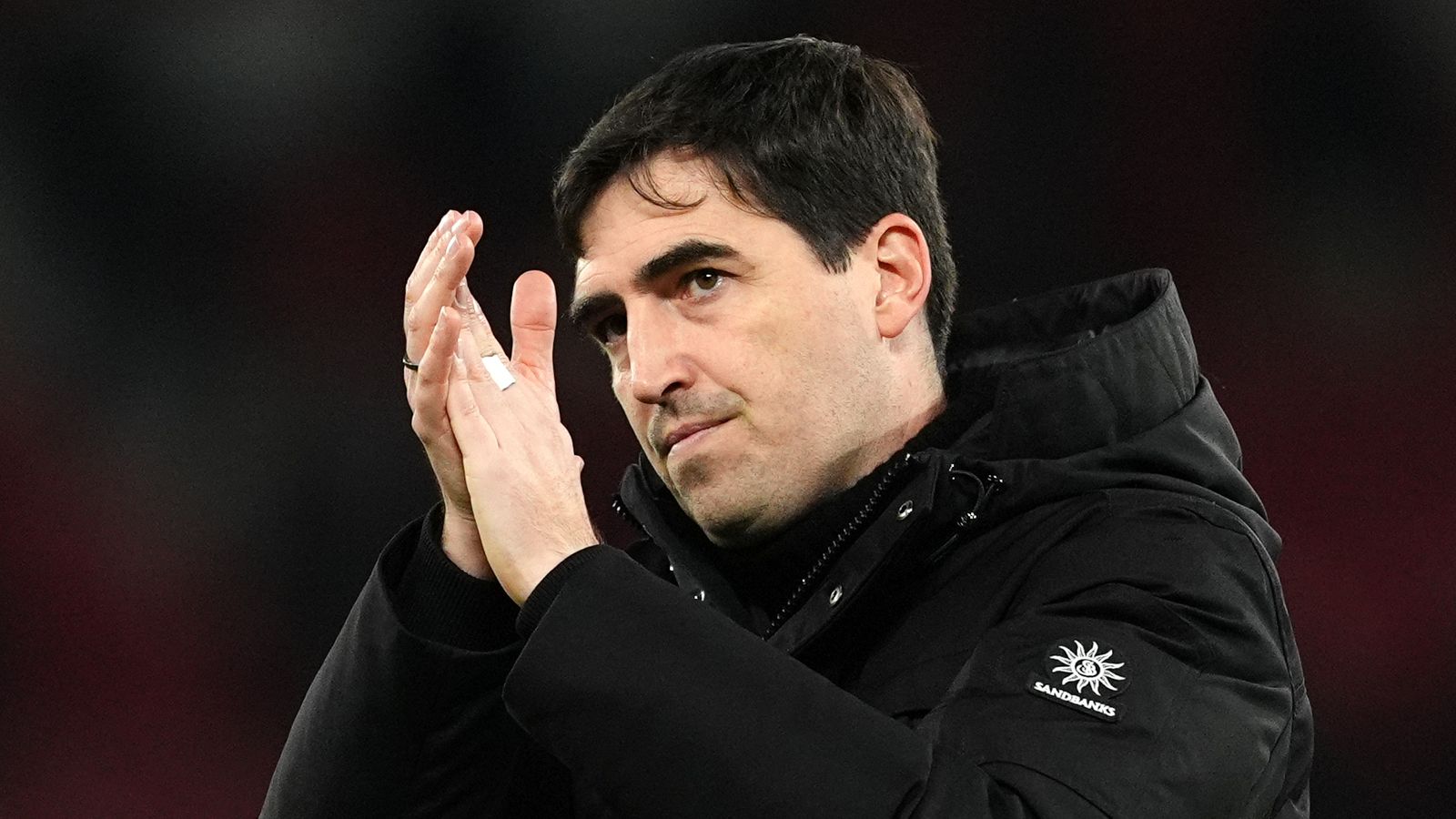
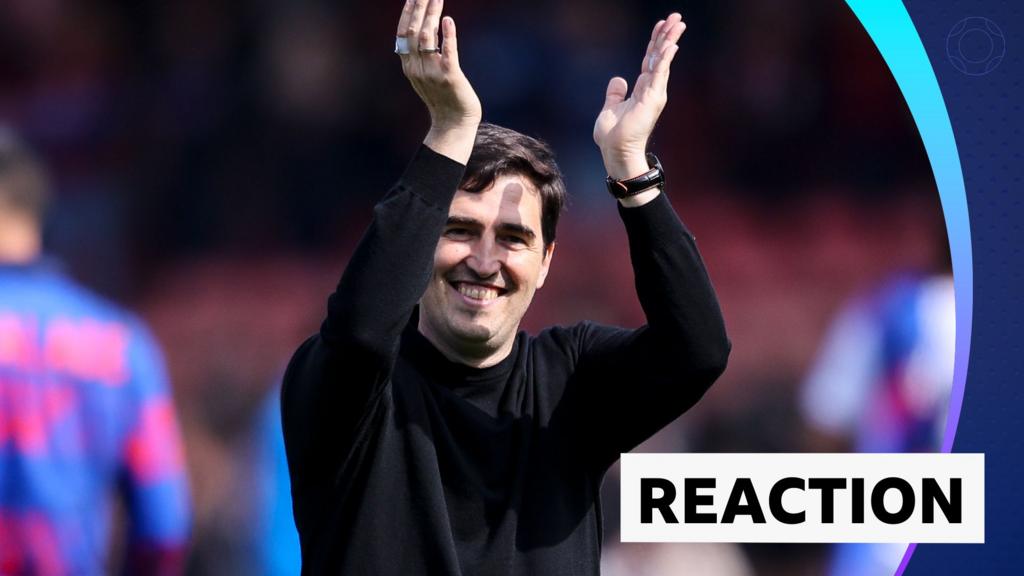
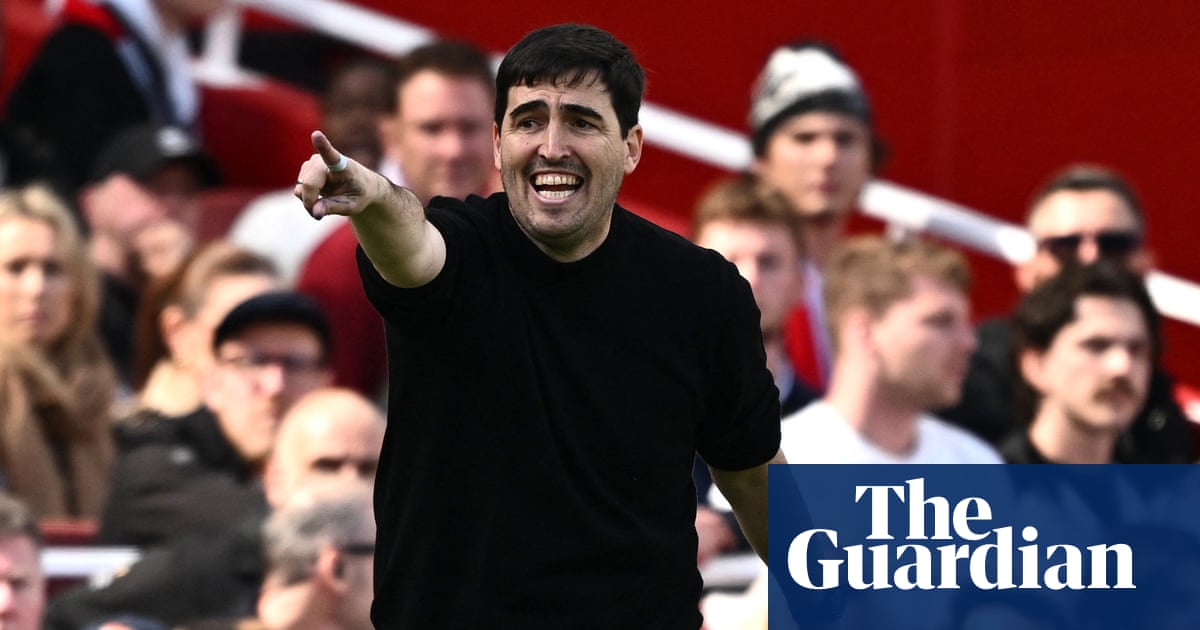
Andoni Iraola has turned this team into a tactical nightmare for possession-heavy sides. This afternoon is not about the title race narratives or the managerial gossip. It is a strict, violent tactical problem. Iraola's pressing system is designed specifically to short-circuit the exact build-up patterns Guardiola has spent eight years perfecting.
The Anatomy of the Iraola Press
Bournemouth do not just run hard. Running hard without a plan gets you picked apart by Rodri in ten minutes. Iraola employs a highly coordinated, man-oriented pressing scheme. The trigger is almost always a slightly heavy touch from a center-back receiving the ball facing his own goal.
Out of possession, Bournemouth form a 4-2-3-1 structure that rapidly morphs into an aggressive 4-2-4. The central attacking midfielder pushes right up alongside the striker. Their job is not to win the ball immediately. Their job is to split the center-backs and entirely block the passing lane to the deepest midfielder.
When Ederson rolls the ball out to Ruben Dias, the trap is set. The nearest Bournemouth winger immediately jumps inside. He doesn't press the man on the ball; he presses the space between the center-back and the fullback. It is a classic shadow-cover maneuver. Dias is forced into a split-second decision.
He can attempt a risky vertical pass through a rapidly closing window. Or he can play the safe, telegraphed pass out to the touchline. If Dias goes wide to the fullback, the trap springs. The touchline is the best defender in football. Bournemouth's fullbacks aggressively jump out of the defensive line to meet the City receiver.
Simultaneously, the central midfielders sprint across to lock down any inside escape routes. Last month, Bournemouth registered a staggering 8.4 PPDA against top-half opposition. That metric highlights exactly how suffocating their initial wave of pressure is.
Breaking the First Line
Guardiola knows this is coming. He has faced Iraola before, and he knows the Basque pressing principles intimately. The traditional City solution is the inverted fullback. By stepping John Stones or Rico Lewis into midfield, City try to create a 3-diamond-3 shape, mathematically outnumbering the pressing block.
But Iraola has an answer for that. He simply instructs his central midfielders, usually Lewis Cook and Ryan Christie, to follow the inverted players all the way into the City half. It turns the center of the pitch into a series of gritty, one-on-one physical duels.
If you lose your duel, the opposition is instantly bearing down on your back four. This is exactly where City have looked vulnerable lately. The mechanical, clockwork precision that defined their peak campaigns has occasionally slipped. Passes are a fraction of a second late. The spacing is sometimes off by a single yard.
When you are playing against a man-oriented press, those fractional errors are fatal. A turnover in the middle third isn't just a loss of possession. It's an immediate transition opportunity for the opposition.
To bypass this, City will have to rely on complex third-man combinations. They need Erling Haaland to drop deep, drag a center-back out of position, and immediately bounce a one-touch pass to a facing midfielder like Phil Foden. It requires immense technical bravery. If Haaland’s lay-off is sloppy, City are totally exposed on the counter.
The Ederson Solution
If the short build-up is completely blocked, the burden falls entirely on the goalkeeper. Ederson is not just a shot-stopper. He functions as the deepest playmaker in the squad. When Bournemouth commit five men forward to lock down the short passing options, they inevitably leave a one-on-one situation at the back.
Iraola is making a calculated bet. He is betting that Ederson cannot consistently drop a 60-yard pass onto the chest of his center forward. It is a risky wager. We have seen Ederson bypass entire midfield blocks with a single swing of his left boot in high-stakes matches.
However, if Bournemouth's pressing angles are smart, they will force Ederson to play clipped passes to the wingers rather than driving balls centrally. A clipped pass to Jack Grealish or Jeremy Doku gives the defending fullback time to adjust and contest the aerial duel. The margins here are incredibly fine.
The Value of Chaos
There is another, less sophisticated way to beat the press: individual brilliance. Doku represents the antithesis of Guardiola's controlled positional play. But in matches like this, his raw pace is the ultimate cheat code.
When the midfield is a congested mess of bodies, structural passing patterns fail. Doku doesn't need a pattern. If City can isolate him on the left wing against his fullback, the entire Bournemouth defensive structure has to collapse inward to help.
Doku's ability to beat his man from a standing start forces the opposition to commit a second defender. The moment that happens, the man-to-man system breaks. Spaces immediately open up in the half-spaces for Kevin De Bruyne to exploit.
City’s reliance on these moments of individual isolation is a negative development. It represents a regression from their peak tactical flow. They are currently averaging a 68% field tilt, meaning they still dominate the territorial battle. But the quality of their final-third entries has become entirely dependent on wingers winning their individual battles, rather than systemic dominance.
The Mental Toll
Then there is the psychological elephant in the room. The exit reports. Guardiola's silence at the team bus speaks volumes, and players are acutely aware when an era might be drawing to a close. The intensity inevitably drops, not out of malice, but out of basic human nature.
The demanding, relentless standard set by the manager feels just a tiny bit less urgent when his own future is in doubt. Against a team like Bournemouth, any drop in intensity is punished. Iraola's men thrive on second balls and loose touches.
If City's center-backs are a half-second slow to react to a transition, Dominic Solanke will punish them. Solanke's movement across the near post has been devastating this season. He will continuously target the blind side of whoever partners Dias at the back.
The Verdict
This will not be pretty. Expect a disjointed, physically demanding game where City are forced to play long more often than Guardiola would like. Ederson will be the busiest player on the pitch in the first twenty minutes, acting as the ultimate pressure release valve.
City are vulnerable right now. The off-pitch noise is deafening. On the pitch, they are facing a manager who knows exactly how to expose their current flaws. But champion teams usually find a way to drag themselves over the line, even when the underlying system isn't functioning perfectly.
De Bruyne's ability to find the tiny pockets of space behind the pressing line will be the difference. He only needs one or two clean entries into the final third to completely change the game state. It won't be a vintage performance, but it should be enough to silence the noise for at least one more week.
Prediction: Bournemouth 1-2 Manchester City. City survive a brutal opening half before grinding out a narrow win through a late transition goal.