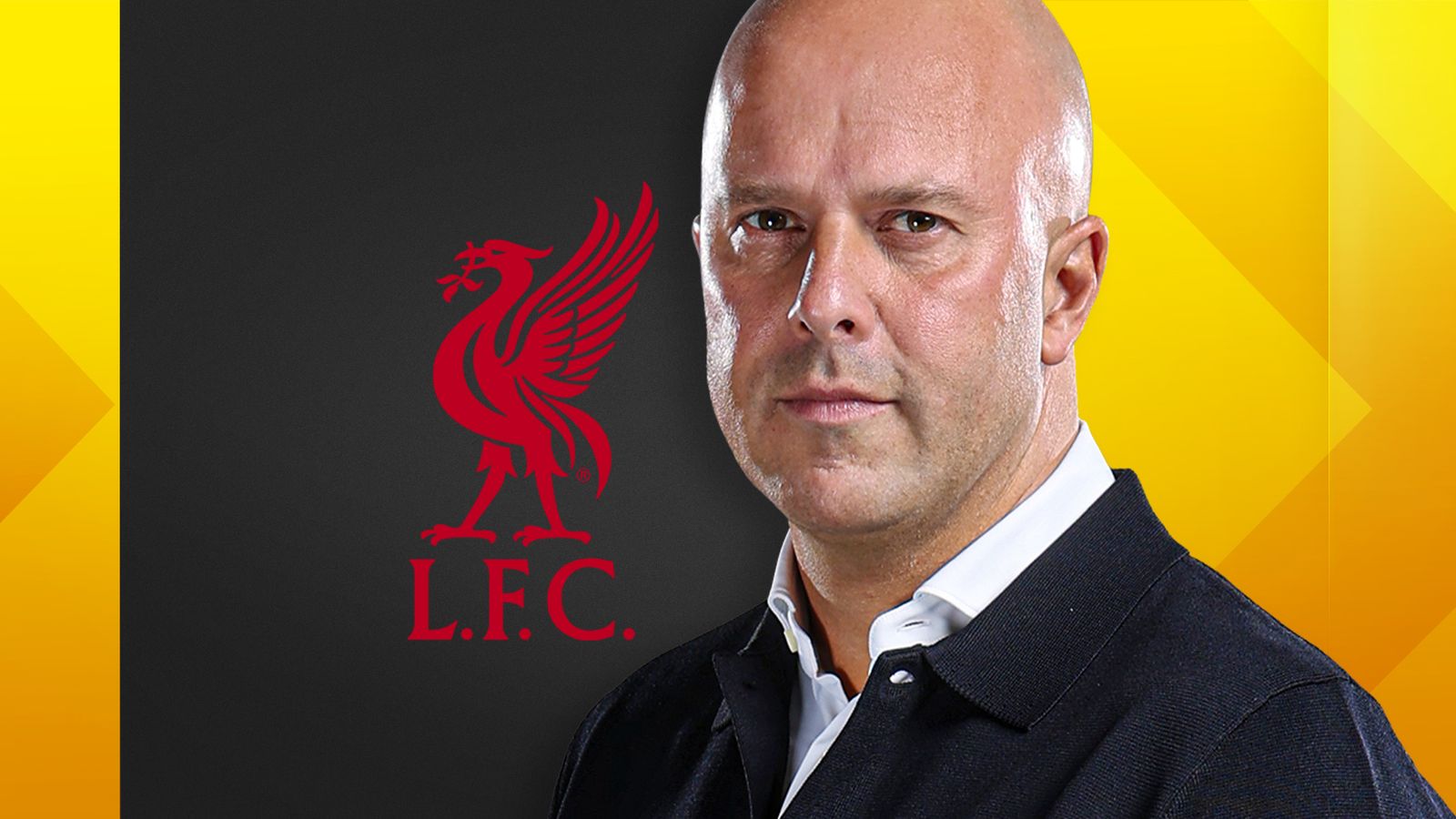
The end of heavy metal
Jurgen Klopp understood something fundamental about forwards who operate on instinct. He knew that if you try to over-coach them, you risk losing the very magic that makes them dangerous. It was a philosophy built on trust, calculated risk, and a willingness to embrace the unpredictable nature of elite-level football.
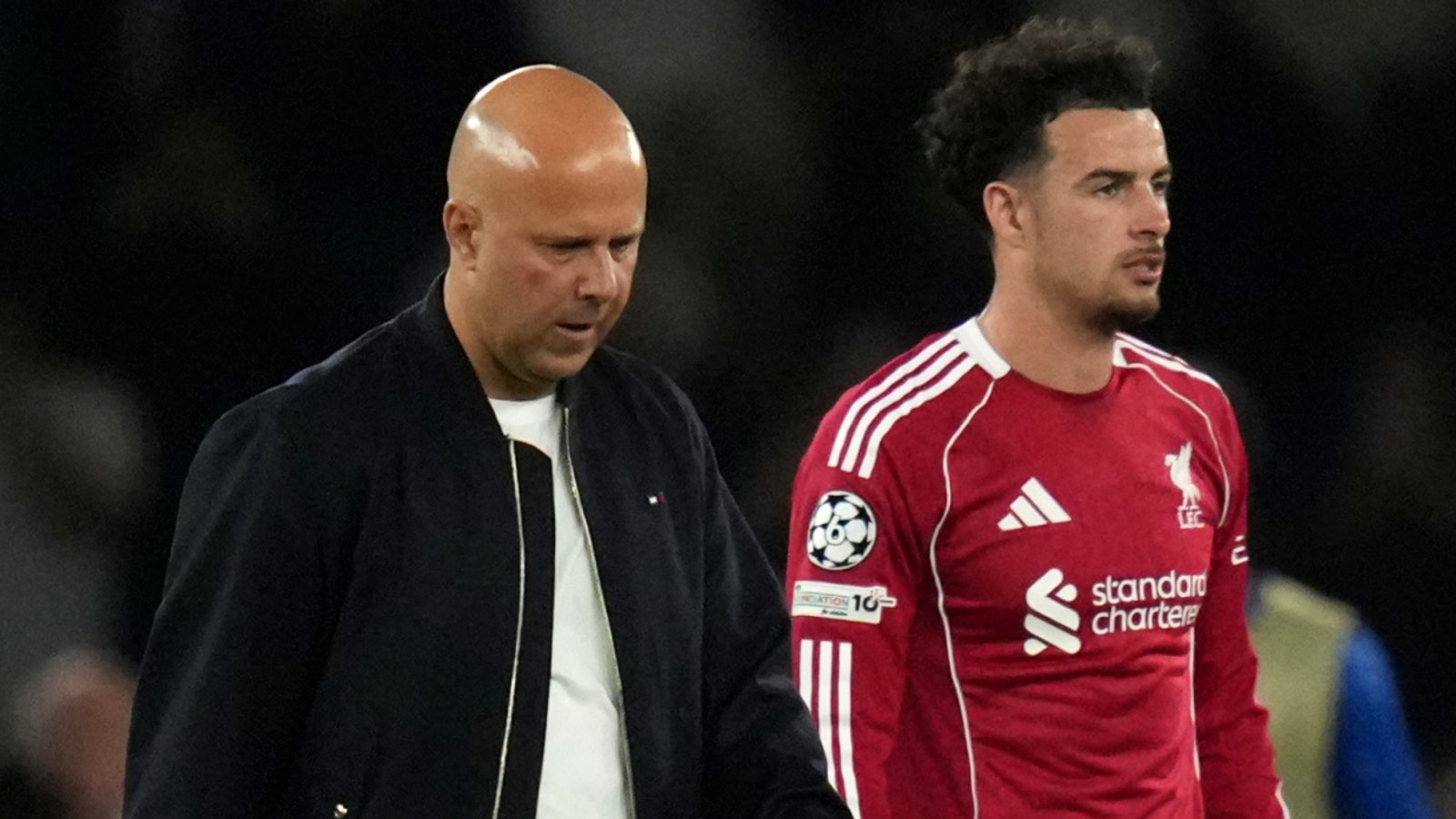
Arne Slot has taken the exact opposite approach.
Since arriving at Anfield, the Dutch manager has implemented a system defined by control, positional discipline, and methodical possession. It is undeniably effective in dismantling low blocks and minimizing defensive vulnerabilities. But this structural shift has created a glaring casualty in the starting XI.
He has turned one of the Premier League's most chaotic attackers into a peripheral figure.
The subtle criticism surrounding Slot's treatment of his forwards isn't just background noise or typical fan frustration. It points to a deep tactical philosophical divide between the old regime and the new one. Klopp built a machine that thrived in transition.
Slot is building a machine that wants to prevent transitions entirely.
This isn't merely a difference of opinion. It is a fundamental rewiring of the club's on-pitch identity. The players who excelled in the high-octane, heavy metal football of the past few years are now being asked to play classical music.
Some are adapting brilliantly. Others are completely lost in the sheet music. They have been stripped of the freedom that made them elite.
The positional straitjacket
Watch Liverpool's shape out of possession over the last month. The pressing triggers have completely changed.
Under Klopp, the instruction was often a frenetic, collective hunt for the ball the second it was lost. It was wild, sometimes disorganized, but terrifying to play against. Opposing center-backs had less than a second to make a decision before a red shirt was in their face.
Slot demands a more measured, conservative approach. He wants his wingers and central striker to funnel play into specific zones before engaging. For a player who relies on raw momentum and aggressive, instinctive pressing, this requirement to hold shape and wait for the trigger looks entirely unnatural.
You can see the hesitation in the initial pressing movements.
This hesitation bleeds directly into the attacking phases. Instead of making darting, spontaneous runs in behind the defense, the current attacking instructions demand strict adherence to designated zones. The freedom to roam, to drag center-backs out of position and create space for the late-arriving midfielders, has been severely restricted.
The wide players are expected to hold the width and wait for the overlapping full-backs. They are discouraged from cutting inside early to overload the penalty area. The central striker is asked to drop deep and link play, acting more as a false-nine facilitator than a traditional penalty-box predator.
It is a highly choreographed routine. When it works, it looks beautiful. When it fails, it looks incredibly static.
The stats tell the story. Expected goals generated from rapid counter-attacks have plummeted significantly since the managerial change. We are seeing more sustained possession and higher pass completion rates.
But we are seeing fewer high-quality chances created in those devastating first five seconds after winning the ball back.
The midfield disconnect
The knock-on effect of this forward stagnation is felt most acutely in midfield. Under the previous regime, the midfield three were essentially facilitators for the front line's chaos.
Their job was to win the ball, immediately play forward, and support the rapid attacks. Alexis Mac Allister and Dominik Szoboszlai were encouraged to take massive risks with their vertical passing.
Now, the midfield is instructed to recycle possession. If the immediate forward pass isn't completely secure, the ball goes backward or sideways. Slot demands a staggering 88% pass completion rate from his central midfielders.
While this looks excellent on a spreadsheet, it completely starves the forwards of early service.
When a striker makes a sharp, instinctive run off the shoulder of the last defender, they need the ball delivered immediately. If the midfielder takes an extra touch to assess the risk, the window closes. The run is wasted. The defense resets.
We are seeing this exact pattern repeat dozens of times per match. It leads to visible, mounting frustration from the attacking players.
A tactical miscalculation
Here is the critical flaw in Slot's current setup. By demanding total control, he is asking players to ignore their strongest natural attributes.
You do not buy a sports car to drive it exclusively in second gear. You do not buy a chaos-inducing forward to have them play safe, five-yard passes backward.
Klopp's genius lay in his ability to harness erratic energy. He didn't mind the missed chances, the heavy touches, or the occasional stray pass. As long as the intensity remained high and the opposing defensive line was constantly under severe pressure, he was satisfied.
He provided an arm around the shoulder and unwavering public support. He knew that absolute confidence was the required fuel for this specific type of player.
Slot’s approach is far more clinical and detached. The tactical system comes first, second, and third. If a player cannot execute the precise positional requirements, they are quickly marginalized and replaced.
This isn't just about man-management styles. It is a rigid tactical dogma that risks permanently alienating a player who was central to Liverpool's identity just twelve months ago.
Against deep-lying defenses, this rigidity is already causing massive problems. When the methodical build-up play fails to break down a low block, Liverpool look entirely devoid of a Plan B. The unpredictability is completely gone.
Defenses know exactly where the wide players will position themselves. They know exactly when the central striker will drop deep to link play. They know exactly how the midfield will rotate.
There are no surprises. And in elite European football, predictability is a death sentence.
The pressing metrics reveal the drop-off
Look closely at the underlying data from the last three fixtures. Liverpool's PPDA (passes allowed per defensive action) has increased dramatically. They are allowing opponents significantly more time on the ball in the middle third of the pitch.
This isn't an accident. It is by design. But the immediate consequence is a stark lack of high turnovers.
Last season, a significant portion of their goals came from forcing errors high up the pitch and instantly punishing the opposition. Those errors are no longer happening with the same frequency. The pressing intensity has been deliberately dialled back in favor of maintaining a solid defensive shape.
It is a calculated trade-off. Slot has undoubtedly made the defense more robust. They are conceding fewer big chances and look far less vulnerable to rapid counter-attacks.
But it has come at the absolute cost of the attacking venom and fear factor that defined the Klopp era.
The manager must find a compromise. You cannot simply strip away the defining characteristics of your most expensive attackers and expect them to perform at an elite level indefinitely.
There needs to be room within the tactical framework for individual expression, instinct, and a little bit of tactical anarchy. Without that freedom, Liverpool are playing with the handbrake firmly applied.
They are dominating possession metrics but failing the eye test.
The upcoming European test
With the Champions League semi-finals looming just five days away on April 28, this tactical stubbornness could not come at a worse time.
European knock-out ties at this stage of the competition are rarely won purely on methodical possession and positional discipline. They require explosive moments of individual brilliance, sudden shifts in match tempo, and the ability to ruthlessly hurt teams in transition.
If Slot refuses to loosen the tactical straitjacket, Liverpool might find themselves dominating the ball against elite European opposition but lacking the cutting edge to actually win the tie.
You cannot pass a top-tier defense to death without runners aggressively breaking the lines.
It is a massive gamble from a manager who is still actively trying to prove his philosophy can yield the same level of success as his predecessor's historic reign. The contrast in handling out-of-form stars is stark.
Klopp would have thrown his struggling forward into the fire, demanding effort and trusting the chaos. Slot chose the system. He benched the chaos.
The criticism he is facing from former players and tactical analysts is entirely justified. A manager's job is not just to implement a rigid system regardless of the personnel. It is to maximize the talent at his disposal and find the optimal balance between control and chaos.
Right now, by relentlessly prioritizing control over everything else, Slot is doing the exact opposite. He is leaving his sharpest, most dangerous weapons blunted on the tactical drawing board, staring at a system that doesn't understand them.
If he doesn't adjust before the whistle blows next week, the consequences for Liverpool's entire season could be severe.