The King Abdicates
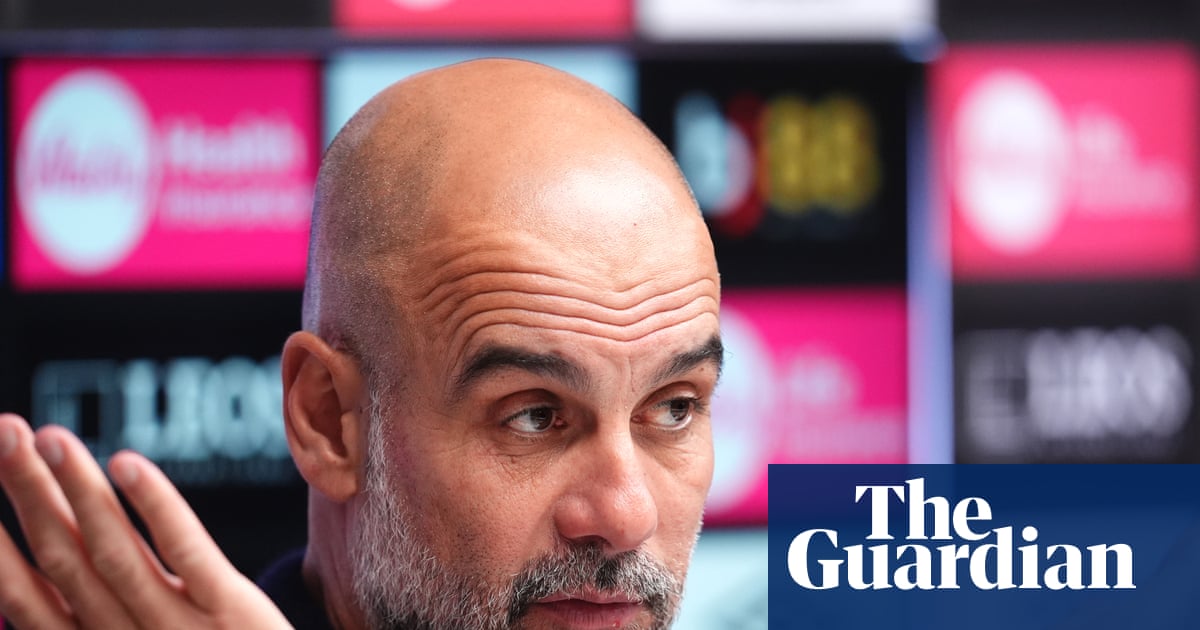
The earthquake finally hit Manchester. On Friday afternoon, Manchester City confirmed what their rivals have been desperately praying for. Pep Guardiola is leaving the Etihad.
Ten years. 17 major trophies. A managerial reign that fundamentally rewired English football is officially over. Guardiola announced his departure with a simple, chilling admission:
I will be out for a while.
He sounds utterly exhausted. You do not maintain his level of obsessive, frantic perfectionism for a decade without burning away pieces of yourself. The relentless grind of the English game has claimed its greatest architect.
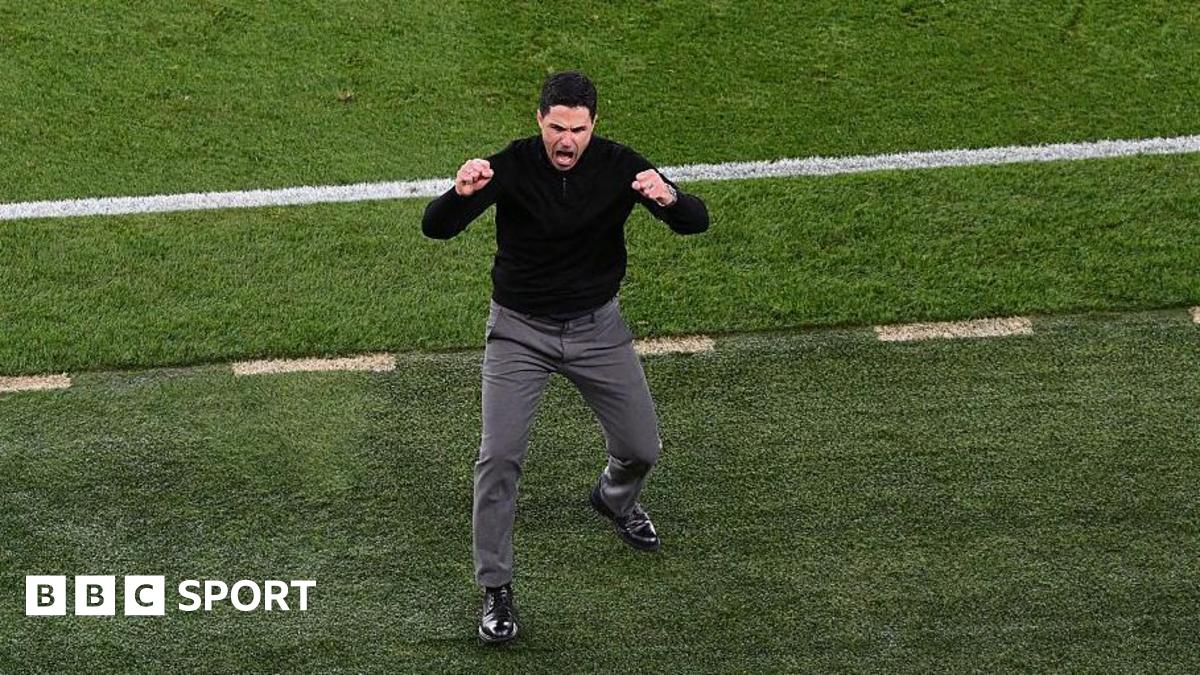
The timing of this exit is incredible. It arrives precisely as Mikel Arteta finally summited the mountain. Arsenal are Premier League champions. The man who spent years arranging training cones for Guardiola did not just learn from his boss. He outlasted him. The torch was not passed; it was ripped from City's grasp.
City will rename the North Stand after Guardiola, according to The Guardian. It is a completely earned tribute for a man who filled their trophy cabinet to the breaking point. But slapping a plaque on the stadium does not solve the massive problem the board now faces. City without Guardiola is a terrifying unknown. For every other team in the top flight, it smells like blood in the water. The aura of invincibility has vanished.
The Copycat Critique
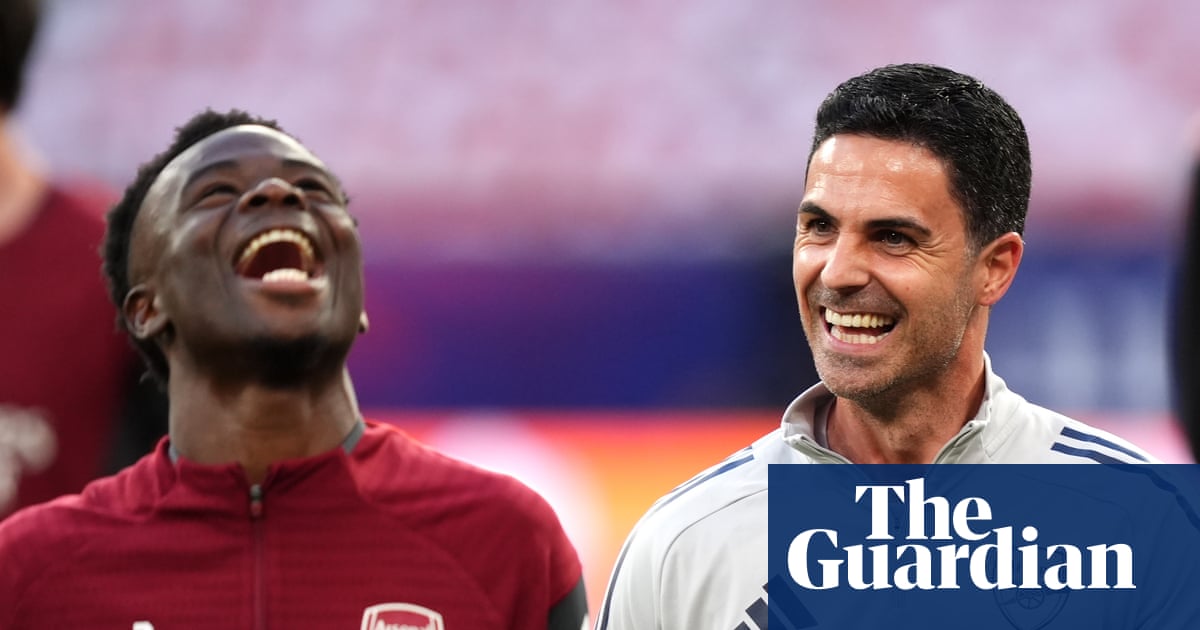
Arteta’s ascension is staggering. Following Friday's news, he is now the longest-serving current manager in the Premier League. The same guy who looked completely lost during his brutal first two seasons in North London is now the elder statesman of the division. Remember those early days? The endless sideways passing, the baffling team selections, the loud calls for his head after defeats to newly promoted sides. The board stuck by him when the noise was deafening. They trusted his vision even when the product on the pitch looked entirely broken. That patience has yielded the ultimate reward.
Yet, the lazy criticisms refuse to die. A prominent claim surfaced this week, detailed by Mirror Football, that Arteta simply 'stole everything' from Guardiola. Rivals call him a shameless copycat. They point to the inverted fullbacks, the methodical passing routines, the frantic touchline pacing. They argue Arsenal are just Manchester City in red shirts.
This completely misreads how Arsenal won the league. Yes, the tactical foundation comes from Manchester. But Arteta took the Guardiola blueprint and injected it with a cynical, ugly pragmatism that his former boss actively despises.
Where City demand total control of the football, Arsenal are perfectly willing to suffer in a low block. They dragged opponents into the mud. They weaponized set-pieces with ruthless efficiency. Arteta realized early on that you cannot beat Guardiola in a pure possession battle. You have to find a different edge entirely.
The Dark Arts of Gabriel Heinze
That edge arrived in the form of Gabriel Heinze. Bringing in the fiery Argentine as his No. 2 was Arteta's masterstroke. Heinze played the game like every tackle was a personal vendetta, and he brought that exact violent mentality to Arsenal's training ground. He demanded physical dominance.
Heinze’s role was instrumental to the title run. He took a squad of technically brilliant but historically fragile players and turned them into absolute street fighters. Arsenal won tight away games by being physically overwhelming and aggressively dark in their game management. When they needed to kill a game, they killed it.
It is worth comparing Heinze to the men who previously sat next to Guardiola. Assistants like Juanma Lillo were brilliant tactical theorists. They reinforced Guardiola's belief in total control. Heinze is cut from a completely different cloth. He does not care about passing triangles if the team is losing tackles. Arteta hired an enforcer, and that enforcer won him the Premier League.
There is also the lingering Julian Alvarez mystery. While the exact details of his season remain quiet, his name was heavily tied to tactical disputes and behind-the-scenes drama, as noted by the Mirror. Arsenal’s ability to navigate internal tactical shifts under Heinze’s watch proved they had the mental grit to survive a nine-month war of attrition. City, meanwhile, seemed burdened by the noise. Arsenal ground them down over 38 games.
This forces a harsh look at Guardiola's final campaign. He became entirely too stubborn. City's reliance on their beautiful Plan A was absolute. They tried to pass through deeply entrenched defenses time and time again, ignoring the fact that teams had finally figured out how to absorb the pressure. When Plan A failed, there was no gritty, violent Plan B. They lacked the physical enforcers needed to win second balls in the midfield. Guardiola’s refusal to compromise his aesthetic principles ultimately cost him the title against an Arsenal team willing to win ugly.
The Style and The Release Valve
We cannot discuss Guardiola’s exit without mentioning his sheer presence. He did not just change tactics; he became the undisputed champion of dugout style. He killed the traditional manager suit. He replaced it with cargo pants, designer sneakers, and high-end streetwear. He made the touchline look like a fashion shoot.
But the calm, curated fashion masked a man constantly boiling over. We rarely saw the human side of Guardiola during the title run-ins. We got a rare look this week when his daughter, Maria, posted a series of behind-the-scenes memories on Instagram to commemorate his exit.
The images she shared are jarring. There is Guardiola swigging vodka in a nightclub. There is a video of him in his office, completely losing his mind and chanting loudly with Jack Grealish. We are so used to seeing him frantic on the touchline, adjusting imaginary tactical dials in his head. Seeing him blow off steam reminds us of the crushing weight he carried every single day.
Maintaining a 90-point standard every year breaks people. The vodka and the chanting were the required release valves for a high-pressure system. Clearly, those valves were no longer enough. He needs a real break away from the cameras.
The Void Ahead
The football calendar offers no sympathy. The UCL Final kicks off on May 28, and right after that, the sport plunges straight into the FIFA World Cup on June 11. The top players in the world are being run into the ground. Guardiola’s exhaustion is symptomatic of a sport that demands infinite energy. Players and managers alike are breaking down. City’s squad looked heavy-legged during the title run-in, victims of their own extended success. Arsenal were just slightly fresher, slightly hungrier. The grueling expanded 48-team World Cup format will only compound this physical toll. Whoever takes over at the Etihad will inherit a squad returning from international duty absolutely shattered.
The entire balance of power in Europe shifts today. With the Champions League concluding next week, the continent's attention should be strictly on the pitch. Instead, everyone is staring at the crater Guardiola left in Manchester.
Arsenal hold the crown. They have the tactical stability. But Arteta’s job actually gets harder now. Beating Guardiola was his white whale. Now that the white whale has packed up and gone home, Arteta must find a new source of motivation to keep his squad hungry.
City will hire a massive name, obviously. They have bottomless pockets and incredible scouting. But you cannot buy Guardiola’s brain. You cannot replicate the pure fear he instilled in opposing managers before the whistle even blew. Teams used to lose to City in the tunnel. That psychological advantage is gone.
The new City manager walks into a brutal situation. The squad is brilliant but mentally drained and aging in key spots. The structural flaws in midfield that Arsenal exposed must be fixed immediately. The rebuild has to start right now, or City risk falling entirely behind Arteta's battle-hardened squad.
Jurgen Klopp left. Now Guardiola is gone. The two defining architects of modern English football have vacated the stage forever. The king has stepped down, the Arsenal era has officially begun, and my prediction is clear. City will spend the next three years frantically trying—and failing—to replace the irreplaceable. Arsenal will win it again next year. Easily.