The anti-climax of a television screen
The 22-year drought did not end with a spectacular volley at the Emirates. It didn't end with a dramatic final-day sprint or a controversial VAR decision deep into stoppage time against a historic rival.
It ended with a television screen. It ended because Manchester City, the relentless and supposedly inevitable machine, dragged themselves to the south coast and managed a miserable 1-1 draw against Bournemouth.
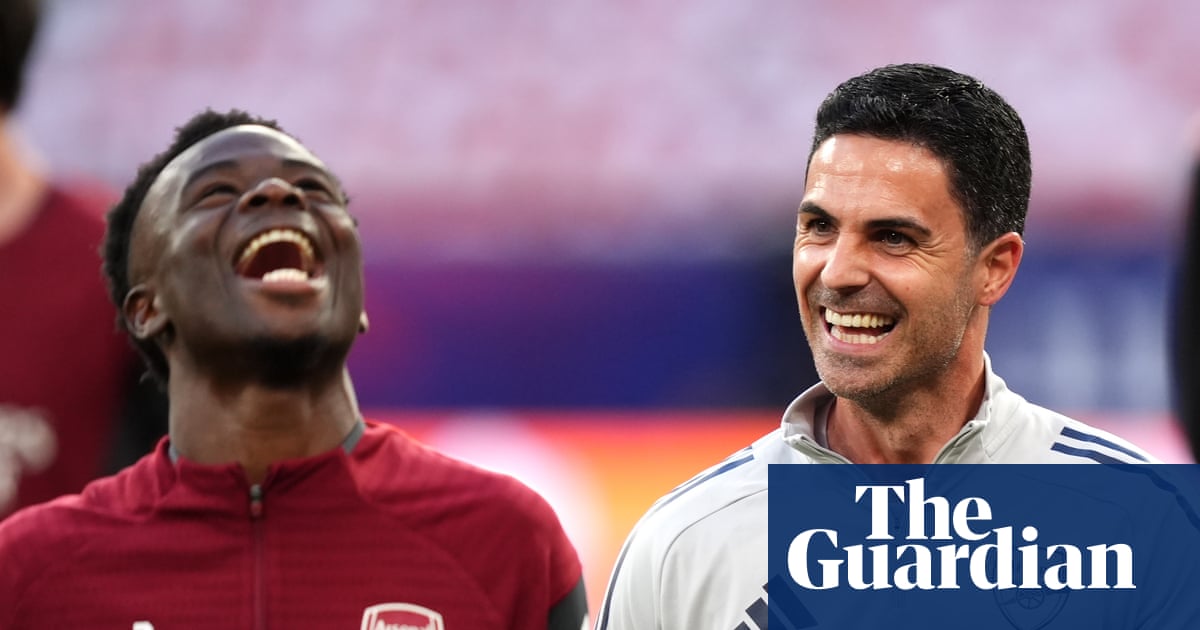
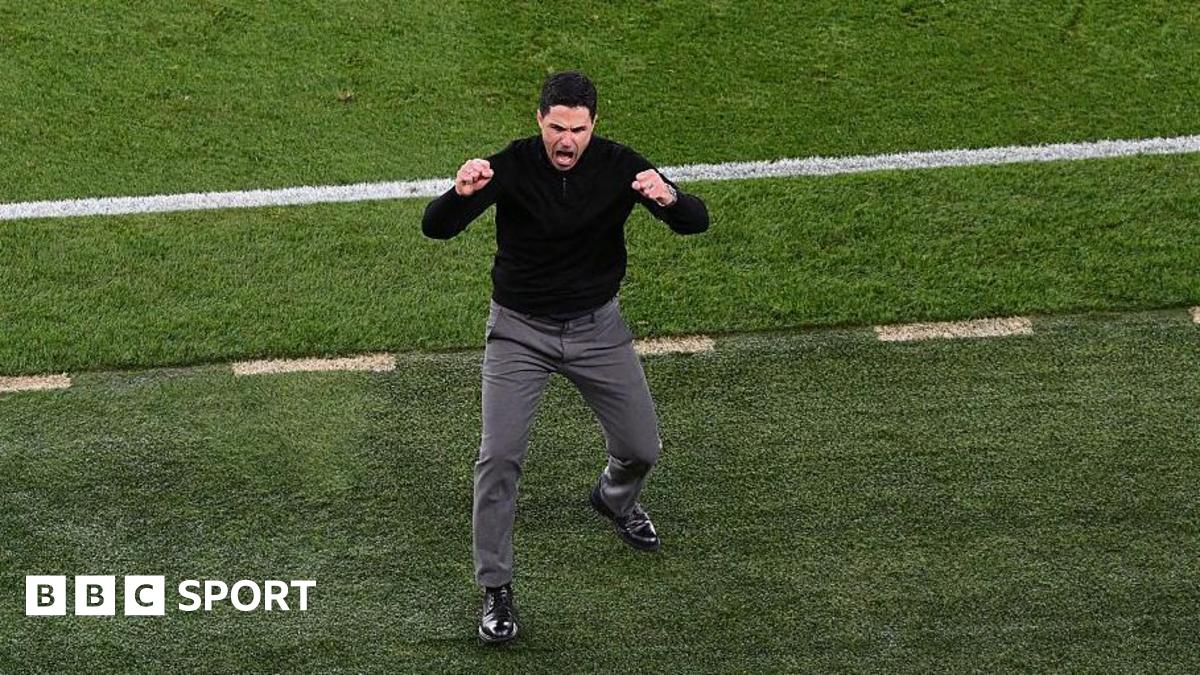
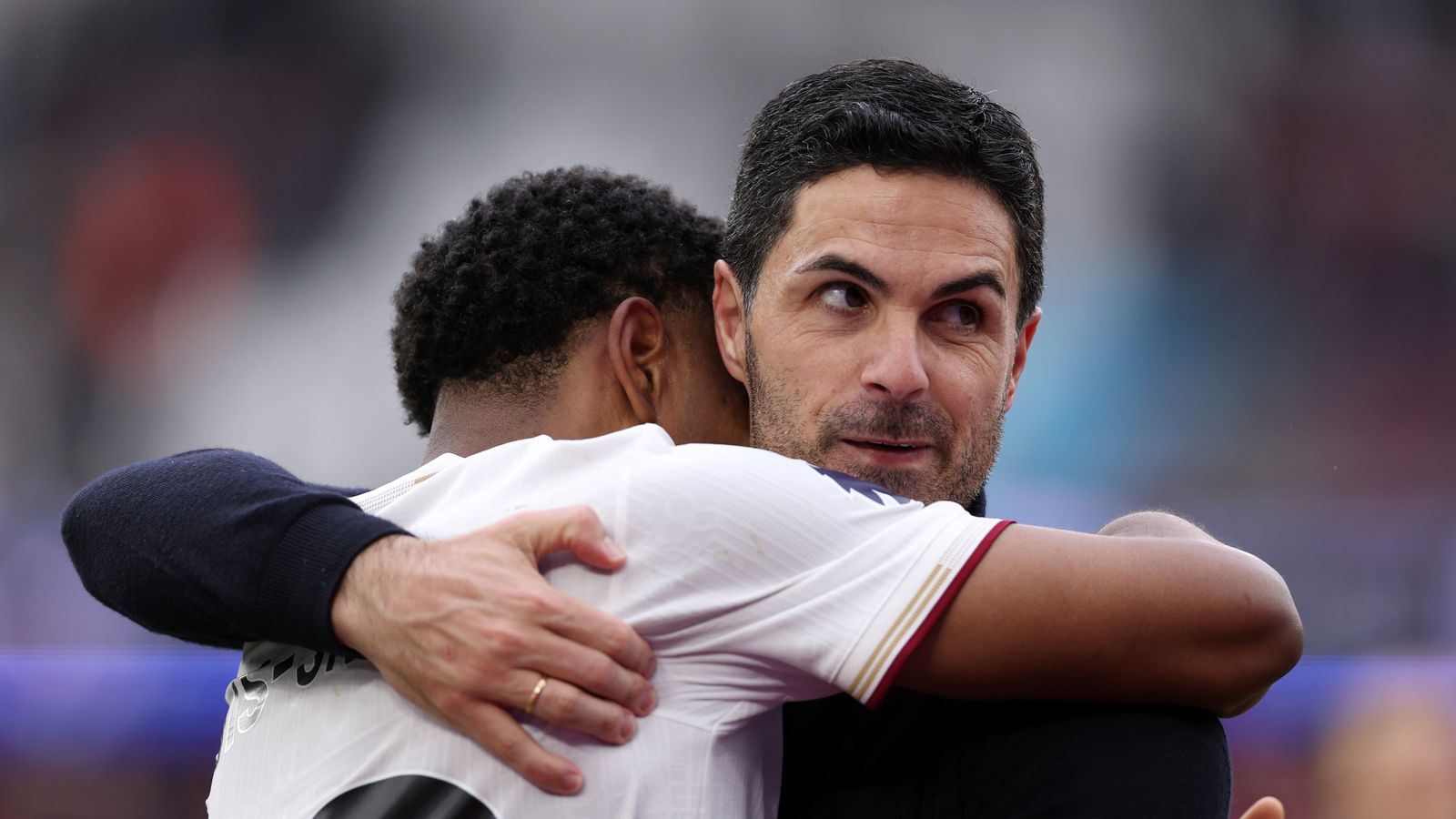
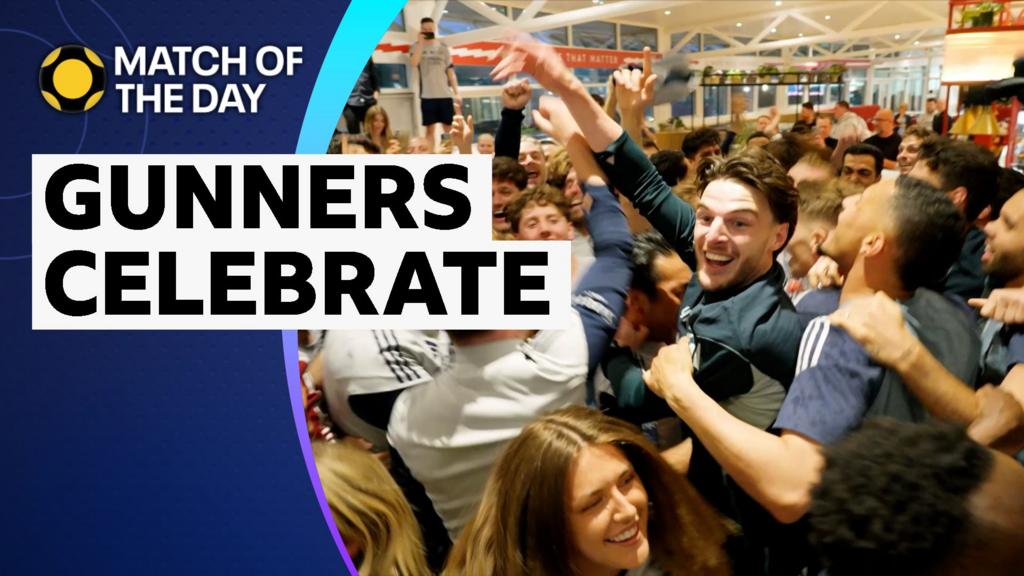
The BBC quickly circulated the footage of Arsenal players and staff celebrating in a room, jumping over tables and screaming at a broadcast feed. Mikel Arteta called his squad "exceptional" in the immediate aftermath.
He is right, but perhaps not in the way most fans want to admit. This Arsenal team is exceptional not because they are breathtaking to watch, but because they have spent the last ten months suffocating the life out of the Premier League.
The death of emotion
If you want to understand how Arteta finally dragged this club over the line, you have to look at what he stripped away. Three years ago, Arsenal were a team defined by pure, volatile emotion. They played beautiful, frantic football, and when things went wrong, the collapse was total.
They were the team that cried on the pitch. They were the team that allowed Anfield or St James' Park to bully them out of possession simply by turning up the volume. Arteta realized that emotion is a terrible foundation for a 38-game season.
So, he killed it. He systematically removed the chaos from Arsenal's tactical setup. He stopped asking his fullbacks to bomb down the touchline and create overlaps. Instead, he instructed them to invert, park themselves in the central midfield, and form an impenetrable block of bodies ahead of the two center-backs.
Arsenal stopped trying to win games by outscoring opponents in shootouts. They decided to win games by ensuring nothing happened for long, agonizing stretches of time. They weaponized boredom.
The set-piece crutch
We have to be honest about what we watched this season. As a purely attacking entity in open play, Arsenal actually regressed. They became entirely predictable.
Every team in the division knew the pattern. The ball would cycle slowly across the backline, eventually finding its way to Bukayo Saka on the right wing. Martin Odegaard would drift over to offer a wall pass. They would probe, hesitate, and try to thread a needle through eight defenders.
The left side of the pitch became a tactical dead zone. Gabriel Martinelli spent months stranded on the touchline, utilized less as a dynamic forward and more as a decoy to stretch the opposition's defensive shape. When Arsenal needed a goal, the left flank was ignored.
They compensated for this obvious imbalance through set-pieces. Arsenal's reliance on corners and wide free-kicks bordered on the absurd. They didn't carve teams open; they battered them with in-swinging deliveries into the six-yard box. It was effective, brutally so, but it masked a lack of fluidity that would have cost them in a different era.
City's structural decay
Arsenal's title win cannot be analyzed without looking at the failure of Pep Guardiola's side. The draw at Bournemouth was not an isolated incident. It was the culmination of a slow, grinding fatigue that has infected City's entire setup.
At the Vitality Stadium, City looked devoid of ideas. Their passing was sideways, lacking the sudden, sharp verticality that used to define their title run-ins. Bournemouth didn't even have to play the game of their lives to secure the draw; they simply sat in a compact shape and watched City pass themselves to sleep.
City's midfield control has vanished. Without that suffocating possession, their defensive vulnerabilities were exposed week after week. Arsenal didn't necessarily outplay Manchester City this season; they outlasted them. They maintained a defensive floor so high that City's inevitable dropped points finally became fatal.
Stepping onto the pitch as champions
This weekend, Arsenal will walk out at the Emirates for their final fixture. The pressure that has choked the air around this club for over two decades is gone. There is no math to worry about. There are no permutations. The trophy is in the building.
What happens to a team that has played with a clenched jaw for nine months when they are finally allowed to exhale?
Tactically, this final game is a fascinating psychological case study. Will Arteta demand the same rigid, risk-averse structure that won them the league? Or will he finally release the handbrake and let his attacking players operate without the fear of a transitional counter-attack?
We might finally see the fluid rotations that have been absent since August. We might see midfielders making overlapping runs. We might see a performance that actually resembles the romanticized idea of 'Arsenal football' rather than the grittily pragmatic reality.
The prediction
Do not expect a masterclass this weekend. Adrenaline is a finite resource, and Arsenal exhausted their reserves weeks ago. The mental drop-off that follows a secured title is severe, especially for a squad that has carried the psychological weight of an entire generation's failures.
They will step onto the pitch looking heavy-legged and distracted. The passing will be loose. The defensive block will lack its usual venomous intensity. The crowd won't care, the manager won't care, and the players certainly won't care.
I expect a disjointed, sloppy affair. A 0-0 draw feels almost guaranteed. Arsenal have forgotten how to play free-flowing football, and it will take a full summer reset to remind them. They will lift the trophy after a terrible game of football, which is entirely fitting for how they won it.
Read Next
- Arsenal ended the 22-year wait, but they will not repeat next season
- Arsenal's 22-year title drought is over thanks to a suffocating defense
- Top 10: Moments That Defined Arsenal's 22-Year Title Wait
- Pep Guardiola is leaving Man City and Arsenal are about to take over
- ⭐ UCL 2026 — Champions League Quarter-Finals Hub