The semantics of power at Stamford Bridge
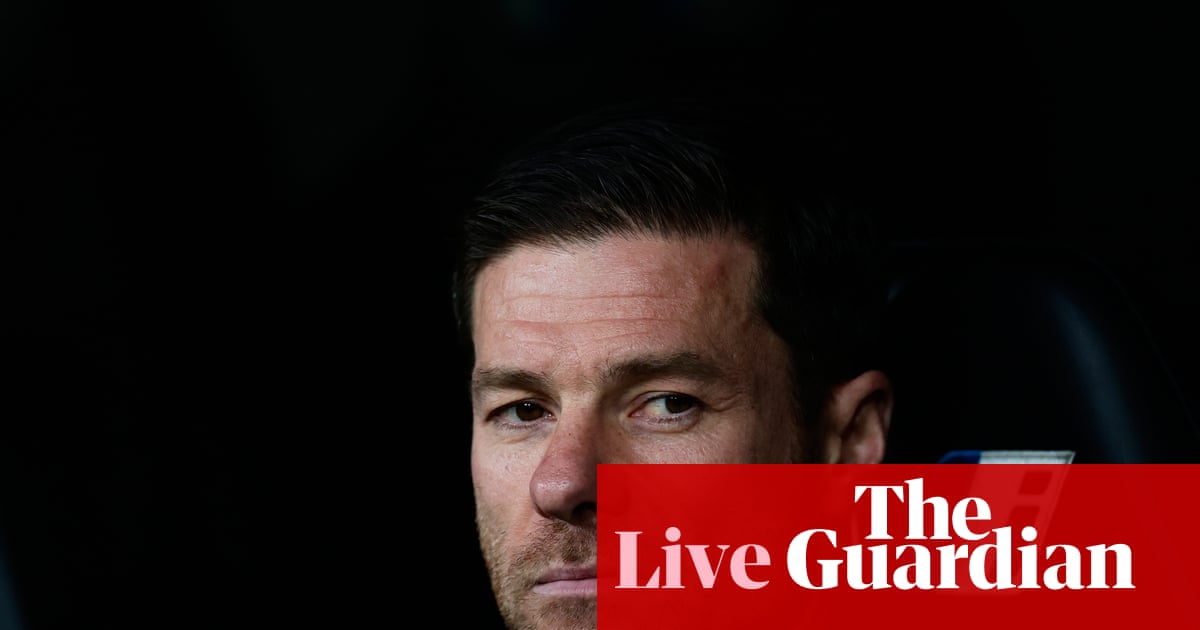
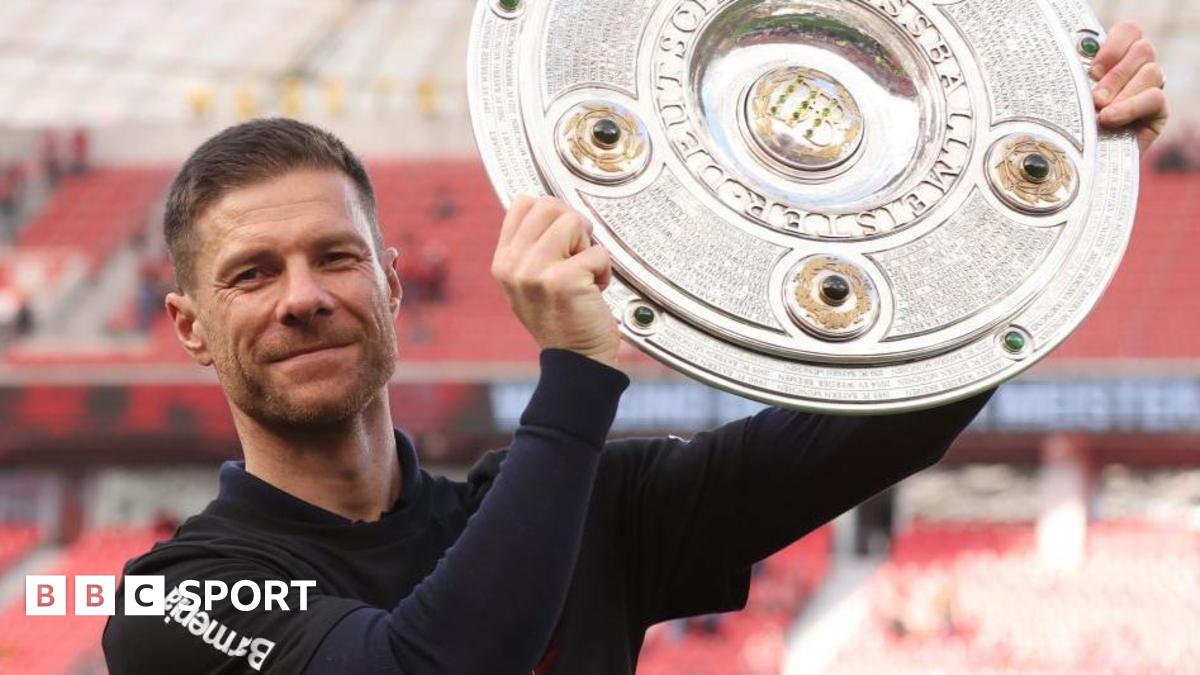
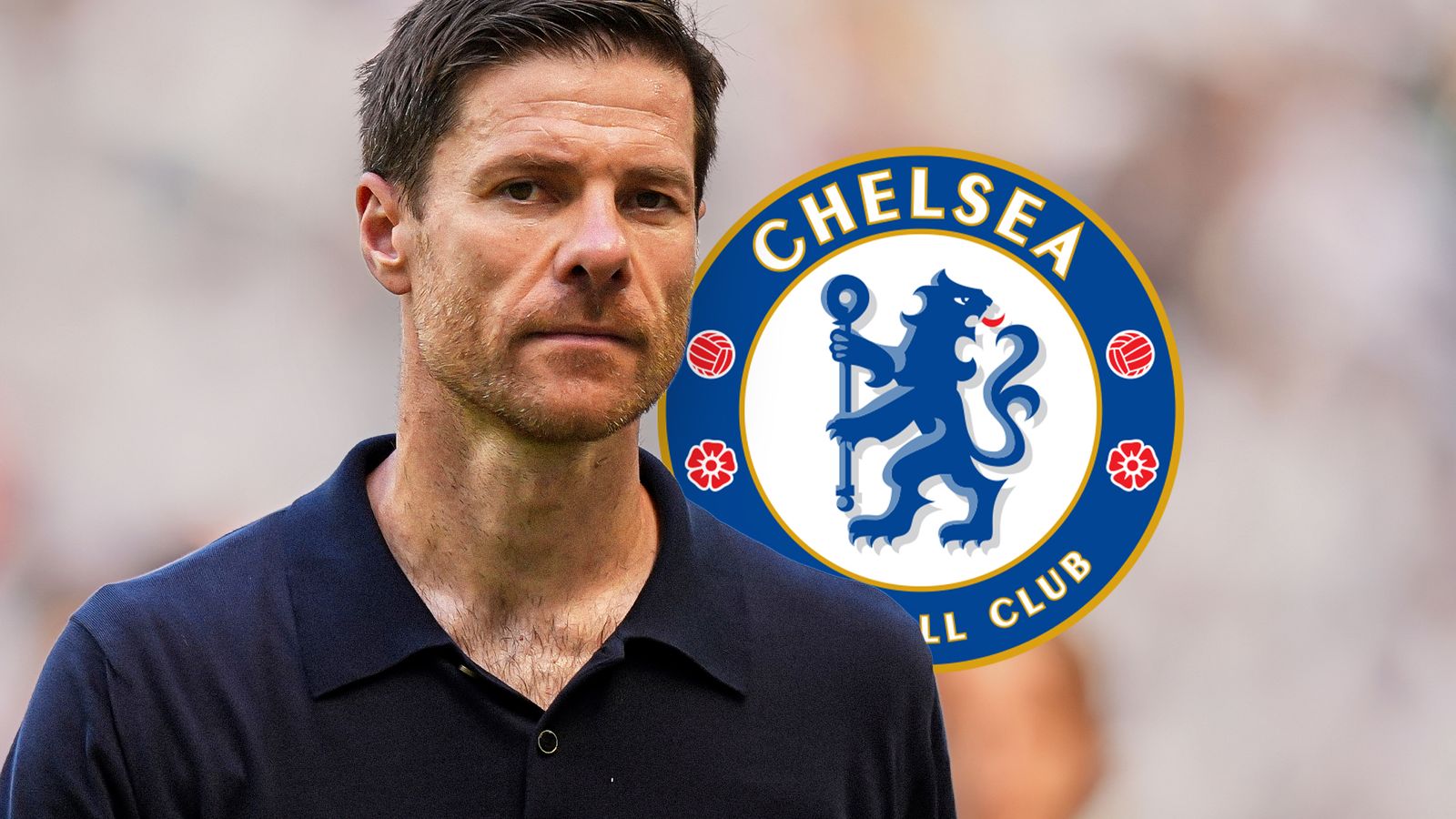
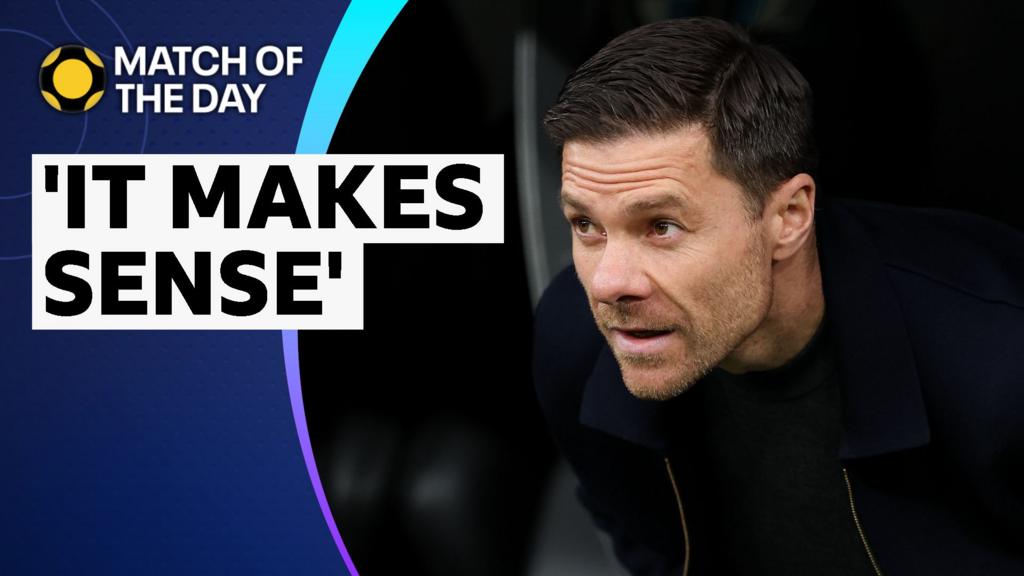
Speaking on Match of the Day, Danny Murphy and Joe Hart highlighted a detail in Chelsea's latest appointment that goes far beyond standard football bureaucracy. Xabi Alonso has arrived in West London, and the club has explicitly handed him the title of manager. Not head coach. Manager.
In the modern era of Premier League football, and specifically under the stewardship of Clearlake Capital, that distinction is massive. For the past four years, Chelsea has operated as an extreme version of the European sporting director model. The hierarchy bought the talent, stockpiled the prospects, and handed the resulting jigsaw puzzle to a head coach whose only mandate was to make the pieces fit on a Saturday.
Alonso's title shift suggests a concession from the board. It implies control over the sporting project, an influence over recruitment profiles, and the authority to discard players who do not fit his precise tactical geometry. The BBC analysis correctly noted that Alonso wouldn't have accepted the job without these guarantees. He is stepping into the most volatile dugout in European football, but he is doing so with the keys to the castle.
Deconstructing the Alonso machine
What exactly is Chelsea getting tactically? We have seen the blueprint during his historic stint at Bayer Leverkusen. Alonso's system is a meticulously calibrated machine, built primarily on a fluid 3-4-2-1 structure that prioritizes ball retention and suffocating central overloads.
The build-up phase is where the magic happens. Alonso demands extreme patience from his deep players. The central defender in the back three frequently steps up to form a temporary double pivot alongside a holding midfielder, creating a diamond shape that baits the opposition press. Once the opponent commits, the ball is snapped vertically into the half-spaces.
This is where the automation takes over. The two attacking midfielders operate strictly in those half-spaces, turning and driving at an exposed defensive line. Meanwhile, the wing-backs are instructed to hold maximum width, stretching the pitch to its absolute limits. It creates an inescapable dilemma for defending full-backs. They can step inside to deal with the number tens and leave the winger wide open, or stay wide and allow the center of the pitch to be overrun.
But the true hallmark of an Alonso team is the counter-press. Because his attacking shape packs so many bodies into the central zones, they are perfectly positioned to hunt the ball the second possession is lost. The distances between players are deliberately kept short. It is organized, aggressive, and relentless.
The squad mismatch
Here is the core problem. Chelsea's squad, constructed through billions of pounds of frantic spending, is entirely unsuited for Alonso's preferred tactical framework.
Look at the wingers. Chelsea has stockpiled explosive, isolation-heavy wide players who want the ball at their feet on the touchline so they can beat a man one-on-one. Alonso doesn't want touchline-hugging wingers; he wants wing-backs who can arrive late into the penalty area and number tens who can operate in tight pockets of space. Asking Mykhailo Mudryk to play as an interior playmaker in a congested half-space is a recipe for disaster.
Then there is the midfield. Enzo Fernández possesses the passing range to orchestrate the build-up, but his lack of lateral mobility is a glaring issue in defensive transition. Moises Caicedo is an elite ball-winner, but his ability to execute disguised, line-breaking passes under extreme pressure is inconsistent at best. In a two-man midfield tasked with anchoring a hyper-aggressive 3-4-2-1, any lack of technical security is fatal.
The defensive profiles are equally concerning. Alonso requires wide center-backs who are comfortable defending the channels in isolation when the wing-backs push forward. Chelsea has a collection of central defenders who prefer defending their own penalty area. If the counter-press fails—and it will fail frequently during the early stages of implementation—that backline is going to be brutally exposed in transition.
This is where Clearlake's recruitment strategy completely falls apart. They bought players for a transition-heavy, individualistic style of football. Handing this specific roster to a rigid positional play ideologue is a spectacular mismatch of personnel and philosophy.
The cognitive load on the flanks
Take Reece James, for example. In theory, a fit Reece James is the perfect Alonso wing-back. He is technically secure, physically dominant, and capable of delivering elite final balls. But Alonso's system doesn't just ask wing-backs to cross blindly from the byline. It asks them to act as auxiliary wingers who can cut inside and shoot, or hold the width while the center-back overlaps.
The cognitive load on the wide players is immense. They are constantly reading the positioning of the number ten inside them. If the ten drops deeper to receive the ball, the wing-back pushes high to pin the opposing full-back. If the ten drifts wide, the wing-back underlaps into the penalty box. It requires constant, split-second processing.
On the left flank, the situation is even more dire. Chelsea possesses a collection of traditional full-backs who are comfortable defending one-on-one but lack the attacking output required to anchor an entire side of the pitch. Ben Chilwell has the engine, but his injury record makes him an unreliable foundation. Marc Cucurella is aggressive in the press but lacks the final-third composure Alonso demands. The club will almost certainly need to dip into the transfer market to find a left-sided specialist capable of replicating the output of an Alejandro Grimaldo. Until they do, Alonso's attacking shape will naturally tilt to the right, making Chelsea predictable and easier to defend against.
Murphy's point on the broadcast was particularly salient here. He noted that a head coach accepts the squad as a finished product, while a manager views the squad as raw material. Alonso's immediate demand for the manager title means he already knows the current roster is fundamentally flawed. He didn't come here to coach natural wingers into becoming inverted playmakers. He came here with the authority to eventually replace them.
What to watch for in the opening fixtures
As Alonso prepares to take charge of his first competitive fixtures, the initial tactical shape will tell us everything about his approach to this squad. Does he immediately force the 3-4-2-1 upon them, accepting that the early performances will be disjointed and error-prone? Or does he compromise, perhaps rolling out a more conservative 4-3-3 to accommodate the pure wingers while slowly dripping his principles into the training sessions?
Watch the triggers off the ball. In the first few games, pay attention to how Chelsea reacts immediately after losing possession. Under previous regimes, the default setting was often to drop and organize. Alonso will demand immediate counter-pressing. You will see players hesitating, caught between their old habits and the new instructions. That hesitation will cost them goals.
Also, keep an eye on the goalkeeper's distribution. Alonso expects his keeper to operate as an active participant in the first phase of build-up, taking an extra touch to draw the striker in before splitting the press. If the keeper panics and goes long, the entire attacking structure is rendered useless before the ball even crosses the halfway line.
The verdict
Alonso has taken the biggest gamble of his managerial career. He has left an environment where every player was perfectly aligned with his vision to inherit the most expensive, dysfunctional squad in world football. The title of manager gives him the theoretical power to fix the mess, but theoretical power doesn't stop counter-attacks.
Expect the opening months to be a grueling watch. Chelsea will dominate possession statistics while looking entirely toothless in the final third. Opponents will sit deep, block the half-spaces, and wait for the inevitable misplaced pass in the midfield pivot to spring a counter. There will be nights where the high line looks suicidal and the build-up looks painfully slow.
Prediction: Alonso will stabilize the shape, but it is going to take heavy casualties. By December, he will have permanently benched at least two £80m signings, opting instead for younger, more tactically malleable players who can actually execute his spatial requirements. Chelsea will drop points early, look structurally compromised defensively, and struggle to break down low blocks. But if Clearlake actually backs his authority as a manager rather than a coach, the underlying metrics will eventually turn. Alonso is too smart to fail, but he has never faced a puzzle this messy. The Clearlake machine is broken; Alonso is here to rip out the engine.
Read Next