The World Cup qualifying grind is officially eating giants for breakfast
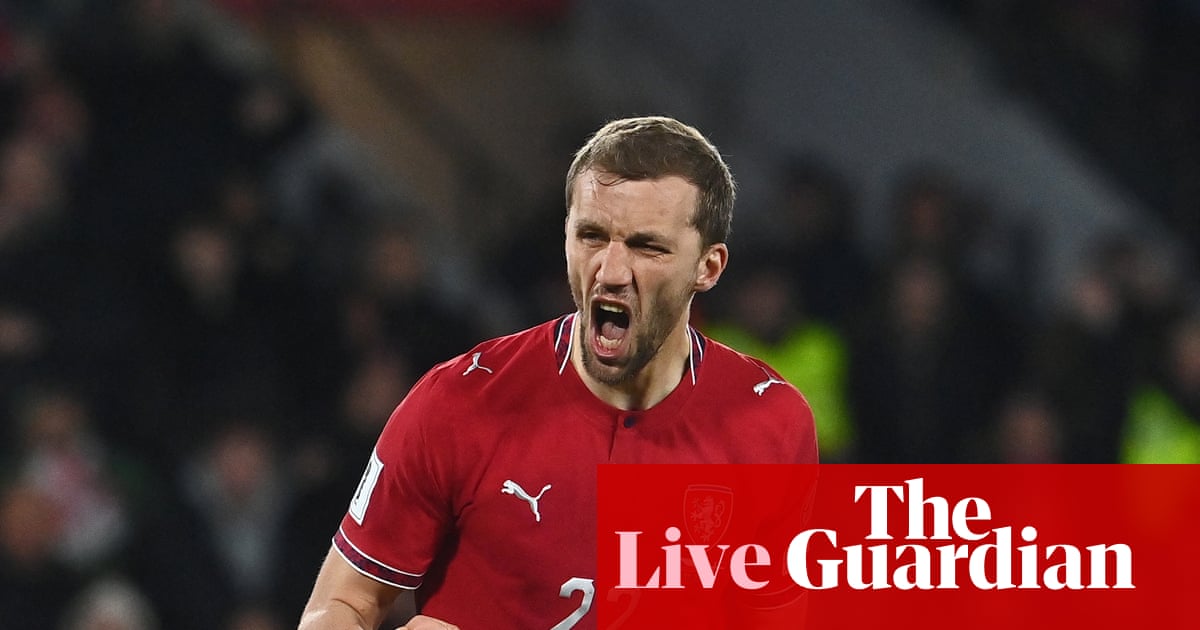
Night of the long knives in Europe
Tonight in Solna, the Swedish tactical setup looked like a house of cards that refused to collapse. Watching them edge past Poland in a 3-2 thriller, it became obvious that the gap between established footballing nations and the hungry mid-tier is thinner than a referee's match-day program. Poland brought physical intensity, but they were consistently caught out by wide overloads.
The defensive transition work from Sweden was sloppy for long stretches. Letting in two goals against a Polish front line that has struggled for rhythm all campaign suggests that deep into the quarter-finals of this bracket, whoever keeps a clean sheet is going to Qatar. Or rather, to wherever these final spots are truly decided this cycle.
Prague and Prishtina deliver the chaos
Meanwhile, the Czech Republic holding Denmark to a 2-2 draw in Prague serves as a stark reminder of home-field advantage factors that analytics models consistently underrate. The Danes looked stunned by the verticality of the Czech counter-attacking play in the opening half-hour. When their press broken, their defensive line was left hanging in open space.
In the Kosovo against Turkey fixture, the 0-1 result feels like a robbery. Kosovo controlled long phases of possession and dictated space in the middle third through disciplined shifting. Turkey survived on a singular moment of individual brilliance, a recurring theme in these high-stakes knockouts where tactical discipline is often sacrificed for frantic punts forward in the final ten minutes.
As The Guardian reported earlier today, these playoff atmospheres are turning into pressure cookers. When you see stadiums vibrating with this level of noise, the technical quality of passing chains inevitably drops by ten percent. Professionals turn into panicked teenagers once the clock passes the seventy-minute mark and the aggregate score remains deadlocked.
The squad depth myth
We keep hearing about how deep talent pools protect larger nations from these kinds of upsets. That thesis ignores the fatigue factor. Most of these starters have been playing heavy minutes in domestic leagues that show zero mercy regarding scheduling. By the time they don the national shirt in March, the legs are heavy, and the tactical sharpness is diluted by physical exhaustion.
Watching the Polish backline scramble against a standard Swedish press, it was clear that top-tier athleticism isn't a substitute for coherent structural organization. If you aren't drilled to handle a simple overlap, no amount of market value, as tracked in analyses like recent industry breakdowns, will save your post-season dreams.
The upcoming quarter-final rounds in the Champions League, starting April 07, are going to feel like a vacation by comparison for the players involved. Tonight was about survival, not aesthetics. The coaches who trusted their low-block units fared better than those trying to play expansive possession games on pitches that were clearly chewed up by the pre-match rain.
There is no hiding in a single-leg knockout format, something the Turkish national team learned the hard way despite the win. They were tactically outplayed for large portions of the match in Pristina. They advanced through sheer grit, not because their high-pressing system functioned as designed.
If Sweden continues to concede at this rate, they will be out by the next stage regardless of their attacking output. You cannot expect to score three goals every time you walk onto the pitch. Consistency in the defensive third remains the only currency that matters in tournament football. Everything else is just noise.
Nike Mercurial Lite Soccer Shin Guards
Ultra-thin protection for the fastest players on the field.
Frequently Asked Questions
Why are elite football nations struggling in World Cup qualifiers?
How does crowd noise affect player performance during high-stakes matches?
What led to Poland's defeat against Sweden?
How did external factors impact the Czech Republic versus Denmark game?
Does squad talent depth protect larger nations from upsets?
More Coverage

Top 10: Definitive Penalty Moments in Modern Football
2 hours ago
Top 10: Defining Football Moments of the 2025-26 Season
6 hours ago
Top 10: The Defining Moments of the 2025/26 English Football Season
7 hours ago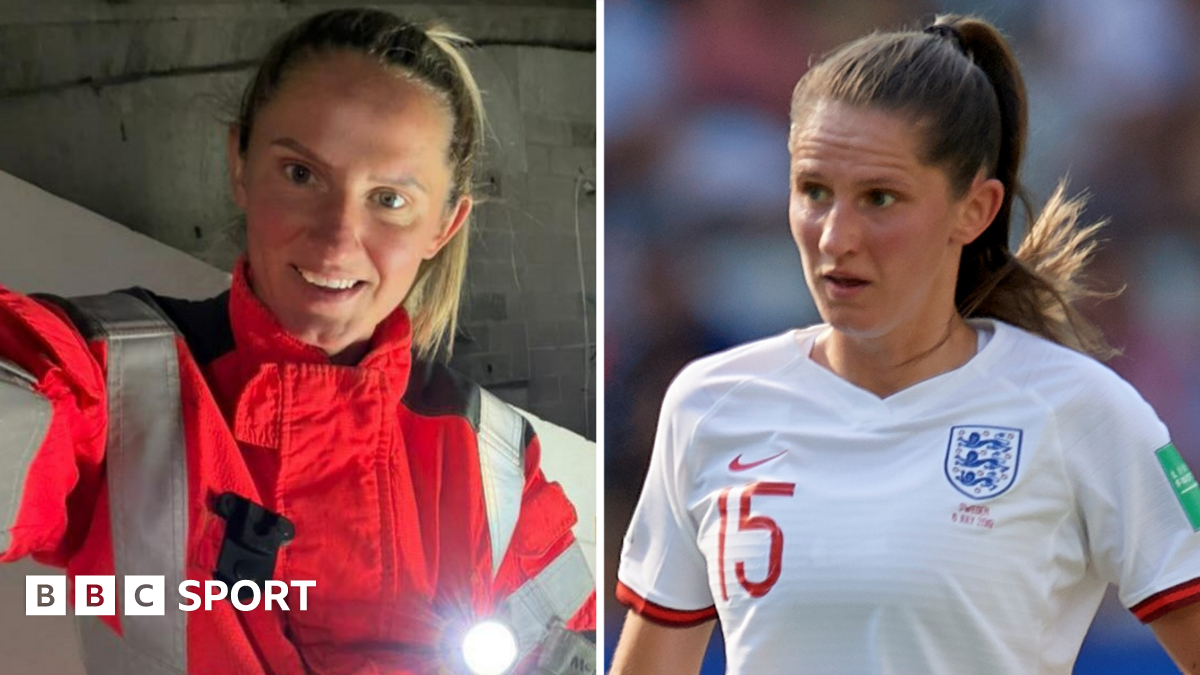
The post-football career pivot is the smartest move a veteran can make
13 hours ago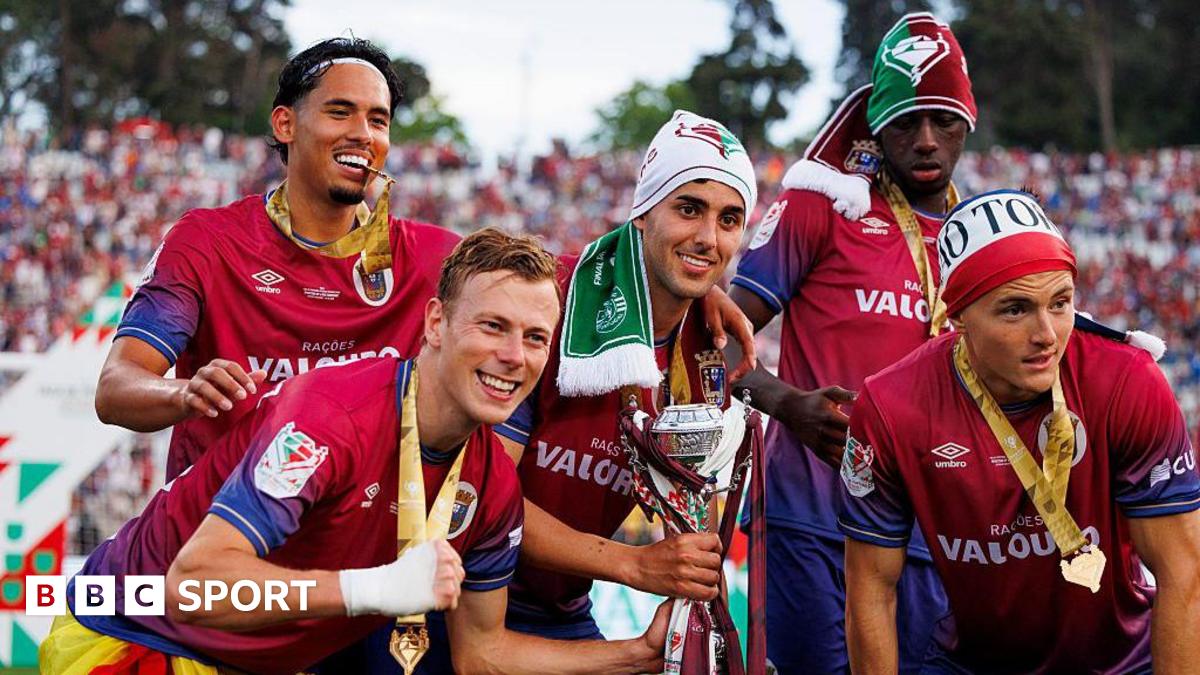
Top 10: The Most Audacious Moments in Modern Football
15 hours ago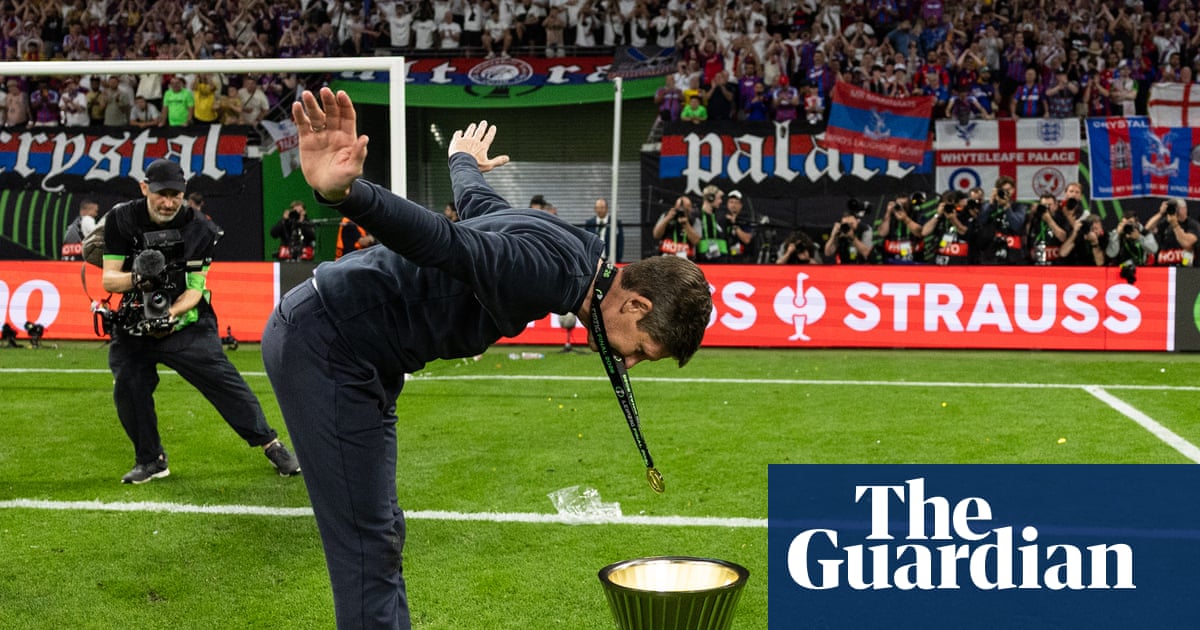
Crystal Palace's unlikely European title exposes the modern speed gap
16 hours agoMore Analysis

Czechia's path back to the World Cup is defined by resilience, not flair
3 days ago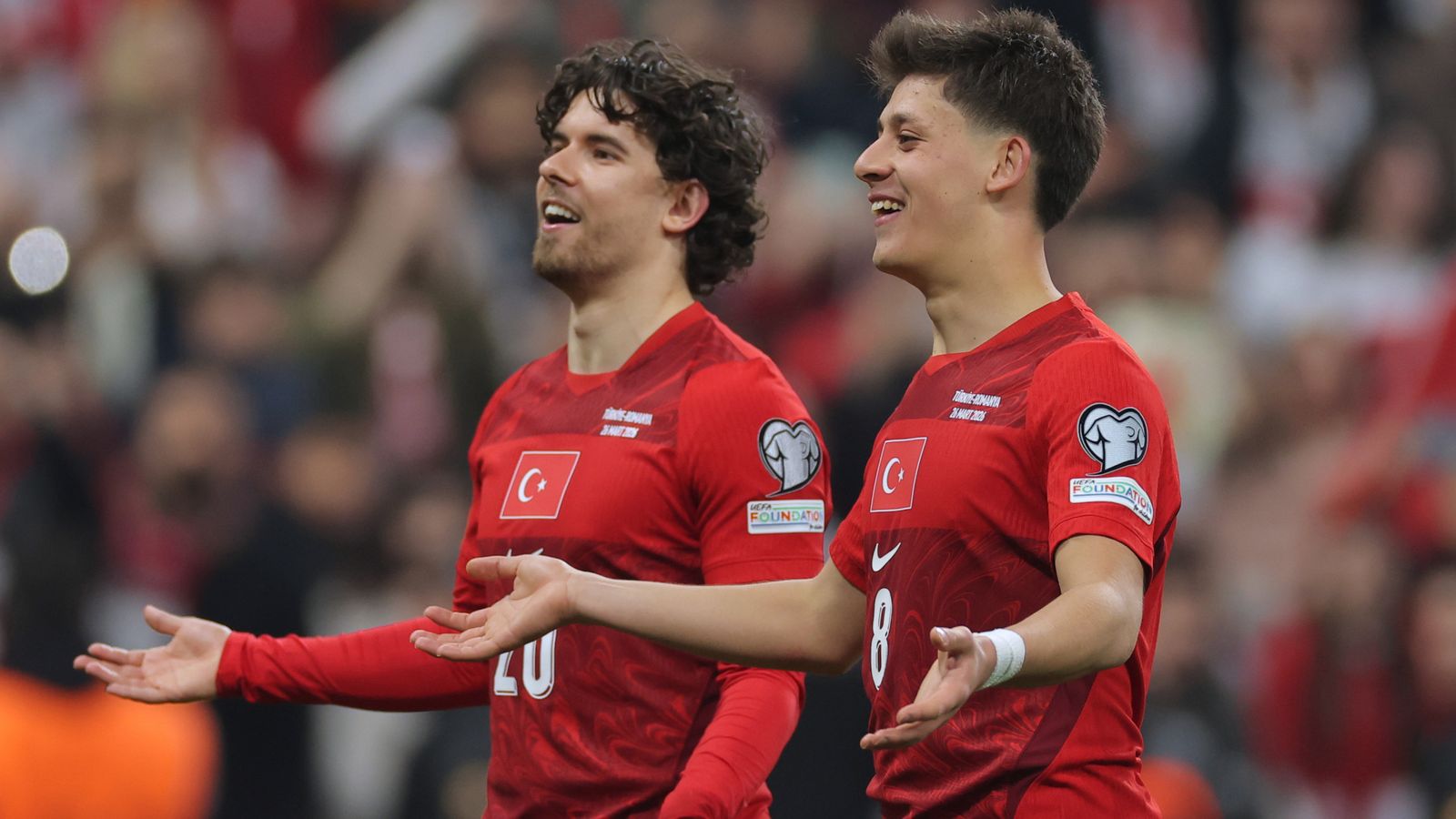
World Cup Play-Offs: Europe's Last Dance and the Global Scramble for Qatar
2 months ago
Graham Potter and Craig Bellamy face a brutal World Cup playoff reality
2 months ago
England are auditioning while Europe fights for its life
2 months agoThe World Cup bracket is a house of cards waiting to collapse
1 day, 10 hours ago