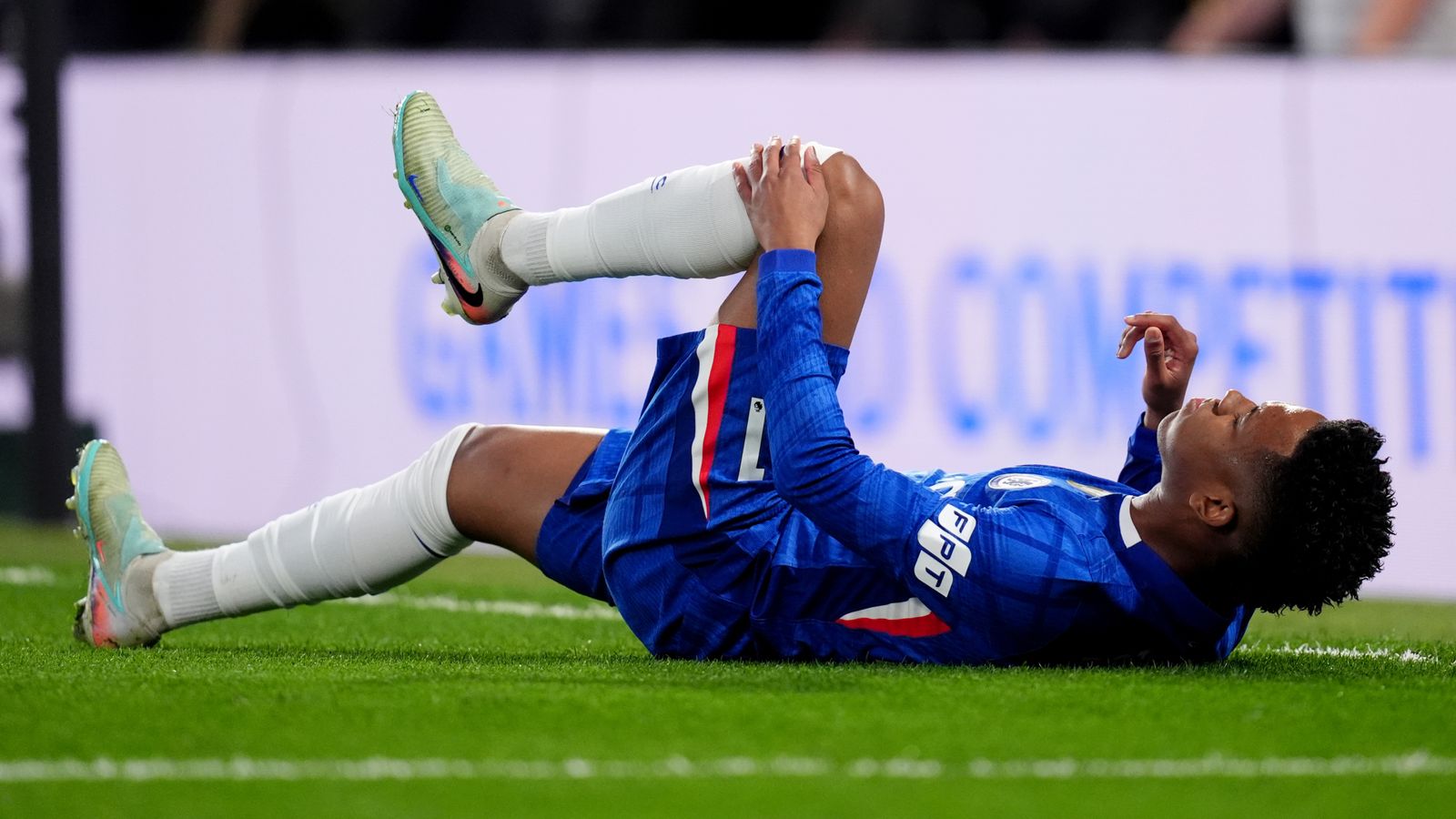
Diego Luna is making it impossible for Mauricio Pochettino to ignore him

The pocket player problem
Fifty-two days. That is the timeline remaining until the lights go up at SoFi Stadium for the opening kick of the 2026 World Cup. For most of the United States Men’s National Team roster, the bags are already packed. You know the names. You know the floor and the ceiling of the usual suspects. But this weekend in MLS provided a necessary jolt to the narrative that the roster is a closed shop.
Diego Luna is no longer just a prospect with a high ceiling and a distinctive hairstyle. He is a tactical solution to a problem Mauricio Pochettino hasn't quite solved yet. As reported today by The Guardian, Luna is making his strongest case yet for a spot on the plane. It is a remarkable turnaround for a player who, twelve months ago, seemed like a locked-in favorite before drifting toward the periphery of the senior camp.
The argument for Luna isn't about raw pace or the physical profile that typically attracts international scouts. It is about the specific gravity he exerts on a game from the half-spaces. In a 48-team tournament where the US will likely face low blocks in the group stages, you need a player who can operate in a phone booth. Luna doesn't just pass the ball; he manipulates the defensive line, pulling central defenders out of position with subtle feints that open lanes for the vertical runners like Pulisic or Weah.
The Pochettino pivot
Pochettino’s early tenure has been defined by a demand for high-intensity pressing and physical robustness. This initially seemed to work against Luna, whose defensive work rate has been questioned in the past. However, the technical level Luna displayed this weekend suggests he has integrated the physical demands of the modern game into his creative toolkit. He is no longer waiting for the ball to find him in the final third. He is dropping into the double pivot to initiate transitions, showing a maturity that was missing during his more erratic stretches in 2025.
The competition for these final creative spots is brutal. You have the European-based contingent fighting for every minute of league play, but Luna has the advantage of rhythm. He is playing 90 minutes every week. He is the focal point of an attack. There is a specific technical sharpness that comes from being the man everything flows through, and Pochettino would be wise to value that over a player who has spent the last three months rotting on a bench in the Bundesliga or Serie A.
Critics will point to the level of opposition, but that argument holds less weight in 2026. The technical floor of MLS has risen significantly, and the pressure on Luna is immense. Every touch is scrutinized by a domestic audience desperate for a local hero to emerge. Luna’s ability to remain composed under that spotlight is perhaps the most underrated aspect of his resume. He has developed a thick skin that will be essential when the pressure of a home World Cup reaches its inevitable boiling point.
The Messi dependency in Miami
While Luna was making a case for his future, Lionel Messi was once again covering up the cracks in Miami’s present. It is a familiar script. Miami looks disjointed, the midfield loses its shape, and then the greatest player in history produces a moment of individual brilliance to secure the points. This weekend was no different. Messi saved Miami again, but the underlying numbers should be a source of genuine concern for Tata Martino as the playoffs loom on the horizon.
The defensive transition in Miami is nonexistent. When they lose the ball, they aren't just vulnerable; they are exposed. They are relying on a high-wire act where they simply hope to outscore the opposition through sheer individual quality. In a league with increasingly sophisticated tactical setups, that is a dangerous gamble. You can’t expect an aging superstar to bail out a disorganized backline every Saturday, especially when the travel and humidity of the North American summer begin to take their toll.
Miami’s current structure places an enormous burden on their holding midfielders. They are asked to cover vast expanses of grass because the front three offer almost zero defensive output. It works in the regular season because the talent gap is often wide enough to bridge the tactical divide. But in a knockout environment, those gaps will be exploited by teams with the discipline to sit deep and strike on the counter. The "Messi save" is a great headline, but it is a poor long-term strategy.
The Columbus collapse
Equally concerning this weekend was the continuing trend of the Columbus Crew failing to see out games. For a team that has been the gold standard for tactical discipline in MLS over the last few years, their recent inability to hold a lead is a baffling regression. They aren't just losing points; they are losing their identity as a side that controls the tempo of a match through possession.
The issue appears to be a mix of tactical fatigue and a lack of depth in the defensive rotations. Wilfried Nancy’s system is notoriously demanding, requiring constant movement and high-level decision-making. When the legs go in the 75th minute, the system starts to fray at the edges. The gaps between the lines grow, the press becomes disconnected, and suddenly a team that looked in total control is hanging on for dear life. It is a recurring nightmare for Crew fans that Pochettino will be watching closely as he evaluates domestic defensive options.
There is a lesson here for the national team as well. International football is often decided in the final fifteen minutes when tactical systems break down and games become a test of pure will. If the best-drilled team in MLS can’t hold a lead, it suggests a broader issue with game management that could haunt the USMNT in June. You need leaders on the pitch who can slow the game down, draw the foul, and kill the clock. At the moment, those players seem to be in short supply across the domestic landscape.
The final roster squeeze
As we approach the final selection, the debate will shift from talent to fit. Pochettino doesn't just need the 26 best players; he needs the right 26 players. This is where Diego Luna becomes such a compelling option. He offers a different look off the bench—a change of pace and a change of philosophy. If you are chasing a goal against a disciplined European side that has parked the bus, Luna is the locksmith you want on the field.
The negative observation that must be made, however, is the lack of defensive versatility in the current pool of creative midfielders. If you take Luna, you are essentially saying you will commit to an offensive philosophy even when defending a lead. There is no "defensive" version of Diego Luna. He is an all-or-nothing selection. For a manager like Pochettino, who values balance above almost everything else, that might be the one thing that keeps Luna at home.
We also have to consider the psychological impact of the home crowd. The pressure will be unlike anything these players have ever experienced. Some players thrive in that environment; others wilt. Luna has shown a penchant for the dramatic, a desire to be the man in the big moment. That intangible quality might be worth more than a few percentage points of pass completion or defensive recoveries. You need "big game" players, and Luna is starting to look like he belongs in that category.
Looking toward the UCL semifinals
While the MLS contingent is fighting for roster spots, the elite of the US pool are preparing for the Champions League semifinals in just eight days. The contrast in environments is stark. On one hand, you have Luna battling in the trenches of MLS; on the other, you have the stars of the squad playing at the highest level of world football. This duality is the strength of the 2026 cycle, but it also creates a massive headache for the coaching staff who have to mesh these two worlds together.
The next few weeks will be the most scrutinized period in the history of American soccer. Every goal, every mistake, and every tactical shift will be dissected. Diego Luna has thrown down the gauntlet. He has proven that he can dominate his current environment. Now the question is whether Pochettino believes that dominance can translate to the biggest stage in the world. The 48-team format means there is room for a wildcard, and Luna is the most interesting wildcard in the deck.
Ultimately, the roster will likely come down to the final weekend of the domestic season. Pochettino has shown he isn't afraid to make bold calls, and leaving Luna out would certainly be one of them. But if he wants a player who can unlock a defense with a single touch, a player who isn't afraid of the spotlight, and a player who is currently in the form of his life, the choice is becoming clearer by the day. Diego Luna is making his case, and it is a case that is increasingly hard to argue against.
Read Next
- Arsenal's Champions League survival depends on one violent matchup
- Man Utd's €50m Target: Is Angelo Stiller the Midfield Fix?
- Top 10: Factors in the Shocking Premier League Relegation Race
- Haaland and Gabriel are turning the Champions League into a heavyweight brawl
- 🏆 World Cup 2026 — Full Coverage Hub
- 🇦🇷 Argentina World Cup 2026 — Defending Champions Hub
EA Sports FC 24 (Standard Edition) - PlayStation 5
The ultimate digital pitch where you build your dream squad and own the Premier
Frequently Asked Questions
When does the 2026 World Cup begin for the USMNT?
Why is Diego Luna being considered for the USMNT roster?
How has Diego Luna adapted to Mauricio Pochettino's system?
What specific skills does Diego Luna bring to the USMNT?
Why might MLS experience give Diego Luna a roster advantage?
More Coverage

Why England must fear Panama's disciplined low block
35 minutes ago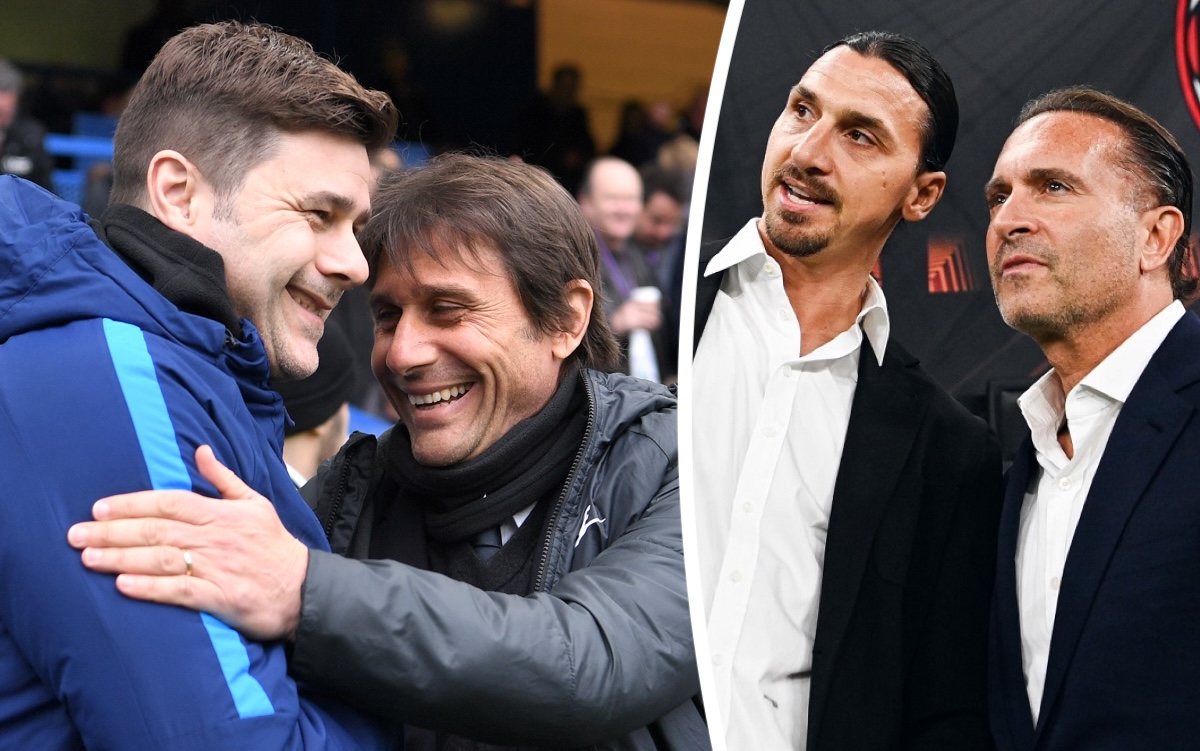
Why AC Milan courting Mauricio Pochettino is a massive gamble
3 hours ago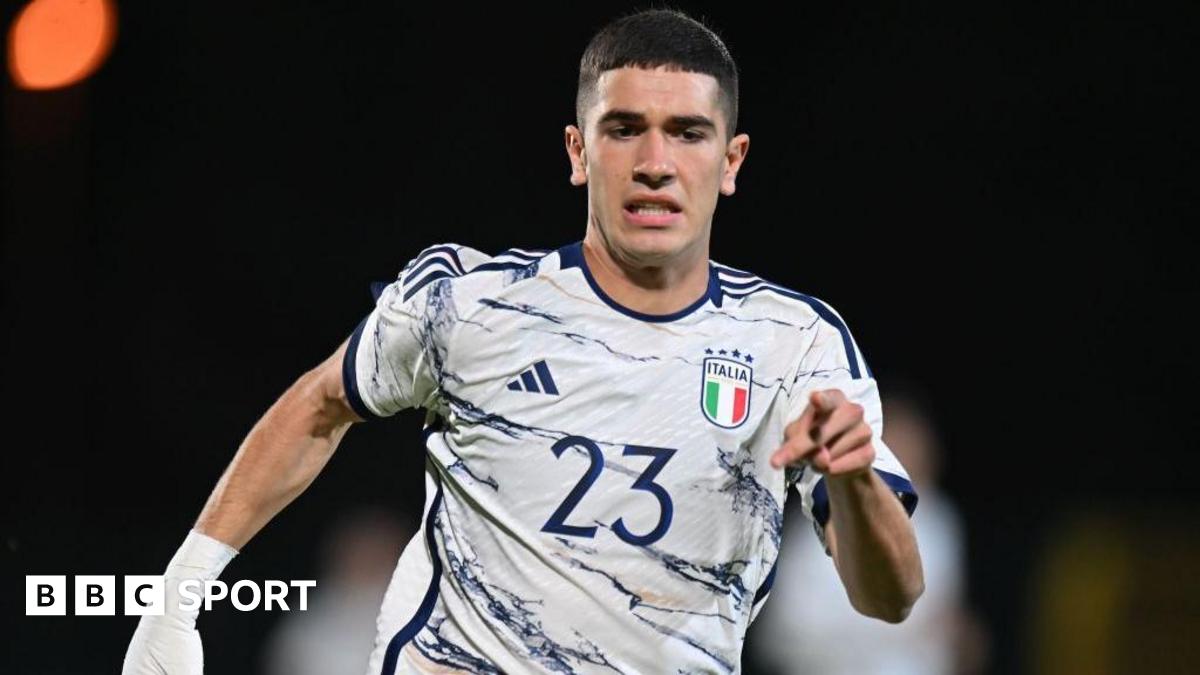
Cristian Volpato makes a high-stakes call ahead of the World Cup
9 hours ago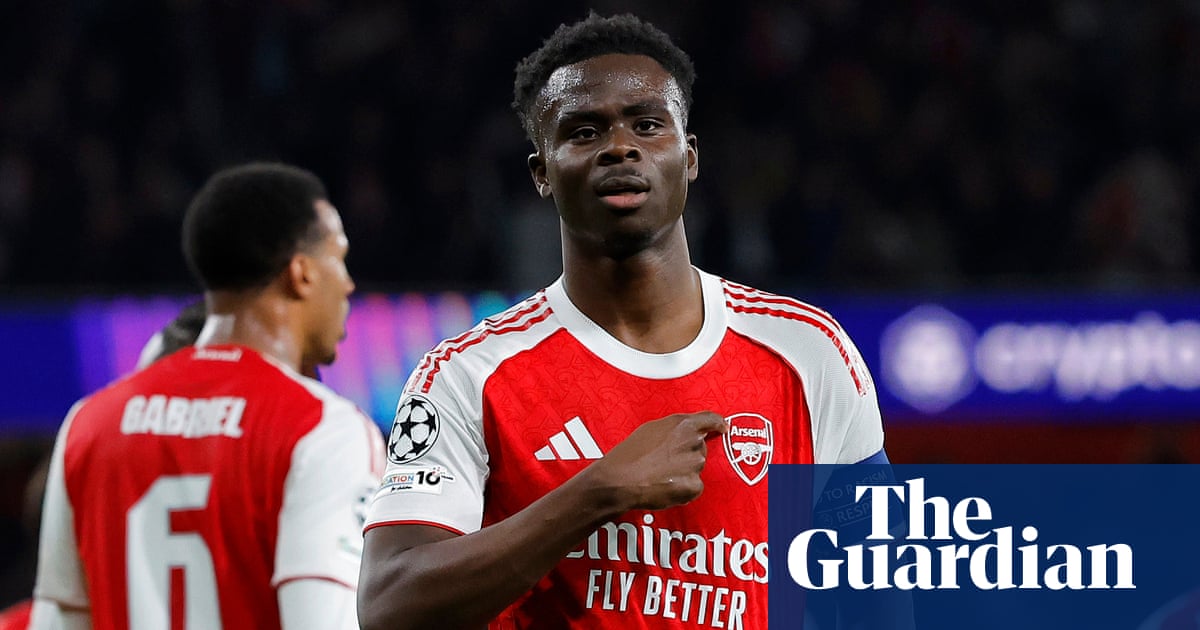
Arsenal and England breathe sigh of relief as Bukayo Saka manages training load
9 hours ago
Neymar's World Cup status in doubt after training camp medical emergency
11 hours ago
Pochettino moving to Milan mid-cycle is a dereliction of duty
12 hours agoMore Analysis

USMNT roster snub leaves Real Salt Lake reeling before their next kick
4 days, 10 hours ago
Pochettino's USMNT midfield gamble is already under fire
2 days, 7 hours ago
Pochettino's USMNT reality check is the wake-up call a naive squad needs
4 weeks, 1 day ago
Pochettino's USMNT roster choices are a calculated gamble
2 days, 12 hours ago
Pochettino is running out of time to fix the USMNT
2 months ago