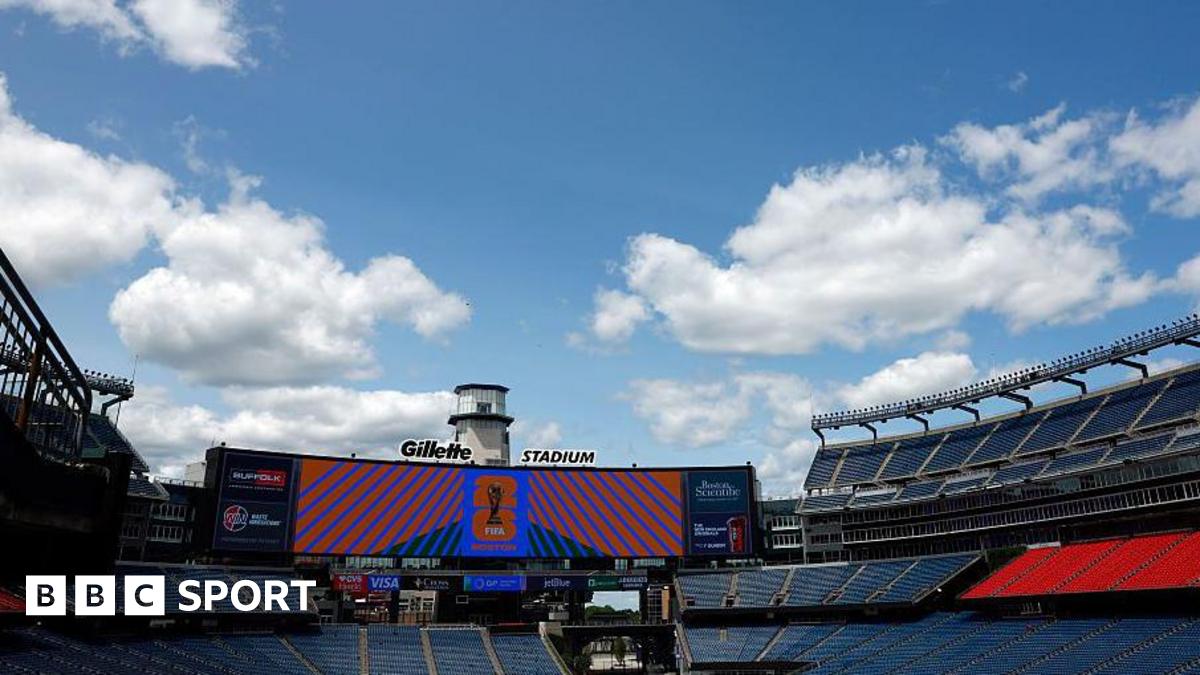
How Philly and Atlanta are saving the World Cup from hotel grifters
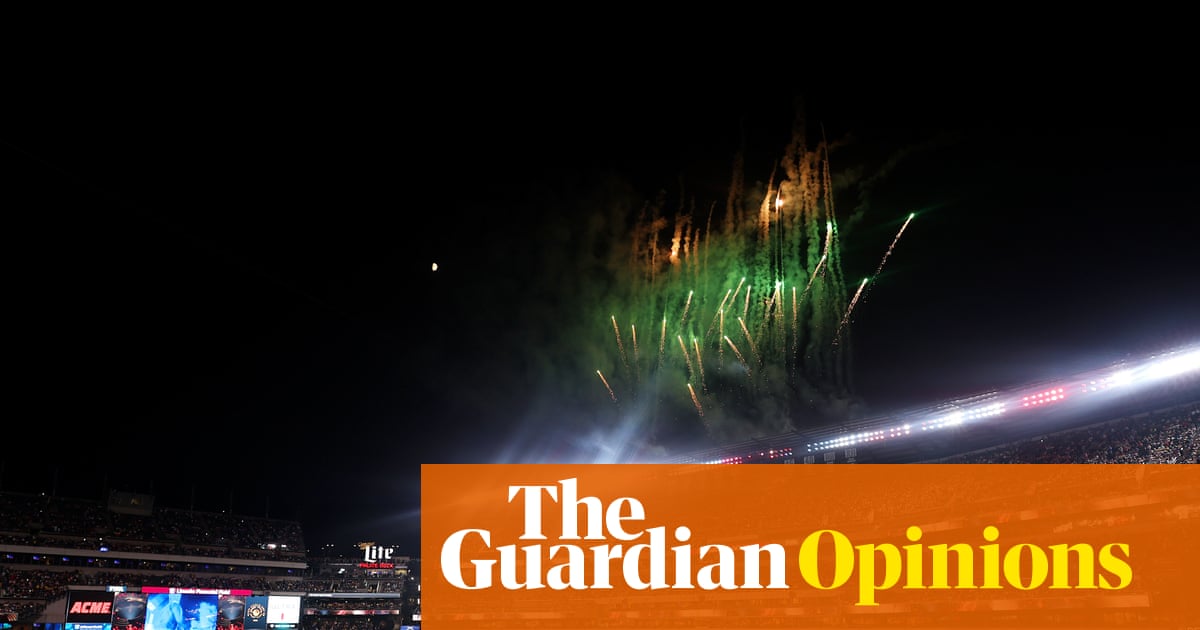
The high line of host city economics
We are exactly 22 days away from the opening fixture of the 2026 FIFA World Cup. If you look at the secondary ticketing markets or hotel aggregator sites for Miami or Los Angeles right now, you will see a defensive formation designed entirely to extract maximum capital from traveling supporters. It is a high press of aggressive pricing.
Hotels in New Jersey are sitting deep and countering with $900 nightly rates for rooms that usually command a fifth of that. Miami is operating a chaotic, unregulated man-marking system where local landlords are turfing out long-term renters to chase the short-term Airbnb windfall. This is the default setting for modern mega-events. The assumption is that price gouging is a natural law of physics, as inevitable as a low block from a relegation-threatened side away from home.
But it is not inevitable. It is a choice.
According to recent reporting from The Guardian, a fascinating tactical divergence is happening across the host cities. While the coastal hubs are perfectly happy to bleed tourists dry, a different strategy is emerging in Philadelphia, Kansas City, and Atlanta. These cities have looked at the expected influx of millions of fans and decided against the aggressive financial press.
They are proving that a host city can accommodate the circus without entirely abandoning the core demographic of the sport: the normal, match-going fan.
Atlanta’s deep block against inflation
Atlanta has always been an outlier in American sports pricing logistics. When Mercedes-Benz Stadium opened, the ownership group made a highly publicized, deeply intentional decision to slash concession prices. Two-dollar hot dogs. Refillable sodas for peanuts. The prevailing logic in the sports industry was that they were leaving millions on the table.
Instead, volume offset the margin. Fans arrived earlier, stayed longer, and spent more overall because they did not feel actively insulted by the transaction. Now, with the World Cup arriving in three weeks, Atlanta is applying that same low-block philosophy to the broader civic footprint.
The city center has dense, walkable hotel capacity. The transit links from the airport to the stadium are direct and functional. Rather than allowing localized monopolies to form around the stadium radius, the local organizing committee has worked to cap certain hospitality rates and ensure transit options remain running late into the night. They are denying the space that price-gougers usually operate in.
If you force fans to rely on rideshare apps at midnight after a quarter-final, surge pricing will operate like a devastating counter-attack. By keeping the trains running and flooding the zone with affordable transit, Atlanta neutralizes the threat. It is basic, effective defensive positioning.
The Philadelphia pivot
Philadelphia is playing a different game. They have spotted an opening in the channel and are making a run. The Guardian noted that the city views this tournament as a chance to burnish its reputation as a pleasant, manageable East Coast destination. That is a sharp bit of civic positioning.
New York and New Jersey, hosting the final on July 19, are relying on their sheer gravity. They do not have to try. The tourists will come, they will pay the exorbitant fees, and they will leave exhausted and broke. Philadelphia recognizes that it cannot compete on pure spectacle, so it is competing on friction.
Or rather, the lack of it.
The tactical setup here involves creating fan zones that do not charge entry fees masquerading as 'VIP experiences'. The local hotel consortiums seem to have realized that charging a reasonable premium, rather than an extortionate one, guarantees high occupancy without the reputational damage that inevitably follows a tournament. They are keeping their shape.
It is a refreshing departure from the Qatar 2022 model, where the scarcity of accommodation was weaponized to force fans into sterile, over-priced container villages. Philadelphia is simply allowing its existing urban grid to absorb the shockwave of the tournament, without raising the drawbridge.
Kansas City and the midfield battle
Then we have Kansas City. Geographically isolated from the other clusters, it faces a unique logistical challenge. If you are traveling to KC for a group stage match, you are not casually catching a train up the coast the next morning. You are committed to the location.
Historically, this kind of isolation allows for aggressive monopolistic pricing. The host city knows you have nowhere else to go. Yet, Kansas City is actively suppressing the urge to gouge. They are relying on a broad distribution of accommodation out into the suburbs, relying on temporary transit solutions to bring fans into the urban core.
By widening the pitch, they dilute the density of the demand. If fans can easily stay thirty miles outside the city and commute in via subsidized match-day shuttles, the downtown hotels lose their leverage. The prices have to drop to stay competitive. It is a brilliant way to stretch the play and create gaps in the inflation.
The failure of the governing body
This brings us to the necessary, miserable reality of the situation: none of this is mandated by FIFA. The global governing body has completely abdicated any responsibility for the financial welfare of the traveling supporter.
FIFA operates entirely in the final third. They care about the VIP suites, the broadcast compound, and the corporate hospitality tents. The logistics of where a fan from Colombia or Japan sleeps, or how much they pay for a sandwich outside the security perimeter, is entirely outside their tactical purview.
They enforce rigid, draconian rules about trademark infringement in the fan zones. If a local vendor tries to sell an unlicensed t-shirt within a two-mile radius of the stadium, FIFA’s legal team will close them down with the ruthless efficiency of a prime N'Golo Kanté. But if a hotel chain arbitrarily raises its rates by 600 percent for a Tuesday night group stage match, FIFA looks the other way.
It is a massive structural flaw in how these mega-events are organized. The governing body socializes the costs—demanding tax exemptions and massive public expenditure on stadium upgrades—while privatizing the profits. The fans are simply the raw material fed into the machine to generate atmosphere for the television broadcast.
A fractured experience
What this means for the tournament kicking off on June 11 is that there will be no unified World Cup experience. The geography of North America was always going to fracture the tournament into distinct regional blocks. But the economic disparity will make it feel like different sports entirely.
A fan following their team through the group stages in Philadelphia or Atlanta will likely return home exhausted but relatively intact financially. They will have experienced the tournament as a civic celebration, a chaotic but manageable festival.
A fan navigating the aggressive financial traps of Miami or Los Angeles will experience something much closer to a shakedown. Every transaction will feel like a battle for space in the penalty box. Every hotel booking will require defensive cover.
The Guardian’s reporting highlights that the choice exists. The fact that only a handful of cities are taking the fan-friendly route is an indictment of the wider sports tourism industry. It should not be a radical tactical innovation to simply treat supporters with a baseline level of respect.
As the clock ticks down to the opening match, the contrast between the cities will only become sharper. The football on the pitch will undoubtedly dominate the headlines once the whistle blows. But the real tactical masterclasses are currently happening in the city planning offices, deciding whether to defend the fan or join the attack on their wallet.
Read Next
LUX Sports Grip Socks - Anti Slip Soccer Socks
Pro-level grip technology to stop foot-slip inside your cleats.
Frequently Asked Questions
When does the 2026 FIFA World Cup officially begin?
Why are World Cup hotel prices so high in Miami and Los Angeles?
What host cities are protecting fans from World Cup price gouging?
How is Atlanta protecting soccer fans from hotel and travel monopolies?
What is the history behind Atlanta's affordable sports pricing?
More Coverage
Premier League summer transfer window 2026: Everything you need to know
a minute ago
A tightening financial leash on Premier League clubs
1 day, 11 hours ago
West Ham's £150 million math problem following relegation
1 day, 16 hours ago
Milan’s €20 million tactical failure against Cagliari
3 days, 3 hours ago
Why Mathieu Flamini is richer than Arsenal's entire title-winning squad
6 days, 4 hours agoWhy Argentina's World Cup title defense is doomed to fail
6 days, 19 hours agoMore Analysis
FIFA is already sleepwalking into a World Cup disaster
1 month, 1 week ago
FIFA's $100 train ticket is a middle finger to every football fan
1 month, 1 week ago
The 2026 World Cup 'unity' pitch is falling apart weeks before kickoff
1 month ago
World Cup 2026 is shaping up to be a logistical nightmare for fans
1 month, 3 weeks ago
Gianni Infantino is trying to sell us £1.5m World Cup tickets
3 weeks, 1 day ago