FIFA closes investigation into Shaun Evans
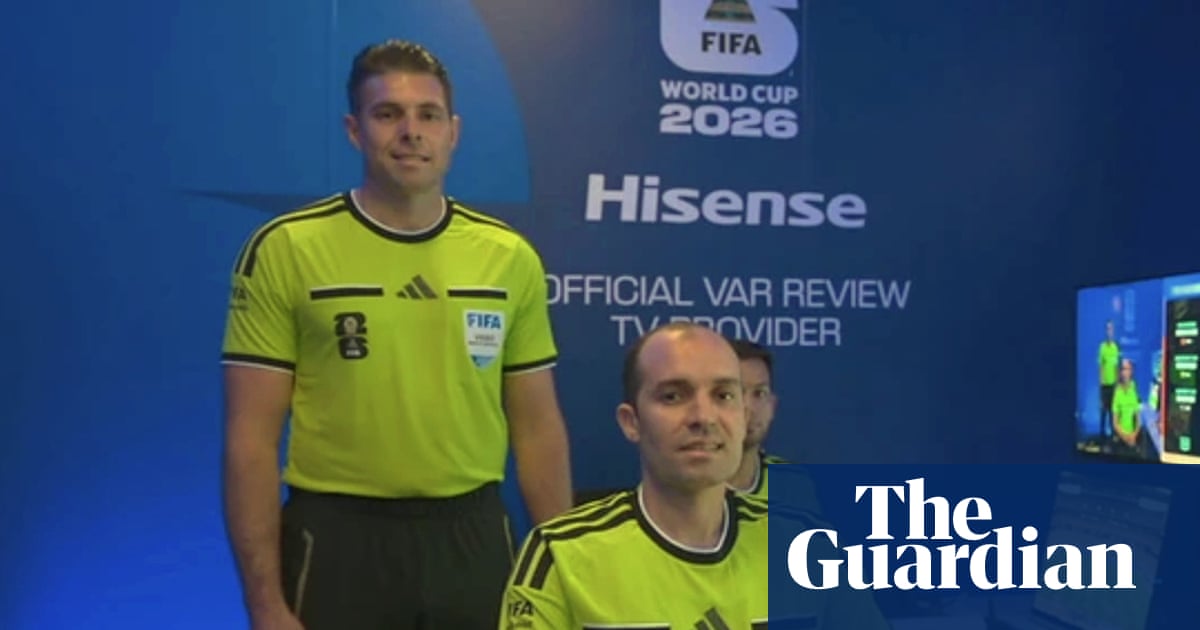
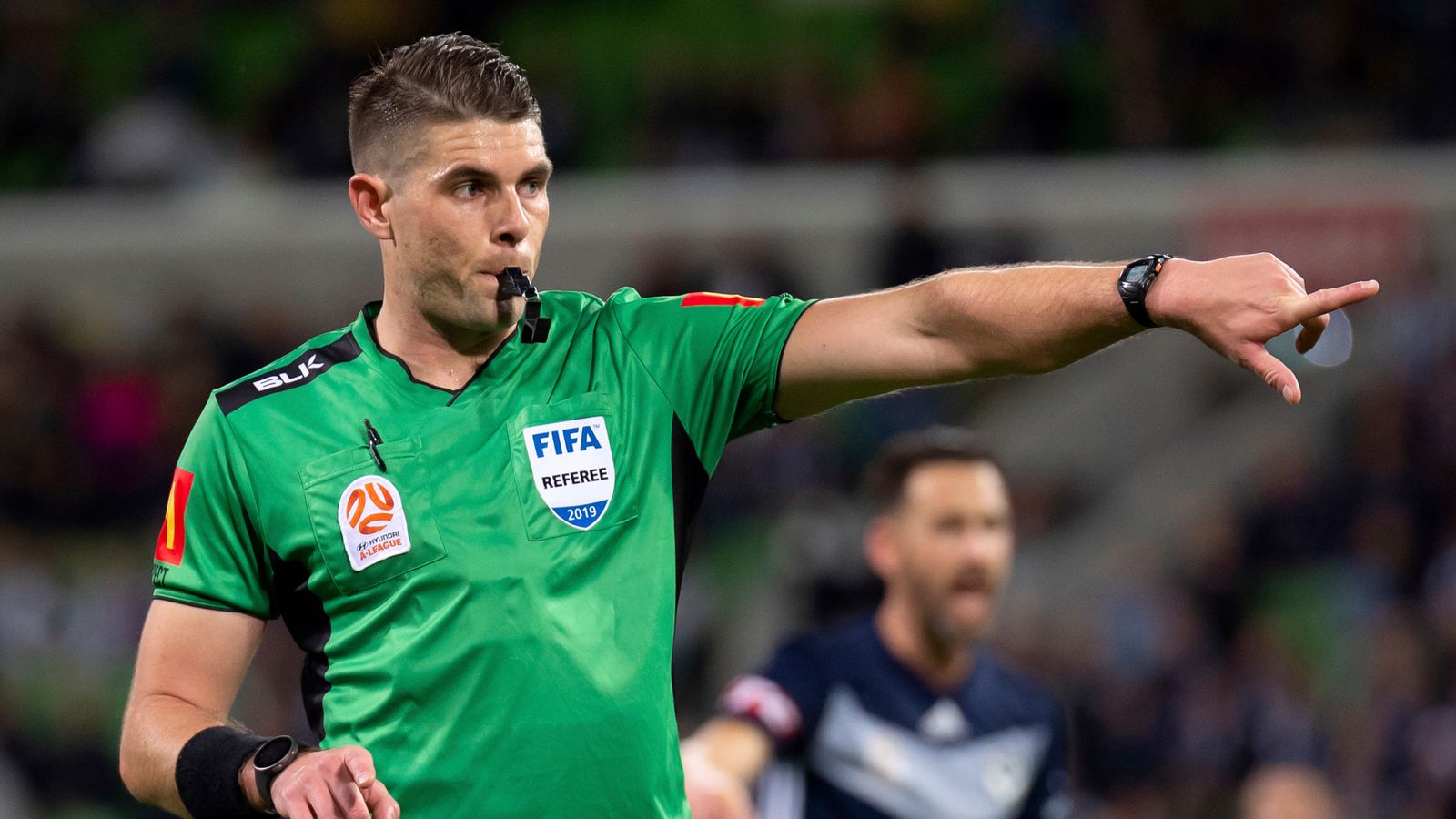
FIFA confirmed today that an internal review into Australian VAR official Shaun Evans cleared him of any wrongdoing. The investigation followed public claims regarding a gesture Evans made during a match earlier in the 2026 World Cup.
Critics had alleged the official performed a hand gesture linked to white supremacist ideology. The governing body reached its conclusion after a deep forensic analysis of broadcast footage from the fixture. Officials found no intent or correlation between the gesture and the hate symbols suggested on social media.
The standard for officiating clarity
Calls for Evans to be removed from the tournament roster gained momentum following a viral clip shared during the opening week of the 2026 World Cup. The scrutiny reached a fever pitch before Sky Sports reached out to FIFA for a formal statement on the matter. The delay in the resolution created a narrative of uncertainty around the officiating team.
This is not the first time FIFA has faced pressure to address the conduct of officials during high-stakes international windows. However, the speed of this clearance is notable compared to previous disciplinary protocols that often drag across multiple tournament stages. The speed of the findings suggests FIFA wanted this distraction eliminated immediately.
Broader implications for tournament operations
The impact of this inquiry ripples through how refereeing panels are curated for global stages. Officials operate under a microscope where every movement is scrutinized by thousands of home cameras. This creates an environment where a minor, misinterpreted physical tic can trigger international headlines.
Some analysts argue this pressure is now damaging the quality of the on-pitch product. If officials are constantly worried about being misidentified or taken out of context, their decision-making on key calls like penalties or red cards can suffer. Fear of the reaction often outweighs the objective assessment of the tactical play.
Historical context and past precedents
Previous tournaments have seen officials dismissed or sidelined for corruption, but cultural conduct remains a gray area with few clear precedents. FIFA guidelines on referee neutrality are strict, yet enforcing them in a global age requires a balance of discretion and vigilance. Critics have pointed out that while this case was dismissed, the process of investigating these claims remains opaque to the public.
The lack of transparency regarding how they actually investigated the specific frames of the video is a fair gripe. If there is a potential error in how they view these incidents, they are not sharing the methodology. That approach leaves the door open for future controversies whenever an official makes a gesture that is not immediately understood by the general public.
Performance markers
Shaun Evans remains a qualified referee on the FIFA Elite panel. Having been cleared, he is slated to continue his duties in the remaining matches. The turnover rate for officials this deep into a tournament typically follows a strict performance metric, meaning poor match calls are a bigger threat to their careers than social media campaigns.
Expect FIFA to continue emphasizing their zero-tolerance stance on discrimination. Whether they provide a more detailed breakdown of their review process in the coming days remains the lingering question. Ultimately, the governing body is focused on protecting the integrity of the remaining tournament schedule, which currently features 32 teams in the knockout stage conversation.
The pressure on teams to focus purely on football is rising. As managers remind their squads to ignore the noise, the officiating staff must practice the same discipline. The 2026 World Cup has proven that the digital reaction to a game is now just as influential as the refereeing decision itself. Going forward, FIFA may need to establish a more public-facing framework for these inquiries to avoid the vacuum of speculation that characterized the last 48 hours.