
VAR technology creates a culture of unintended consequences
The scrutiny of the subconscious
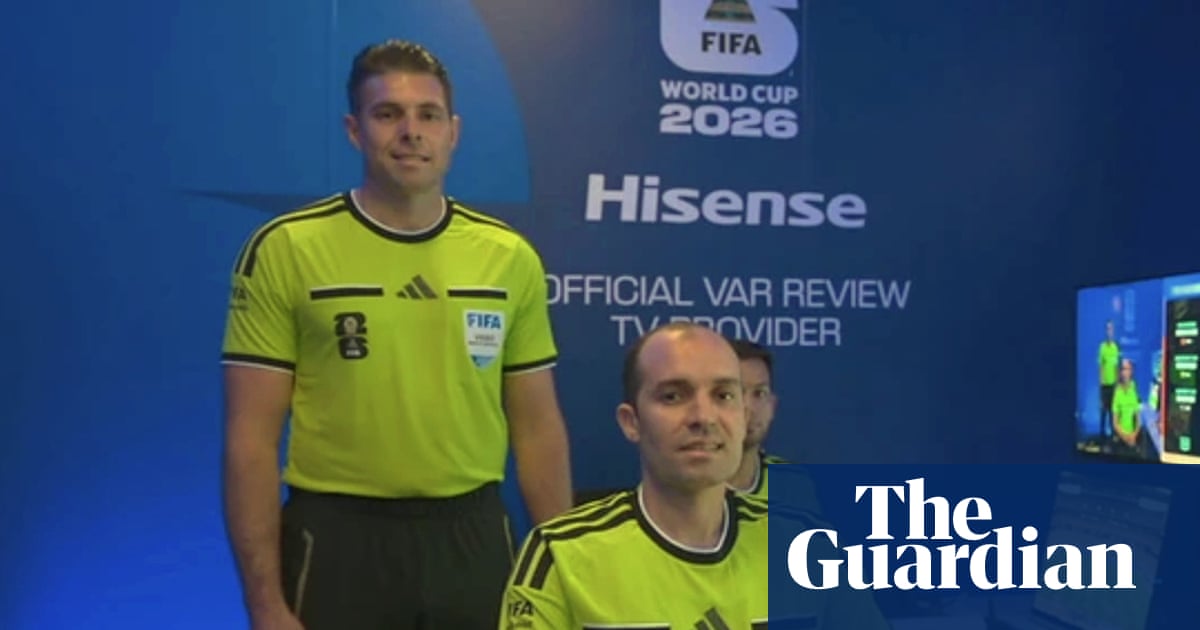
In the high-pressure environment of the 2026 World Cup, officials are now scrutinized not just for their interpretation of the laws of the game, but for their involuntary physical movements. FIFA officially cleared video assistant referee Shaun Evans yesterday, June 14, following accusations that he displayed a hand gesture associated with white supremacist groups during the tournament.
The move by the disciplinary committee brings a close to a controversy that threatened to distract from the on-field product. Evans stated that the motion was a 'subconscious twitch,' an explanation the governing body accepted after an investigation. Yet, the necessity of such an investigation highlights how far the VAR booth has moved from its original mandate of correcting clear and obvious errors.
The technological obsession
When FIFA introduced VAR official Shaun Evans to the global stage, the promise was one of objective precision. We were sold a system that would strip away the human element of bias and error to ensure the 1-0 scoreline reflected reality rather than a missed offside or a phantom foul. Instead, we have cultivated an environment where technology requires a legal team just to adjudicate a referee’s minor physical habits.
The intensity of the scrutiny reveals a modern fatigue with the current refereeing standard. Fans, players, and pundits are obsessed with the minutiae because the product is becoming increasingly sterilized. When a gesture caught on a high-definition monitor in a sterile room becomes a geopolitical firestorm, we have fundamentally lost the plot regarding the purpose of football officiating.
Missing the point of the game
The fixation on symbols and gestures detracts from the genuine technical failures that still plague the tournament. Take the inconsistent application of the semi-automated offside technology, which routinely stalls matches for 74 seconds while linesmen stare at computer-generated pixels. We are demanding perfection from officials while simultaneously creating technological hurdles that make their jobs impossible to perform in real-time.
There is a dangerous trend emerging where the focus shifts toward the optics of the booth rather than the accuracy of the decision. While the investigation into Evans concluded that no malice existed, the fact that an investigation was required at all reflects a broader breakdown in trust. We do not need our referees to be performative; we need them to be competent.
Defining incompetence
True incompetence in the box is the failure to identify a deliberate handball or a reckless tackle with the benefit of five different camera angles. By focusing on the optics of hand gestures, FIFA effectively ignores the systemic lack of transparency in how decisions are communicated to the crowd. A referee wiping sweat from his forehead or adjusting his headset should not be subject to a forensic digital analysis.
The scrutiny of Evans is a symptom of a larger, systemic frustration with the state of modern officiating. We have reached a point where the fear of public backlash is influencing the appointment of officials more than their actual proficiency with the laws of the game. If FIFA cannot trust its officials to handle the basics without constant, invasive digital monitoring of their body language, the entire system is failing.
Ultimately, the match officials remain human, operating under unprecedented pressure in a world of 4K lenses. Expecting them to maintain a rigid, machine-like posture while staring at a bank of screens is absurdity personified. FIFA would be better served focusing on the quality of the decisions that actually influence the final 90 minutes instead of policing the subconscious movements of their staff.
adidas Adult Tiro Club Shin Guards
Classic, low-profile protection for Sunday league warriors.
Frequently Asked Questions
What was the result of the investigation into Shaun Evans?
Why is the current use of VAR criticized in the article?
How does technology impact the flow of football matches?
What does the author consider true incompetence in refereeing?
What is the primary goal of the VAR system originally?
More Coverage

Iran's World Cup run is heading for an ugly exit
2 hours ago
Darwin Nunez and Uruguay face a total World Cup reality check
3 hours ago
FIFA's VAR handling is a PR disaster waiting to happen
6 hours ago
Football cannot stay silent while the streets outside the stadium roar
9 hours ago
FIFA clears VAR official Shaun Evans of conduct allegations
10 hours ago
FIFA's bizarre Under-15 pitch for peace
18 hours agoMore Analysis
FIFA's VAR handling is a PR disaster waiting to happen
6 hours ago
FIFA's new VAR rules could define the 2026 World Cup
2 weeks, 1 day ago
FIFA's 2026 rulebook is a chaotic mess for the opening kickoff
4 days, 15 hours ago
VAR official faces heat over offensive gesture at 2026 World Cup
20 hours ago
Anfield's VAR meltdown exposes the absurdity of officiating
2 months ago