The cost of integrity
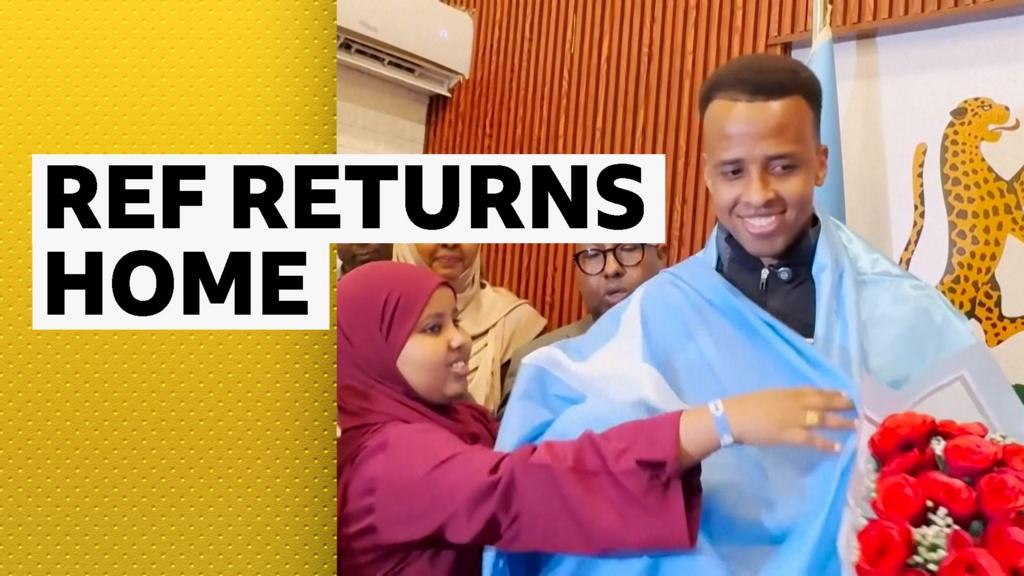
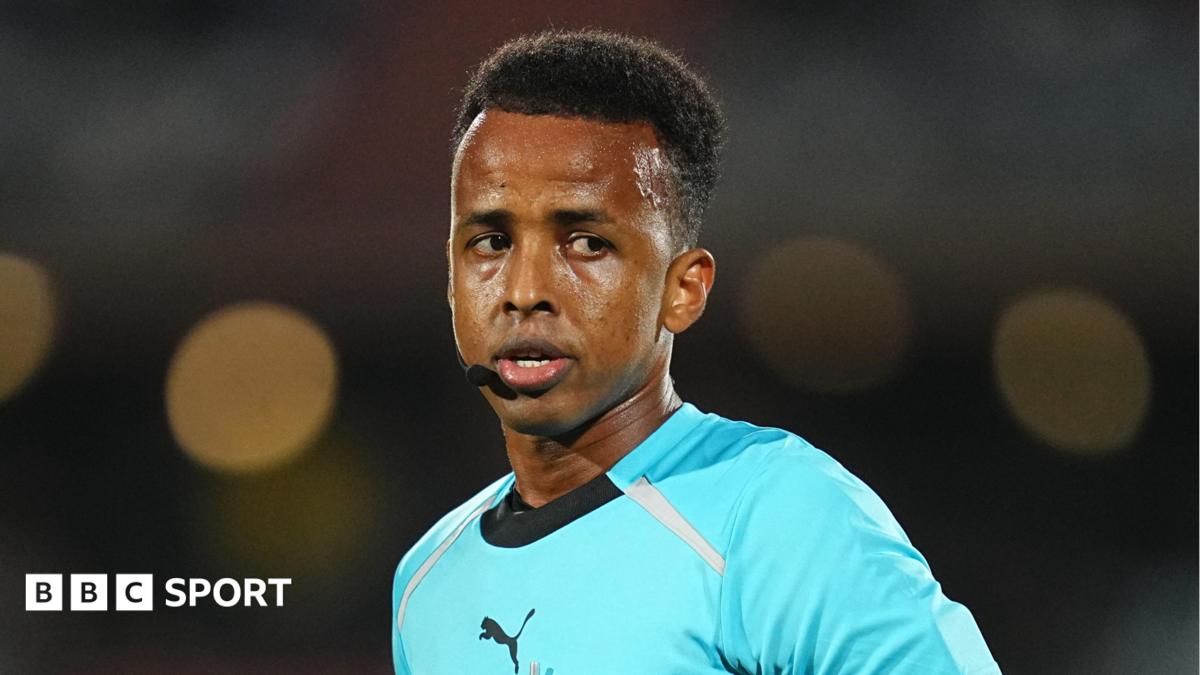
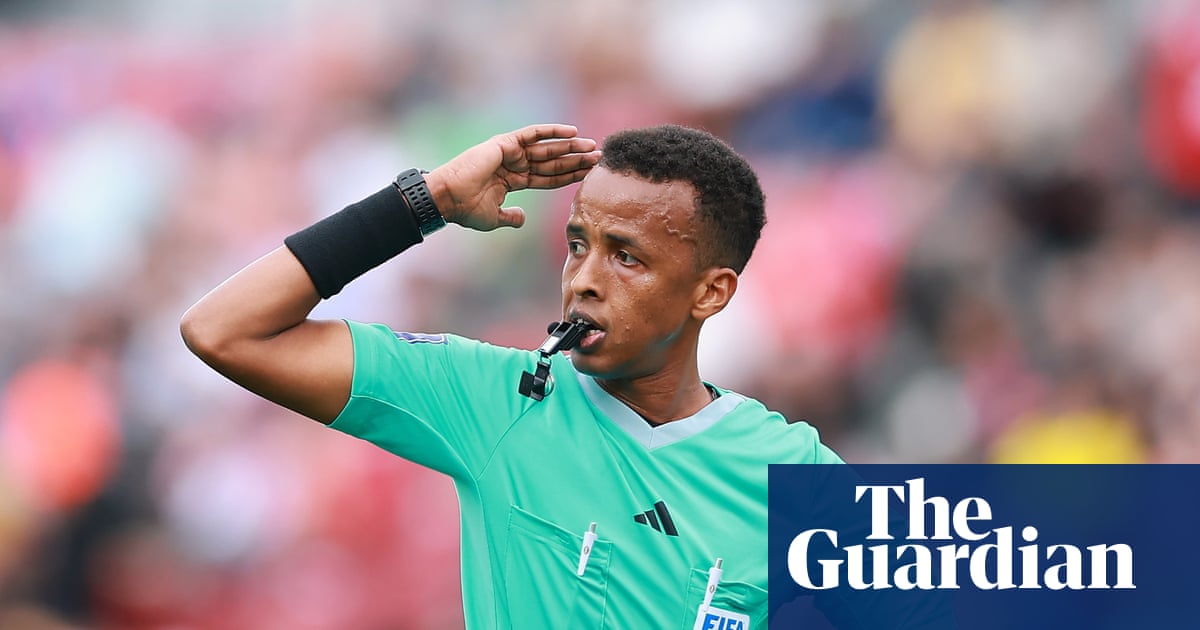
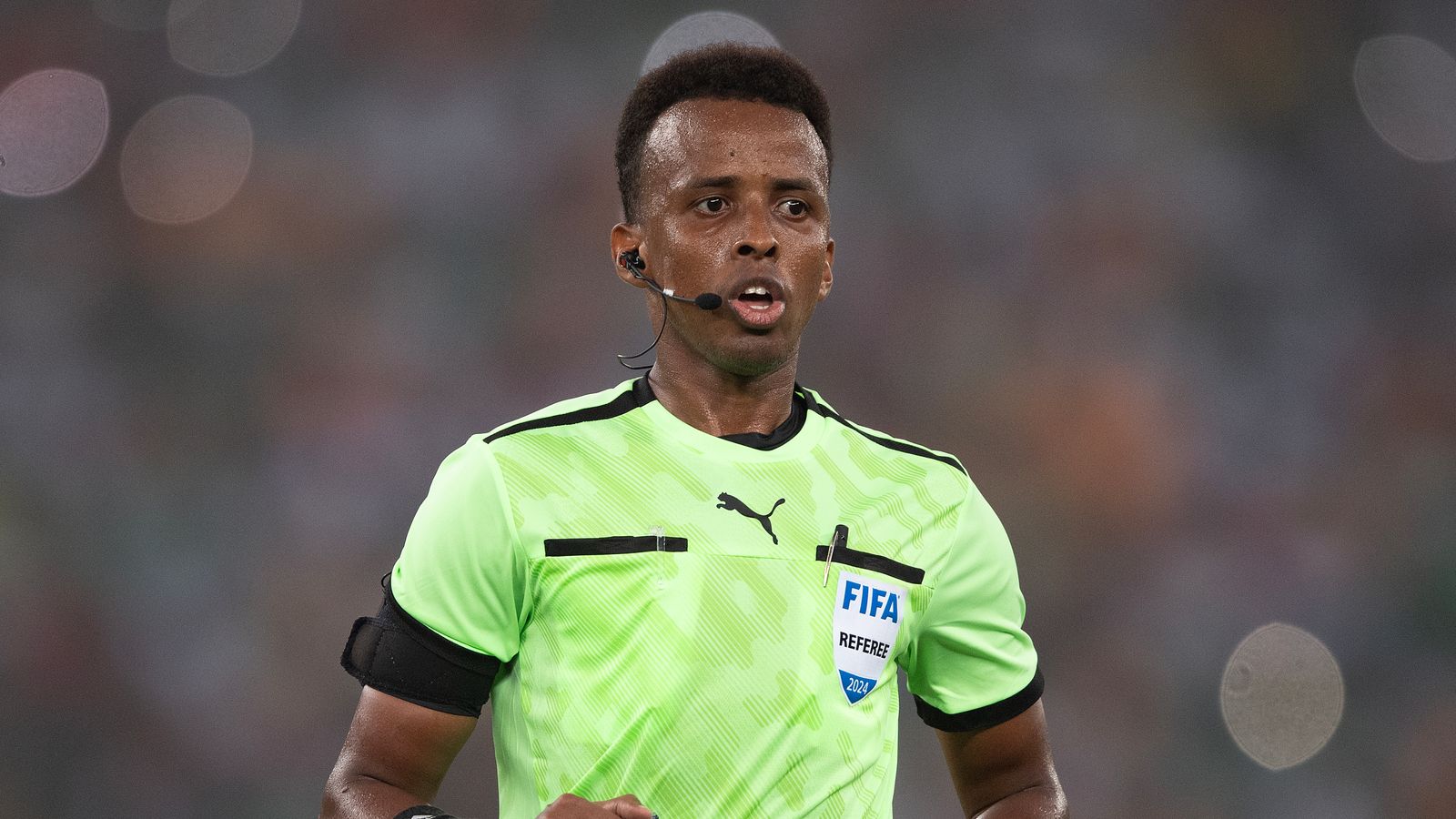
FIFA rarely admits fault. Their standard mode of operation involves long-winded disciplinary committees and quiet payouts that conveniently avoid public scrutiny. When they finally opened their coffers to cover Omar Martan’s expenses, it was not a sudden burst of benevolence. It was a tactical retreat.
Martan was unceremoniously cut from the 2026 World Cup list. This leaves a veteran official out in the cold after he had already invested time and resources into the tournament cycle. For FIFA, writing a check is cheaper than letting a grievance reach the Court of Arbitration for Sport.
The silence from Zurich
The lack of transparency here is staggering. Why was Martan dropped so close to the opening whistle? The governing body has pointed to their internal processes, but the math does not add up.
We are seeing the consequences of a closed-door evaluation process. When scouts and referee assessors operate without oversight, the sport suffers. As Mirror Football reported, this payment effectively serves as an admission that the selection process was flawed. If the process were robust, a payout wouldn't be necessary to make the problem go away.
What this means for the tournament
Referees are human, but they require a system that protects their professional standing. By casting off officials like discarded gear, FIFA puts immense pressure on those who remain on the list. Every official heading to the pitch this month knows they are one performance away from professional oblivion.
This is a poor way to manage a high-stakes tournament. The referees should be focused on rules and positioning. Instead, many are looking over their shoulders, terrified of the next arbitrary selection meeting. It creates a timid officiating style that directly impacts the flow of matches.
The damage to the game
Matches in this tournament will be subjected to higher levels of scrutiny than ever before. If a referee makes a high-profile error in the 90th minute, the public will remember Martan’s exit. It delegitimizes the entire officiating pool when one of their own is paid off to remain silent.
I expect the standard of officiating to be uneven throughout the group stages. The psychological weight of these internal politics is a performance inhibitor. Keep an eye on the card counts early on; officials are likely to over-officiate to prove their necessity to the committee.
My prediction? We see at least two major complaints from opposing managers about officiating bias before the knockout stage begins. FIFA thinks they have settled this quietly, but the tension between the refs and the governing body has never been higher.