The distraction of Bacon-gate at The New Lawn
Saturday's viral footage of a supposed bacon sandwich eviction at The New Lawn was a classic Forest Green Rovers distraction. While the club's PR team spent most of Sunday morning refuting a TikTok video from the Morecambe match, the real tactical failure was happening on the grass. Steve Cotterill’s side finished their League Two campaign yesterday with a performance that highlighted why they are stuck in neutral. The video claimed a supporter was removed for eating meat, a suggestion the club has rightly called nonsense, but the noise around it serves a purpose for a hierarchy that currently looks more interested in brand purity than finishing in the top seven.
I watched the game against Morecambe closely from the press box on April 25, 2026. The technical data from that 1-1 draw is damning. Forest Green controlled 64% of the ball but generated an xG of just 0.82, with most of their possession occurring in non-threatening areas of the middle third. They are playing a brand of football that looks beautiful on a spreadsheet but lacks the physical edge required to break down a low block. When you spend your weekend fighting PR fires about pork products, you aren't focusing on why your holding midfielders failed to track a single third-man run for ninety minutes.
Tactical rigidity and the eco-system of failure
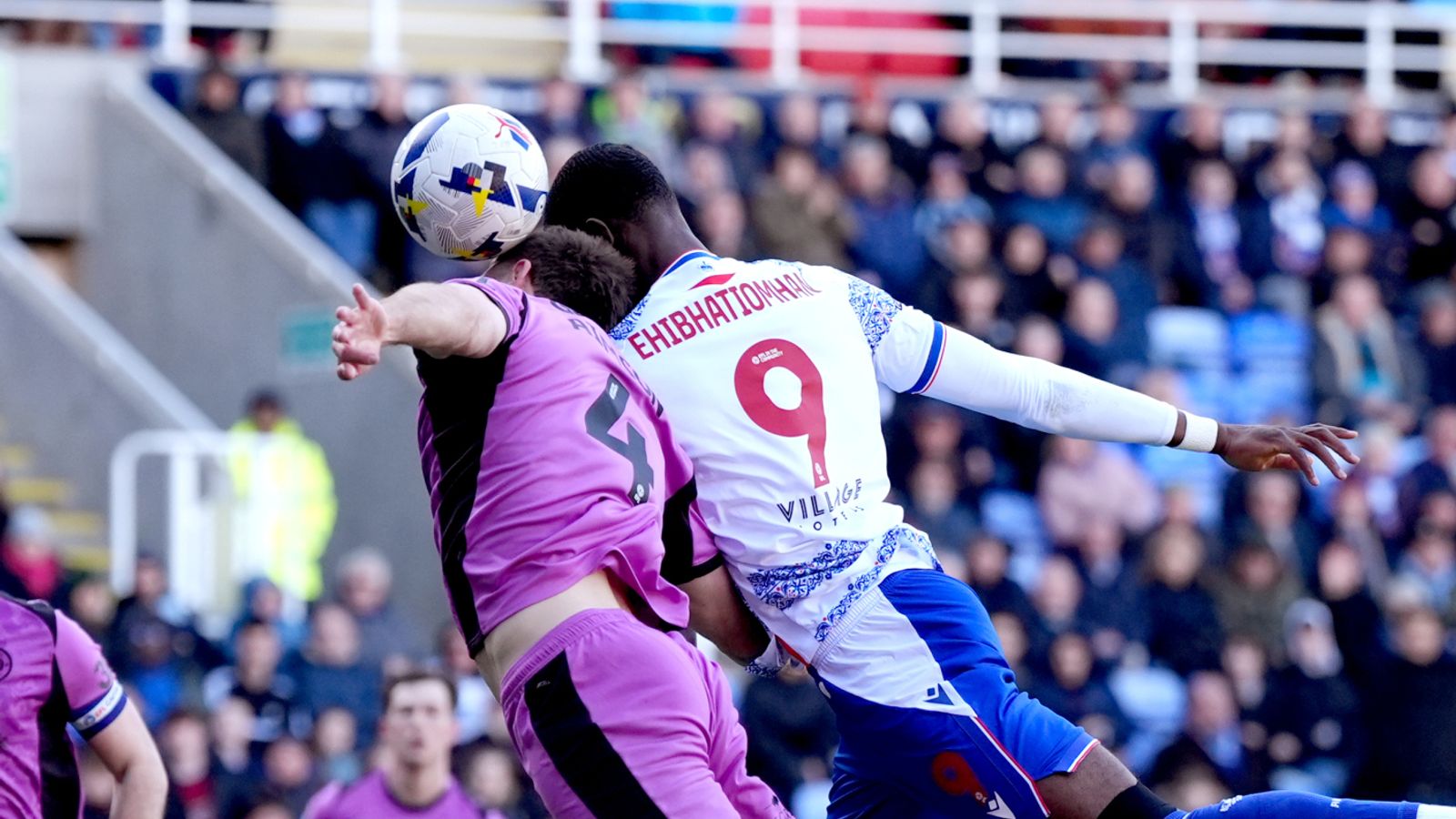
The problem at Forest Green isn't the veganism; it is the dogmatic adherence to a specific profile of player that the club’s identity demands. They recruit technical, slight athletes who fit the 'clean' image of the club but get bullied in the transition phases of the game. Against Morecambe, FGR’s center-backs won only 38% of their aerial duels. This is a recurring theme. They are built to play on a pristine carpet in August, not to grind out results in the wet, physical reality of late April. The recruitment strategy seems heavily skewed toward players who won't embarrass the brand rather than those who will win a second ball in the 87th minute.
The build-up play yesterday was ponderous. Cotterill has them playing a 3-4-2-1 that relies on the wing-backs providing all the width, but they are terrified of losing the ball. They played 114 backward passes in the first half alone. It is possession as a defensive mechanism rather than an attacking one. Morecambe sat deep, laughed at the sideways recycling, and waited for the inevitable turnover. When the turnover came, FGR looked exposed. Their rest defense is non-existent because the wing-backs are often caught in no-man's land, trying to maintain the 'shape' rather than reacting to the game.
The cultural disconnect is reaching a breaking point
There is a growing friction between the local fanbase and the global 'green' brand that Dale Vince has cultivated. While the club refutes the bacon sandwich incident, the fact that thousands of people were so ready to believe it speaks to a deep-seated cynicism regarding the club's priorities. Fans at The New Lawn are tired of being treated like extras in a sustainability documentary. They want to see a team that can defend a corner. The atmosphere on Saturday was flat, punctuated only by the ironic cheers from the away end when the 'meat-free' announcements came over the PA system.
The noise around the club's identity is currently louder than the roar of the crowd, and that is a massive problem for any manager trying to build a winning culture.
Recruitment for the 2026/27 season will be the ultimate test. If they continue to sign 'system' players who lack the physical profile for this league, they will face another year of mid-table obscurity. They currently have one of the highest wage bills in League Two, estimated at over £3.2 million, yet they are nowhere near the automatic promotion spots. That is a staggering inefficiency. The return on investment for their technical academy has also stalled, with few prospects showing the grit needed to transition to the first team. They are producing footballers who are great at keeping the ball but terrible at winning matches.
The Prediction: A summer of exodus and a winter of discontent
I am calling it now: Forest Green Rovers will not be in the promotion conversation next season. In fact, they are headed for a serious regression. The data suggests that at least four of their most creative players are out of contract this June, and the word around the training ground is that they are looking for moves to clubs with more 'traditional' footballing priorities. Without a radical shift in how they scout and sign players, they will lose their technical edge and be left with a squad that is neither fast enough to counter nor strong enough to defend. They are currently the most predictable team in the EFL, and predictability is a death sentence in the lower leagues.
Expect Dale Vince to double down on the brand rather than the scouting department. While York City celebrates their return to the Football League, FGR will be left wondering why their 600 passes a game didn't result in three points. My prediction is a bottom-half finish in 2027, followed by a significant scaling back of the club's financial ambitions. The 'green' experiment has hit its ceiling because it forgot that at the end of the day, people don't buy tickets to watch a carbon-neutral PR exercise; they buy them to see a team that actually wants to score a goal.
The bacon sandwich incident was a joke, but the way FGR is being run on the pitch is becoming one too. They have 32 days until the summer window officially opens to decide if they want to be a football club or a lifestyle brand. Based on the current trajectory, I know which one they’ll choose, and it won't be the one that gets them promoted. They are a club that has mastered the aesthetics of professional football while losing the soul of the competition. If you aren't winning, the optics don't matter. Just ask the fans who left early on Saturday.
Read Next
- Frank Lampard has Coventry City playing a brand of football nobody expected
- York City's party ended in a police investigation
- Middlesbrough and Ipswich set for a Championship photo finish
- Championship promotion drama is descending into glorious chaos
- ⚽ EFL League Two 2025-26 — Promotion Race & Play-Off Final Hub