Breaking Point: The Toll of the Guardiola Era
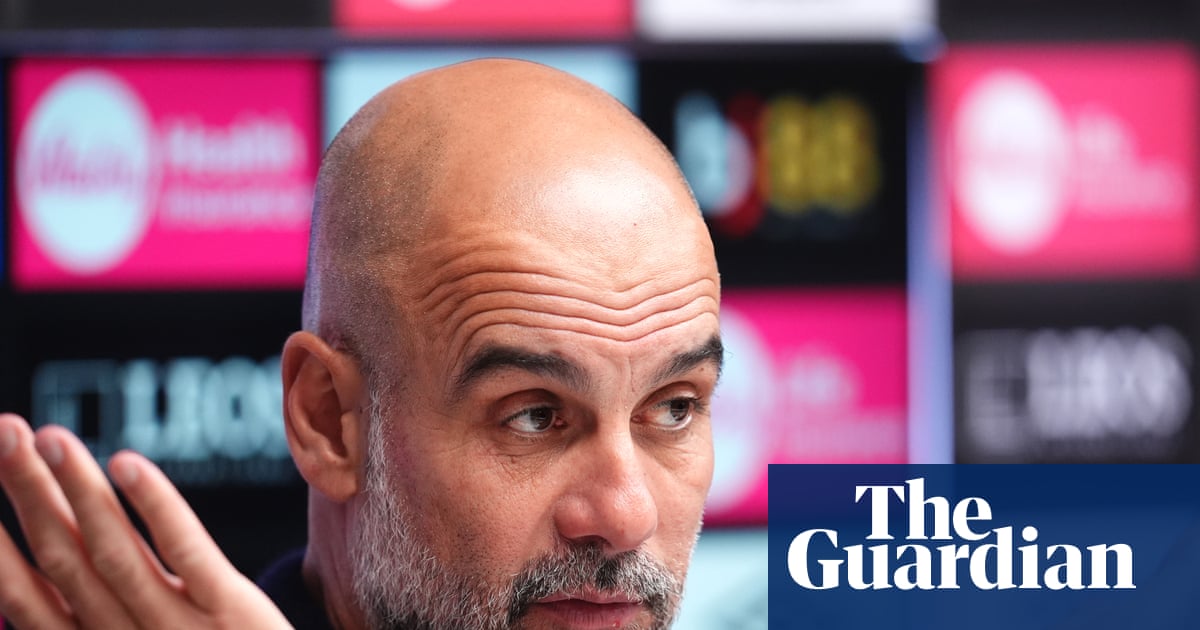
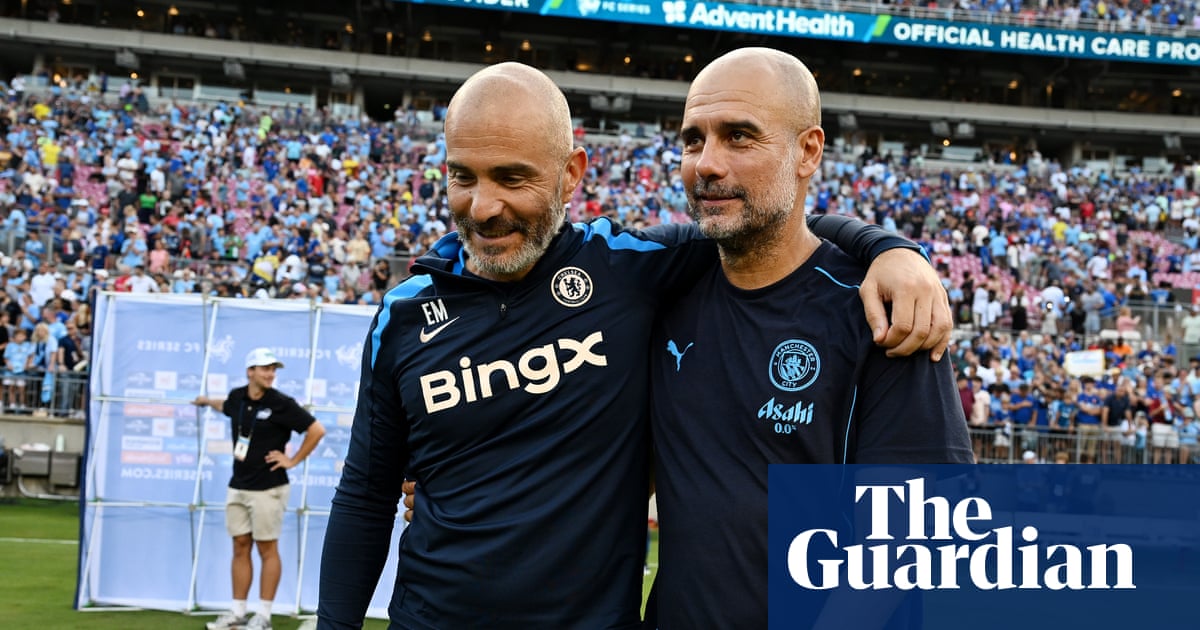
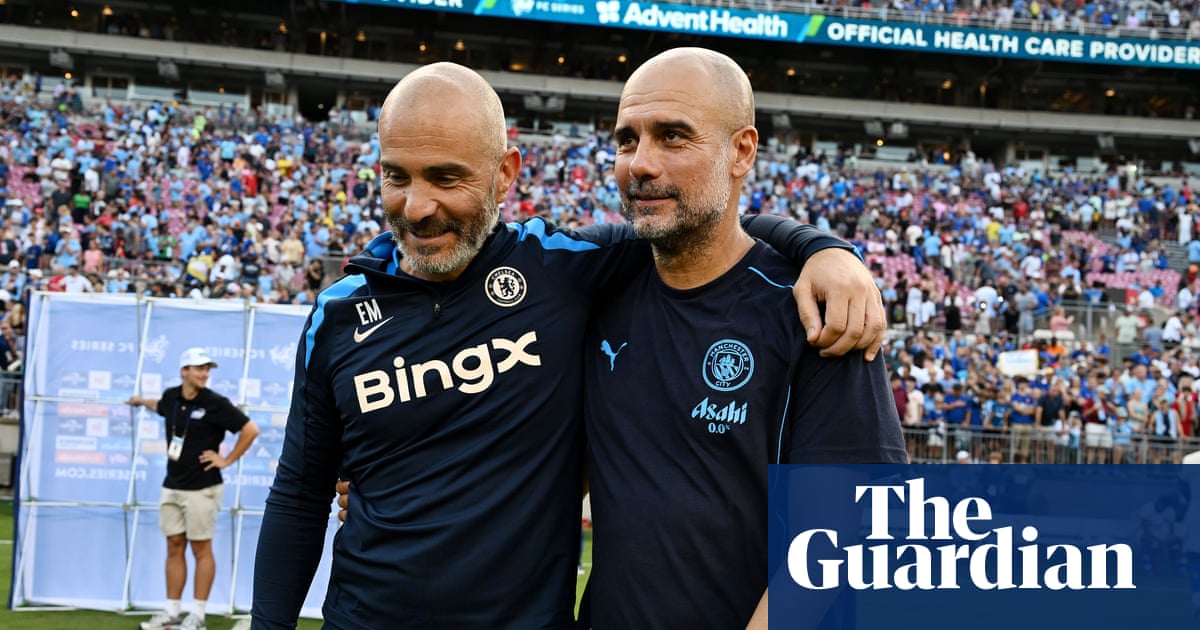
The news dropped right before the finish line. Pep Guardiola has officially informed the Manchester City dressing room that Sunday’s Premier League finale against Aston Villa will be his absolute last game in charge. The club has aggressively moved to agree a three-year deal in principle with Enzo Maresca. Chelsea are already preparing to demand heavy compensation for their departing Italian manager.
Beyond the massive tactical and financial shockwaves, there is a brutal physiological reality to this exit. As a medical and fitness observer, playing for Guardiola is widely understood as the most demanding job in world football. The cognitive load and physical exhaustion his system requires routinely grinds players down.
Guardiola walking away isn't just a personnel swap. It is a violent disruption to the physical and mental baseline of the most dominant squad in Europe.
The Cognitive Burnout
Fitness in modern football is usually measured in distance covered, high-speed runs, and sprint speeds. But Guardiola’s system relies far more heavily on extreme cognitive endurance.
Players are asked to process complex spatial information constantly. A fullback isn't just running down the flank; he is shifting into central midfield, calculating passing angles, and rotating positions based on the opposition's pressing triggers. This relentless mental fatigue heavily influences physical performance and recovery times.
When Guardiola told the players he was leaving, the initial reaction in the room was likely shock, followed closely by a deep, subconscious relief. The intensity he demands every single day in training pushes human physiology to its absolute limit. Elite players have regularly looked physically hollowed out by the end of his grueling campaigns. The constant drive for perfection creates a chronic stress environment that inevitably accelerates burnout.
Maresca’s Fitness Blueprint
Now comes the hard part: Enzo Maresca. The three-year agreement brings a former City assistant back to the Etihad, but what does this mean for the sports science department?
Maresca favors a heavily possession-based style, which theoretically minimizes the need for desperate defensive running. However, the transitional sprints required when his teams lose the ball are vicious. At Chelsea, Maresca demanded rapid counter-pressing that forced players into anaerobic red zones repeatedly during match play.
The problem City faces is an aging core. Key playmakers are managing chronic muscle issues. Experienced defenders rely entirely on explosive pace that is naturally waning with age. Maresca will inherit a squad that is physically tailored to Guardiola's incredibly specific pacing. Changing the training load, even by a fraction, almost always results in massive soft-tissue injury spikes during the first six months of a new regime.
We saw exactly this when Jurgen Klopp first arrived at Liverpool years ago. The sudden shift in high-intensity running metrics caused a devastating wave of hamstring tears. Maresca risks the exact same medical crisis if he pushes this City squad too hard, too fast during the upcoming pre-season.
The Aston Villa Pressure Cooker
Sunday’s match against Aston Villa is now a terrifying prospect for the club's medical staff.
Highly emotional games inevitably lead to physical mistakes. When adrenaline spikes, players over-commit to tackles, ignore natural fatigue signals, and push straight through pain barriers they usually respect. The overwhelming desire to give Guardiola a massive send-off will cause players to run entirely on dangerous nervous energy.
Aston Villa are a brutally physical side. They excel in transition and force opponents into awkward, high-speed recovery runs. If City play with reckless emotion, the injury risk for this final ninety minutes skyrockets. The medical team will have to monitor GPS load metrics aggressively. They must pull players off the pitch even if they are desperate to finish the game for their iconic manager.
This is exactly what happened on the final day of the 2022 season against the very same opponent, where City players pushed themselves to the absolute brink of exhaustion to secure a comeback victory. Doing it again, with the added weight of a farewell, is a recipe for severe muscle trauma.
The World Cup Complication
This emotional and physical drain could not come at a worse time for international managers. With the expanded 48-team FIFA World Cup kicking off in North America on June 11, national team medical staffs will be watching Sunday's match through their fingers.
Manchester City players are expected to be the centerpieces of several World Cup squads. Heading into an exhausting summer tournament straight off the back of a grueling, deeply emotional managerial departure is a sports science nightmare. Players will arrive at their national team camps mentally depleted and physically vulnerable.
The Chelsea Compensation Mess
Chelsea's involvement in this adds a frustrating twist to the week. Their ability to demand immediate compensation for Maresca is a sharp reminder of their own chaotic operational mess.
Chelsea’s squad has suffered horrific injury crises repeatedly over the past few seasons. Much of that was directly attributed to constantly changing managers, wildly shifting training loads, and an overloaded medical department. Maresca was just starting to stabilize their internal fitness metrics. His sudden exit throws Stamford Bridge right back into the red zone.
Whoever takes over at Chelsea will inherit a massive squad that now has to adapt to yet another completely different set of physical demands. The likelihood of Chelsea players suffering early-season injuries next year has just drastically increased.
A Flawed Succession Plan
City's decision to jump straight to Maresca is fraught with massive risk. This is where the transition falls apart.
Yes, the Italian understands the positional play model perfectly. But he absolutely does not have the established authority to manage the workload of elite superstars. Guardiola could tell a fully fit striker to sit out a crucial match to prevent a potential injury, and the player would comply without a public fuss. If Maresca tries to bench a superstar for load management, he will face severe internal pushback and immediate media scrutiny.
Load management requires absolute trust and unshakeable authority. Maresca currently has neither at the Etihad. He is stepping into a dressing room full of players who have achieved significantly more in the game than he ever has.
If Maresca loses the dressing room over a contested medical or fitness decision, the physical output on the pitch will instantly drop. Internal GPS tracking data always reveals exactly when players stop running for their manager.
Sunday will be an overwhelming celebration of Guardiola’s undeniable genius. But come Monday morning, the Manchester City medical and sports science departments face the most dangerous, volatile transitional period in the club’s modern history.