A Nightmare Start for the Blues
Derbies are built on fine margins and emotional control. Everton lost both before the match could even settle into a rhythm. Conceding an early penalty in any Women's Super League fixture is damaging. Doing it against your fiercest rivals is an absolute disaster.
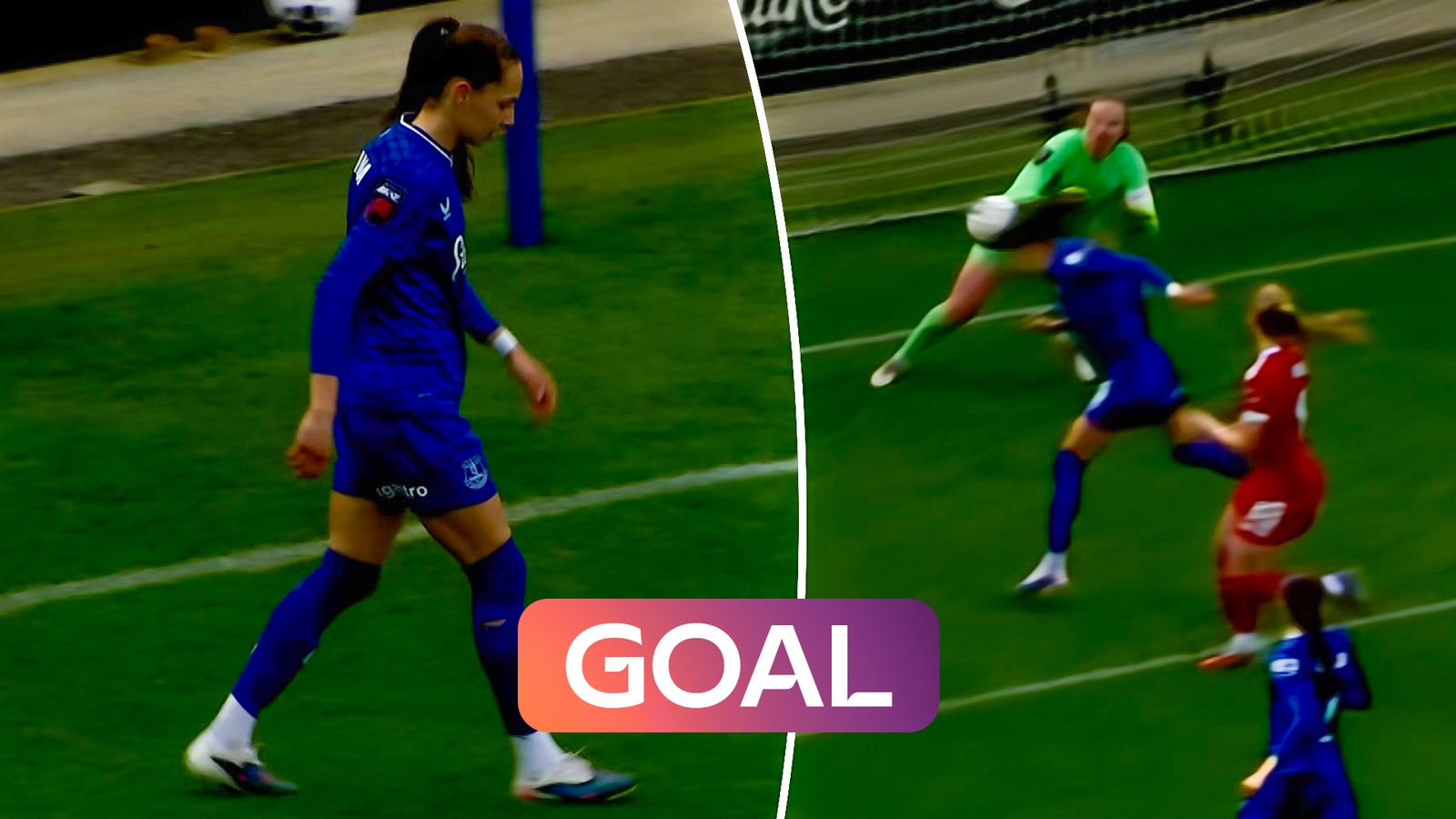
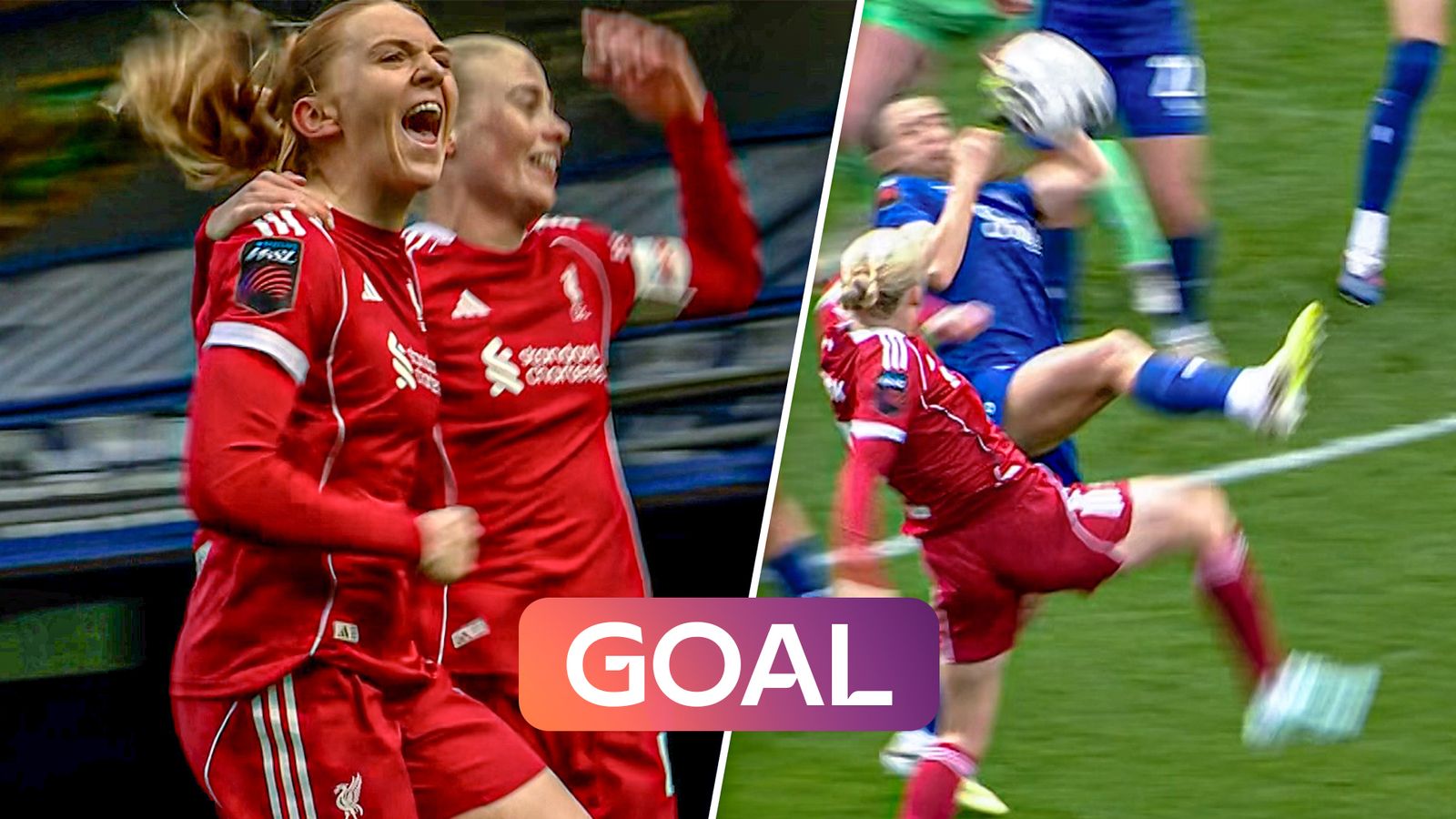
The moment the referee pointed to the spot in the opening minutes, the tactical blueprints were shredded. Liverpool had the one thing every away side craves in a hostile environment: a free hit to silence the crowd. Holland stepped up with the ball. The pressure in these isolated moments is immense, stripping away everything but pure technique and raw nerve.
Her conversion was clinical. There was no hesitation, just a clean strike to give Liverpool the deserved advantage. That early lead didn't just alter the scoreline. It fundamentally changed the geometry of the pitch for the remainder of the afternoon.
The Psychology of the Early Deficit
When an underdog or a home side looking to frustrate a better opponent goes behind in the opening exchanges, panic usually follows. Everton's pre-match plan likely involved staying compact. They would have wanted to frustrate Liverpool, deny them space through the middle, and look for counter-attacking opportunities. The penalty violently erased that option.
Suddenly, the Blues had to chase the game. Chasing a game against a team managed by Matt Beard is a highly dangerous proposition. Liverpool are adept at exploiting the spaces left by desperate opponents. They thrive on the transition and punish structural disorganization.
This is where the critical failure in Everton's approach became painfully apparent. You cannot afford naive defensive actions in the penalty area during the opening chaotic minutes of a derby. The foul that led to the spot-kick was an entirely unforced error. It was a product of adrenaline overriding discipline, and at this level, you are ruthlessly punished for that lack of composure.
Holland's Moment of Clarity
Stepping up for a spot-kick in a Merseyside derby requires ice in the veins. The noise is deafening. The opposition players are doing everything they can to delay the kick and play mind games with the taker. Holland simply ignored all of it.
Her focus was absolute. She placed the ball, picked her spot, and executed flawlessly. It sounds simple on paper. In reality, with the weight of the traveling support on her shoulders, it was a masterclass in isolated technique. She gave the goalkeeper absolutely no chance to make a save.
That goal provided Liverpool with an invaluable platform. They didn't have to force the issue anymore. They could dictate the tempo, monopolize possession in safe areas, and simply wait for Everton to overcommit. The early goal is a tactical cheat code if utilized correctly by the leading side.
Tactical Readjustments and Frustrations
Everton's response to going behind highlighted their ongoing struggles this season. The lack of a clear alternative game plan was evident. Once their low block was breached, they looked entirely disjointed when trying to initiate sustained attacks. The midfield gaped open as players broke forward individually rather than as a cohesive attacking unit.
Liverpool's midfield easily bypassed the initial press. They repeatedly found pockets of space behind Everton's second line of defense. This wasn't just about the goal; it was about the structural collapse that the goal induced. The Blues were caught squarely between the desperate desire to equalize and the paralyzing fear of conceding a second.
This indecision is fatal in the top flight. You either commit to the high press and risk the counter, or you sit deep and hope for a set-piece miracle. Everton did neither effectively today. They floated in a tactical purgatory, allowing Liverpool to coast through long stretches of the first half completely unchallenged.
The Standard of Defending
We have to address the decision-making that leads to these early penalties. It is becoming a frustratingly recurring theme in high-pressure matches across the league. Defenders are diving in recklessly when they should be standing their ground. The art of jockeying and forcing the attacker away from goal seems to be entirely forgotten the moment the whistle blows for a heated derby.
Everton's coaching staff will be furious when they review the footage tomorrow morning. The attacker was not in an immediately dangerous shooting position. There was defensive cover arriving. The tackle was rash, totally unnecessary, and ultimately defined the entire narrative of the afternoon. It is an unforgivable lapse in basic concentration.
If you hand a team like Liverpool a massive gift in the opening minutes, you do not get to complain about the final outcome. The match was heavily compromised by that single stupid mistake. It ruined the spectacle for the neutral and gave Liverpool an incredibly easy ride to three points.
The Referee's Early Intervention
Handing out a penalty in the opening minutes of a derby sets a distinct, undeniable tone for the officiating. It sends a clear message to both dugouts that the referee will not be intimidated by the occasion or the crowd noise. Often, officials let early fouls slide to supposedly let the game flow. That cowardice usually ruins matches by allowing things to spiral out of control.
In this instance, the official made the brave, factually correct call. A foul in the box in the first minute is precisely the same as a foul in the ninetieth. Everton fans were irate, predictably demanding leniency simply because of the clock. But the laws of the game do not operate on a sliding scale based on elapsed match time.
By pointing to the spot immediately, the referee established absolute authority over the twenty-two players. It forced both teams to immediately clean up their physical play. It prevented the match from devolving into an ugly kicking contest. The players realized instantly that cynical fouls would be severely punished.
Liverpool's Game Management Clinic
Once Holland's shot hit the back of the net, Liverpool transitioned directly into a masterclass of elite game management. They slowed the necessary restarts down. They took their time over throw-ins and goal kicks. It wasn't cynical time-wasting; it was highly intelligent pacing designed to kill momentum.
They recognized that Everton were running on pure, unfiltered adrenaline. By starving the Blues of possession and keeping the ball moving quickly across the backline, Liverpool drained the emotional energy out of the stadium. It was a suffocating, deeply professional away display.
The midfield rotation from the visitors was particularly impressive today. They created passing triangles that constantly bypassed Everton's frantic pressing attempts. Every time an Everton player committed to a desperate tackle, the ball was already gone. This is exactly how you kill a derby away from home. You don't match the chaos; you neutralize it with ruthless passing precision.
The Burden on Everton's Attack
The early deficit placed an immense, completely unfair burden on Everton's forwards. They were suddenly tasked with creating attacking magic out of nothing against a set, confident defense. With the midfield sitting deeper to prevent a second, fatal goal, the strikers were left totally isolated up front.
Long balls quickly became the default, desperate option. They were hitting hopeful, looping passes toward isolated runners who had no support. Liverpool's center-backs dealt with these aerial threats effortlessly all afternoon. It was absolute meat and drink for a well-organized defensive unit. Everton desperately needed intricate passing to break them down, but they lacked the technical composure to execute it.
This highlights a glaring, worrying lack of attacking depth and tactical flexibility for the home side. If the primary plan fails, the secondary plan cannot simply be kicking it long and hoping for a mistake. That might work in the lower divisions, but it is entirely ineffective against a top-tier defensive structure.
The Atmosphere and the Aftermath
You cannot ignore the massive impact of the crowd in these volatile moments. The home support arrived heavily expecting a grueling war of attrition. They were loud, hostile, and visibly ready to push their team forward. The penalty sucked the oxygen out of the stands in an instant.
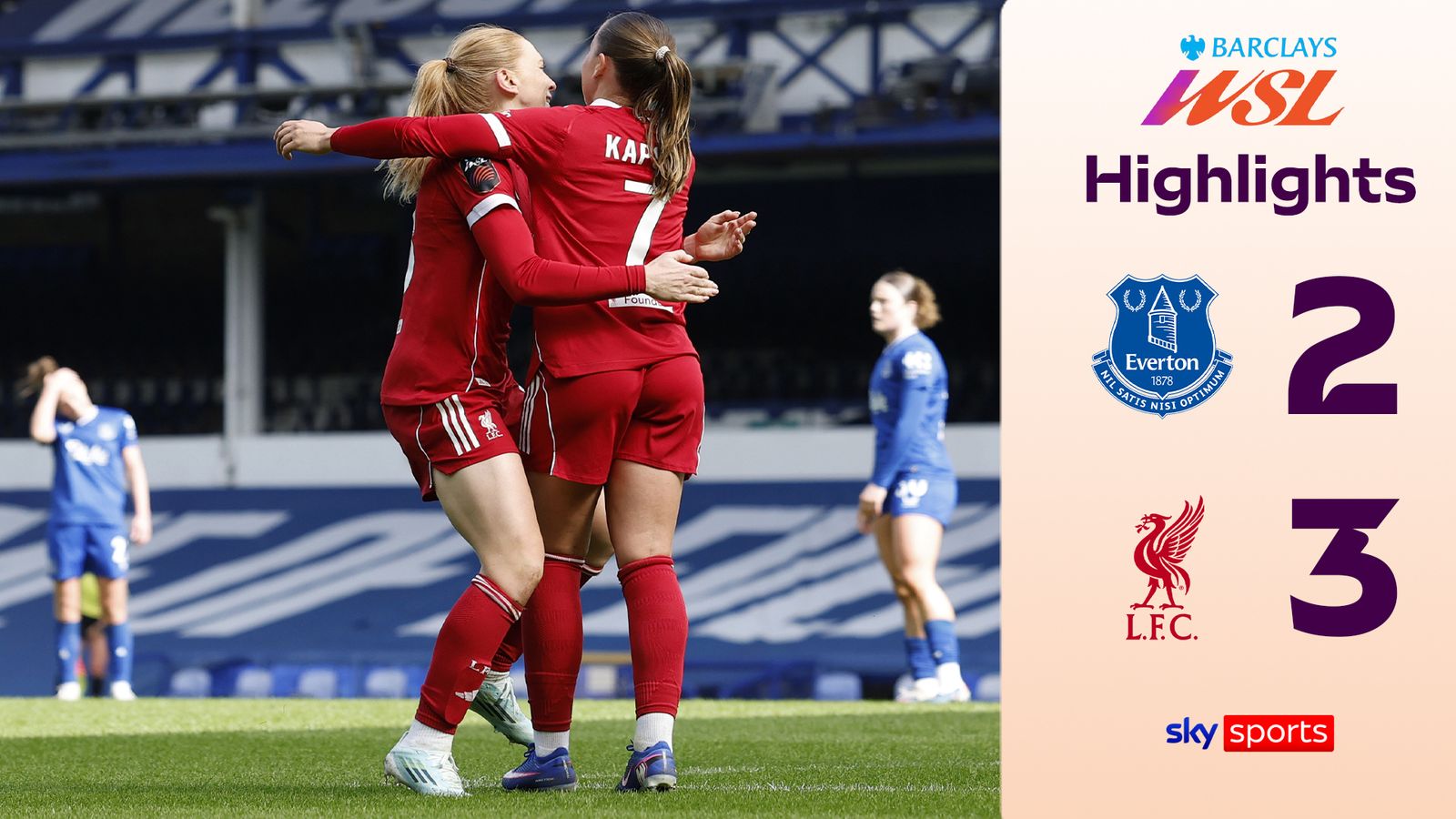
When the ball crossed the line from 12 yards out, the silence from the home end was deafening, sharply contrasted by the wild, ecstatic celebrations from the traveling Liverpool faithful. That brutal shift in acoustic energy translates directly to the players on the pitch. Everton visibly slumped, their early fire fully extinguished before it could even catch.
This result will undeniably have lasting repercussions for both squads as the season rapidly progresses. Momentum in this league is a highly fragile commodity. Liverpool now have a massive surge of belief carrying them forward. They have proven they can go into hostile enemy territory and execute perfectly under extreme pressure.
Everton, conversely, are staring right down the barrel of a major crisis of confidence. They must figure out exactly how to stop conceding cheap, avoidable goals and how to react positively when things immediately go wrong. If they cannot fix these fundamental mental errors soon, this entire season will quickly become a miserable exercise in damage limitation.