Italy look fragile heading into the World Cup summer
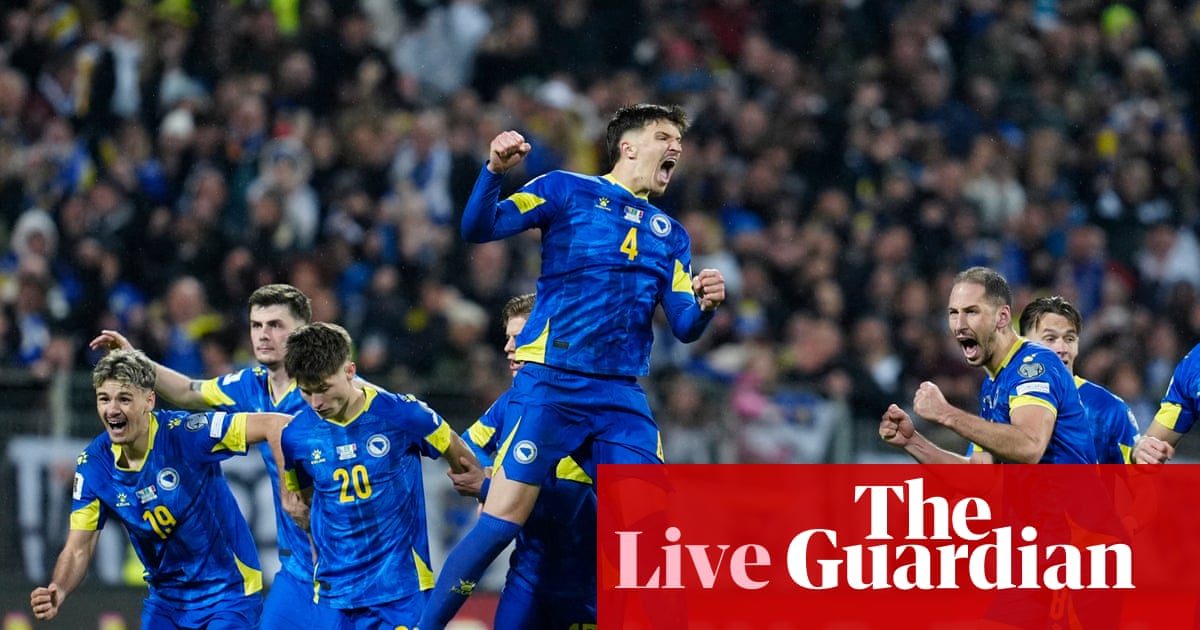
Tactical fragility at Bilino Polje
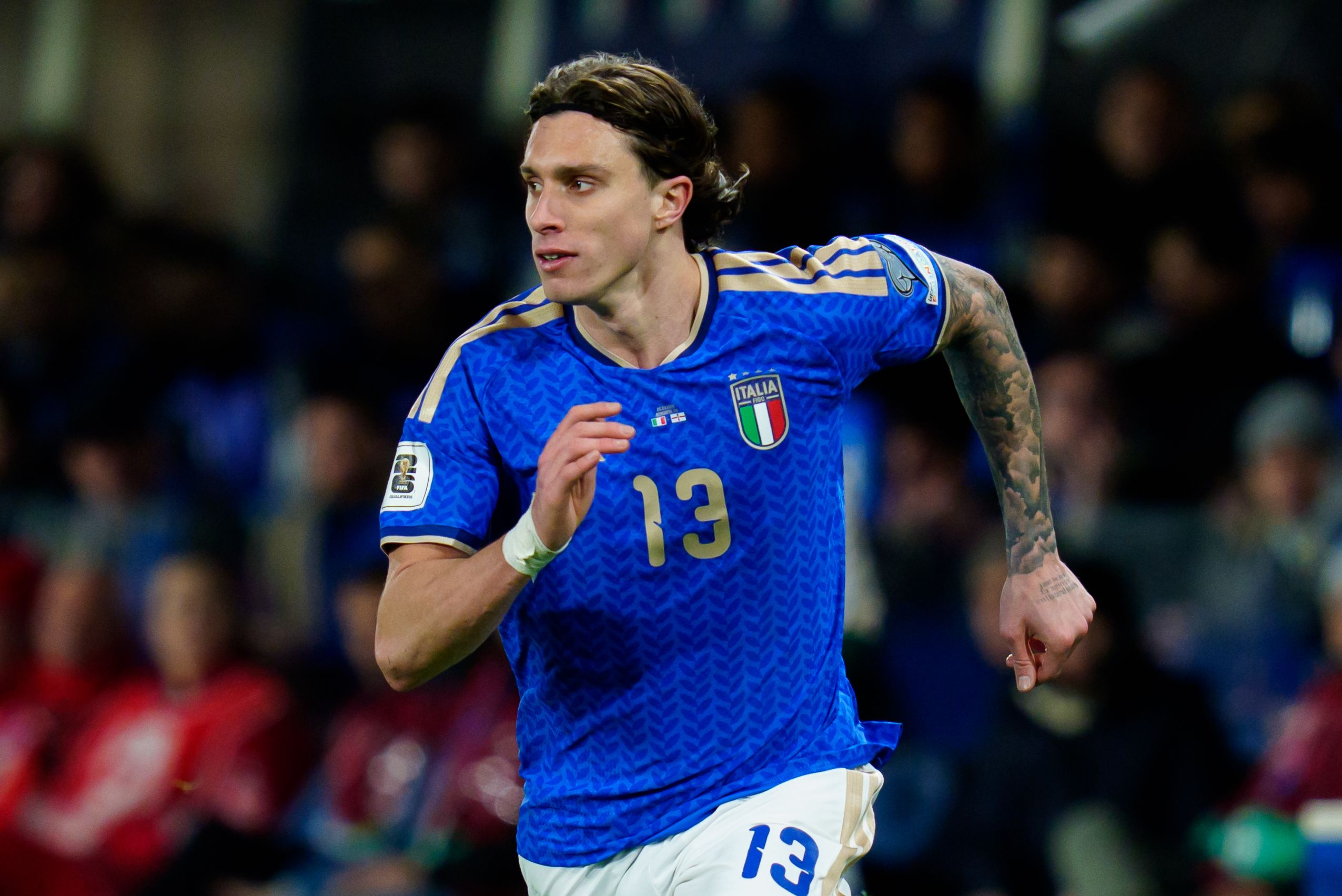
The Italian national team is currently navigating a period of uncertainty that should worry any supporter ahead of the 2026 FIFA World Cup. Watching the playoff against Bosnia and Herzegovina at the Bilino Polje Stadium, the pattern was clear: Italy lacks the ability to control high-pressure midfield transitions. The defensive line, anchored by Riccardo Calafiori, appeared reactive rather than proactive. In the fourth minute, a simple cross intended for Edin Dzeko caused immediate panic, leading to a loose clearance that struck Manuel Locatelli. Moments of chaos like these suggest that Italy is not prepared for organized, physical pressing units.
The Locatelli dilemma
Locatelli’s deployment remains a point of contention for any observer looking at Italy’s ball progression. He is being asked to act as the primary filter, yet his spacing in defensive transitions is statistically inconsistent. When Dzeko drops deep to pull center-backs out of position, the gap between the defensive line and the holding midfielder widens significantly. This structural flaw allows opponents to dictate the pace of the game in the final third. Italy is operating on talent rather than a coherent tactical spine, relying on individual recovery tackles instead of collective defensive structure.
Analyzing the turnover problem
The most alarming aspect of tonight’s performance was the lack of composure during ball retrieval. After forcing a turnover, Italy consistently chose long, bypassed passes that surrendered possession back to Bosnia within three phases of play. This style of football relies on low-probability verticality that ignores the tactical reality of their current squad composition. If the plan is to survive the summer tournament, the technical staff must address these unforced errors in the middle third. Relying on high-variance outcomes in knockout scenarios is not a strategy—it is a gamble that eventually fails against elite opposition.
A defensive concern looking ahead
Critics will argue that tournament football is defined by moments of grit, but the disconnect between Calafiori and his midfield cover is an objective technical failing. Calafiori, while comfortable moving forward with the ball, often finds himself isolated when his teammates get caught out of position. According to recent reports detailing the playoff match dynamics, Italy struggled significantly to regain defensive discipline once the initial line of pressure was bypassed. This lack of resilience is a trend, not an anomaly, and will almost certainly be punished when the World Cup kickoff arrives in June.
Read Next
- The World Cup qualifying grind is officially eating giants for breakfast
- Top 10: Can They Sustain It? Tracking the 2026 Season Trajectory
- Top 10: Top Moments
- Predicting the Champions League chaos: Who makes the Munich final?
- 🏆 World Cup 2026 — Full Coverage Hub
- 🇮🇹 Italy at the 2026 World Cup — Full Coverage Hub
Manchester City FC Official Jacquard Scarf
The essential piece of fan gear for showing your City pride.
Frequently Asked Questions
What are the primary tactical weaknesses in the Italian national team?
Why is Manuel Locatelli's role under scrutiny?
How does Italy handle ball possession after turnovers?
What defensive issues create problems for Riccardo Calafiori?
Why is Italy's reliance on high-variance play considered a risk?
More Coverage

Top 10: Definitive Penalty Moments in Modern Football
2 hours ago
Top 10: Defining Football Moments of the 2025-26 Season
6 hours ago
Top 10: The Defining Moments of the 2025/26 English Football Season
7 hours ago
The post-football career pivot is the smartest move a veteran can make
13 hours ago
Top 10: The Most Audacious Moments in Modern Football
15 hours ago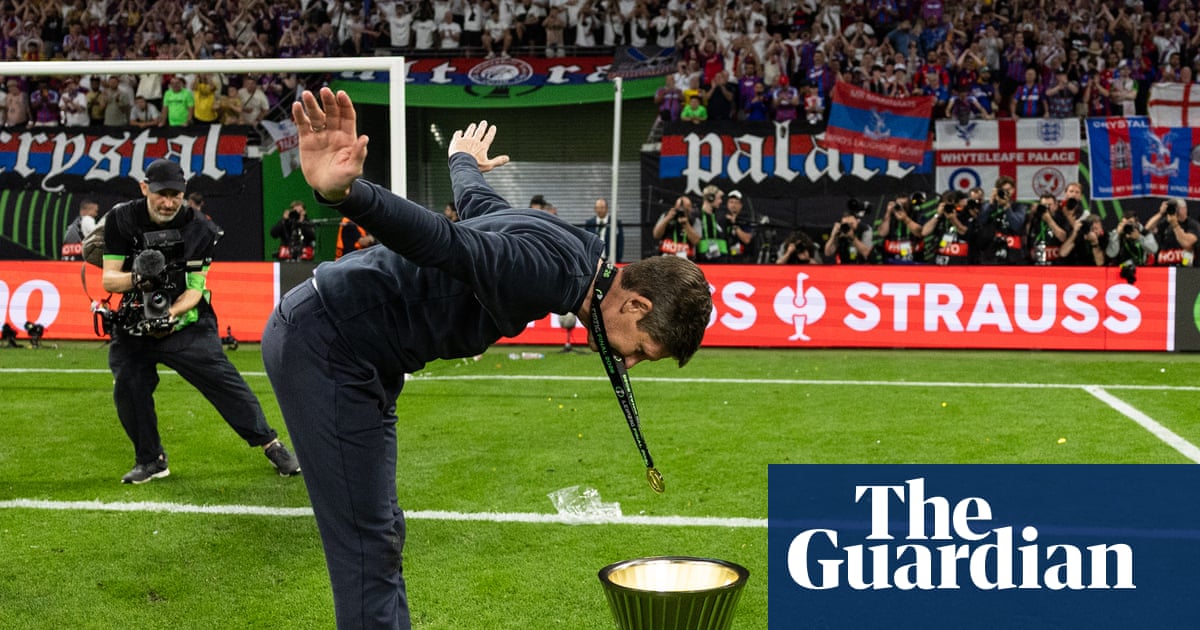
Crystal Palace's unlikely European title exposes the modern speed gap
16 hours agoMore Analysis
Italy are one game from a World Cup reality check
1 month, 4 weeks ago
Buffon's brutal honesty exposes exactly why Italy are doomed this summer
1 month, 1 week agoWhy Italy's 2026 World Cup qualifying path is a tactical trap
2 months agoWhy Italy's World Cup qualification is still a massive gamble
2 months ago
Italy just fumbled their golden ticket to the World Cup
1 month, 4 weeks ago