The shift in Chengdu's identity
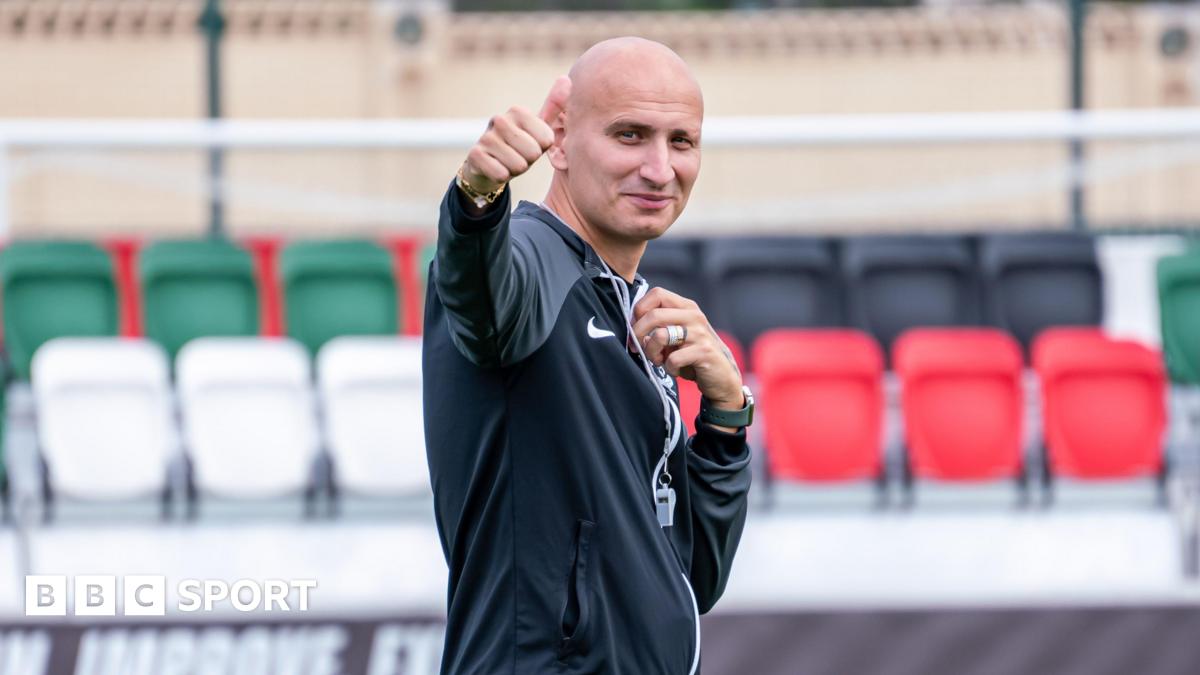
Chengdu Rongcheng has transformed from a mid-table curiosity into a genuine title contender under John Aloisi. Watching their recent outings, the tactical footprint is unmistakable. They aren't just winning games; they are dismantling opponents with a high-intensity, vertical style that echoes the aggressive pressing systems popular in Europe.
The defensive structure is the most striking upgrade. Last season, the team conceded 1.4 goals per match on average. Through the opening phases of this campaign, that number has dropped to 0.6. Aloisi has implemented a zonal shift that forces opponents into wide areas, clogging the half-spaces and rendering through-balls ineffective.
The Aloisi blueprint in the CSL
Aloisi has leaned into a 4-3-3 that prioritizes quick transitions. As The Guardian reported today, his brand of football is fundamentally changing how the Sichuan capital views its club. He demands an aggressive verticality that punishes teams for taking too many touches in midfield.
The data suggests this isn't luck. Chengdu maintains a passing accuracy of 84% in the attacking third, a stat that sits at the top of the league table. When they lose possession, the trigger is immediate. They commit to a 5-second press rule that has left several CSL sides scrambling. It is a punishing, exhausting way to play that assumes deep tactical discipline from the squad rotation.
The inevitable reality check
However, the project is not without its flaws. The heavy reliance on high-energy pressing creates massive gaps behind the full-backs during the final 15 minutes of matches. In the win over Shanghai Shenhua, the team lost 40% of their defensive duels in the 75th minute onwards. Fatigue is a genuine enemy for a roster that lacks depth at the wing-back positions.
If Aloisi cannot rotate his primary creators, Chengdu will face a significant drop in output by the mid-summer break. Their current xG per match is 2.1, but that efficiency relies on high-speed overlaps that require sustained aerobic fitness. Should they hit a wall, the lack of a secondary tactical plan could see them revert to long-ball tactics, wasting the technical foundation they have spent months building. Regardless of the risks, they are currently the most dangerous team in the division.