The El Clasickie moves to Hampden amid a scheduling storm
There is no derby in Scottish football quite as biting, or as overlooked by the Glasgow-centric media, as the meeting between Dunfermline Athletic and Falkirk. On Saturday, this regional feud takes over Hampden Park for a Scottish Cup semi-final that should be a celebration of the semi-pro-turned-powerhouse belt of the country. Instead, the build-up has been dominated by a familiar, fiery figure venting his spleen at the governing bodies.
Neil Lennon is not a man known for suffering in silence. When he feels the scales are tipped against him, he lets the world know with the subtlety of a goal-line clearance. His description of Dunfermline’s recent fixture pile-up as really unfair is more than just standard pre-match deflection. It is a tactical red flag for a team that relies on high-octane physical output to mask technical deficiencies.
For the Pars, the road to Hampden has been paved with midweek recovery sessions and ice baths rather than tactical drills. When you are asked to play three matches in seven days leading up to the biggest game of your season, the tactical plan often goes out the window in favor of pure survival. Lennon knows that against a Falkirk side that has had a full week to prepare, his players are starting the 100-meter dash with lead in their boots.
The cost of heavy legs in Lennon’s system
Neil Lennon’s tactical identity has always been built on a foundation of aggressive transitions. He wants his teams to win the ball in the middle third and verticalize the play immediately. This requires central midfielders who can cover 12 kilometers a game and wingers who can sprint repetitively into the channels. If those players are operating at 80% capacity due to fixture congestion, the entire system collapses into a disjointed mess.
We saw the early signs of this fatigue in their last outing. The distances between the defensive line and the midfield block began to stretch after the hour mark. A tired midfield stops tracking runners in the half-spaces, and that is exactly where Falkirk find their joy. If Dunfermline cannot maintain a compact 4-4-2 or 4-1-4-1 shape for the full 90 minutes, they will be picked apart by a fresher opponent.
The risk here is that Lennon’s public exasperation filters down to the dressing room in the wrong way. While it can create a siege mentality, it can also provide a ready-made excuse for failure. If a player misses a tackle in the 75th minute, they might subconsciously blame the SPFL schedule rather than their own lack of concentration. That psychological trap is often more dangerous than the physical toll itself.
Falkirk’s blueprint for a Hampden heist
Falkirk will arrive at the national stadium with a clear physical advantage and a tactical blueprint designed to exploit Dunfermline’s heavy legs. They don't need to dominate possession to win this game. In fact, their most effective path to the final is to let Dunfermline chase the game early, tire themselves out, and then strike during the inevitable second-half lulls. They will look to stretch the pitch, using the wide Hampden turf to force the Pars' wing-backs into long recovery runs.
Watch for Falkirk’s utilization of the wide areas during the first 20 minutes. They won't necessarily look to cross every ball; they want to force Dunfermline into lateral shifts that sap energy. By moving the ball from one touchline to the other quickly, they force Lennon’s midfield to work overtime. It is a cynical, effective way to turn a physical advantage into a scoreboard lead.
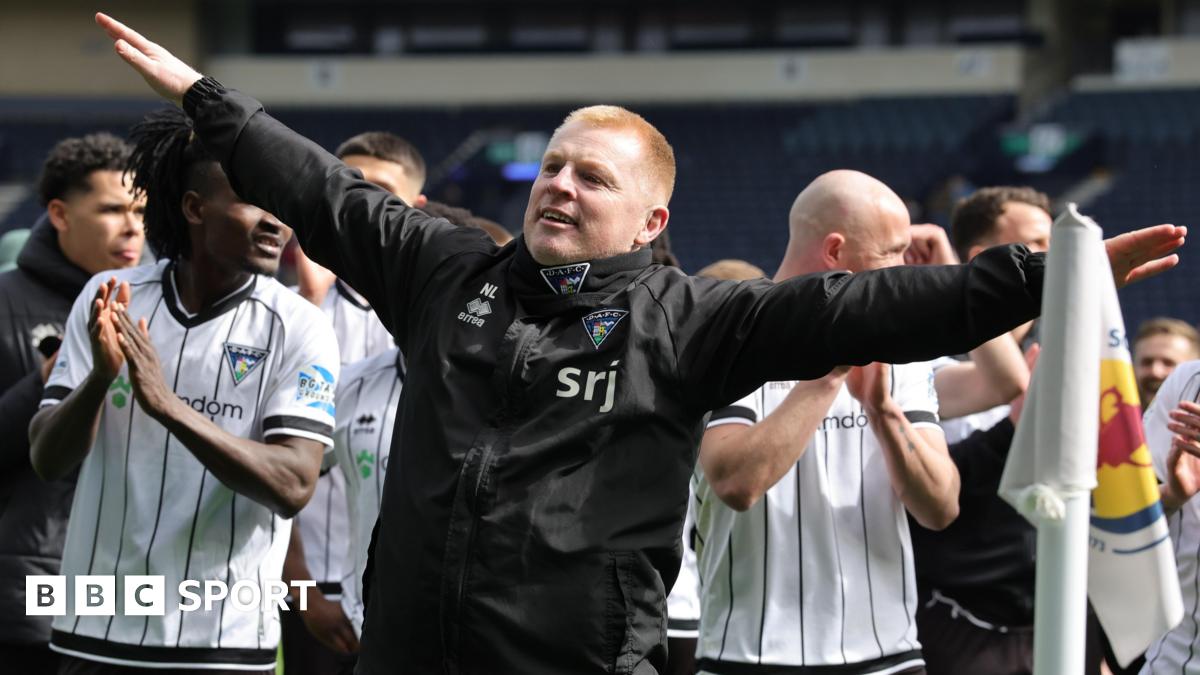
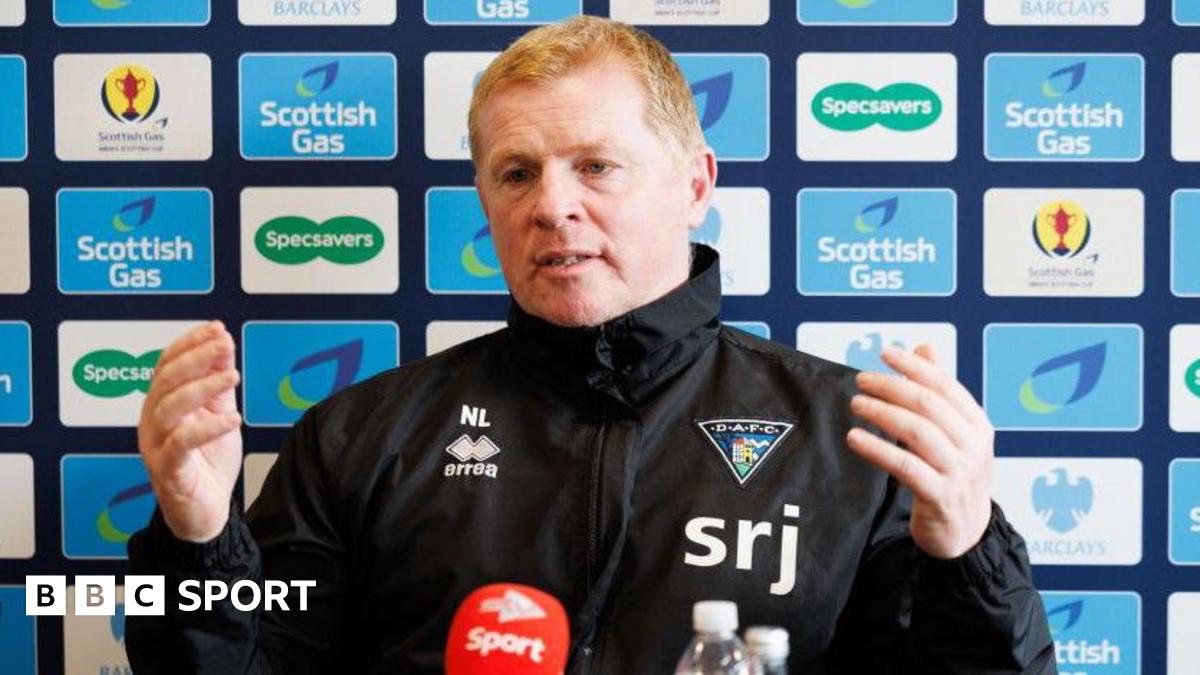
Exasperated Neil Lennon describes his Dunfermline Athletic side's fixture schedule as "really unfair" leading up to Saturday's Scottish Cup semi-final against Falkirk.
The tactical battle in the dugout will be just as fascinating as the one on the pitch. Lennon is a veteran of these occasions, and he knows how to manage the ebbs and flows of a cup semi-final. He may be forced into a more conservative, low-block approach than he would usually like. Expect Dunfermline to sit deeper than usual, inviting pressure and hoping to strike on a singular, decisive counter-attack or a set-piece routine.
The critical flaw in the Lennon grievance
While Lennon has a legitimate point regarding the scheduling, there is a repetitive nature to his complaints that suggests a lack of internal accountability. This is not the first time a Lennon-led side has felt persecuted by the calendar. By making the fixtures the primary narrative of the week, he has shifted the focus away from the tactical improvements his side desperately needs after their recent league stutters.
The defensive organization on set pieces, for instance, has nothing to do with how many games you played last week. It is about discipline and communication. Dunfermline have conceded three goals from corners in their last five matches. If they lose on Saturday because a defender loses his man at the back post, Lennon cannot blame the Wednesday night trip to the Highlands for that. It is a failure of coaching and execution, regardless of the date on the calendar.
Furthermore, the Pars' reliance on long-ball outlets when under pressure has become predictable. If they spend Saturday afternoon hoofing the ball toward an isolated striker who is too tired to hold it up, the blame lies with the tactical setup, not the SPFL. There has to be a Plan B that involves ball retention and game management, even when the legs are heavy.
Final tactical keys and a call on the result
The first goal in this semi-final will be worth its weight in gold. If Dunfermline score early, they can retreat into a defensive shell and dare Falkirk to break them down. This would allow Lennon to manage his substitutions carefully, bringing on fresh legs in the final quarter to see the game out. If Falkirk score first, however, Dunfermline will be forced to chase the game, which is the worst-possible scenario for a fatigued squad.
The battle in the central circle will likely be won by whoever manages the second balls more effectively. In these high-stakes derbies, play often becomes scrappy and aerial. If Dunfermline’s midfield is too sluggish to react to the knock-downs, Falkirk will sustain pressure in the final third. Lennon needs a vintage performance from his captain to hold the structure together when the fatigue starts to bite.
Ultimately, the physical disparity is too significant to ignore. Dunfermline will put up a fight — Lennon’s teams always do — but the lack of recovery time will manifest in the final 20 minutes of the match. Expect a tight, cagey affair that opens up as the Pars' energy levels dip into the red zone.
My prediction is a 2-1 victory for Falkirk. Dunfermline will likely take the lead or hold a draw until late in the game, but a late surge from a fresher Bairns side will settle the contest. Lennon will have plenty to say to the cameras afterward, but the history books will only care about who walked out for the final in May. The Pars are fighting the calendar as much as their rivals, and on Saturday, the calendar might just win.