The long goodbye to a career defined by versatility
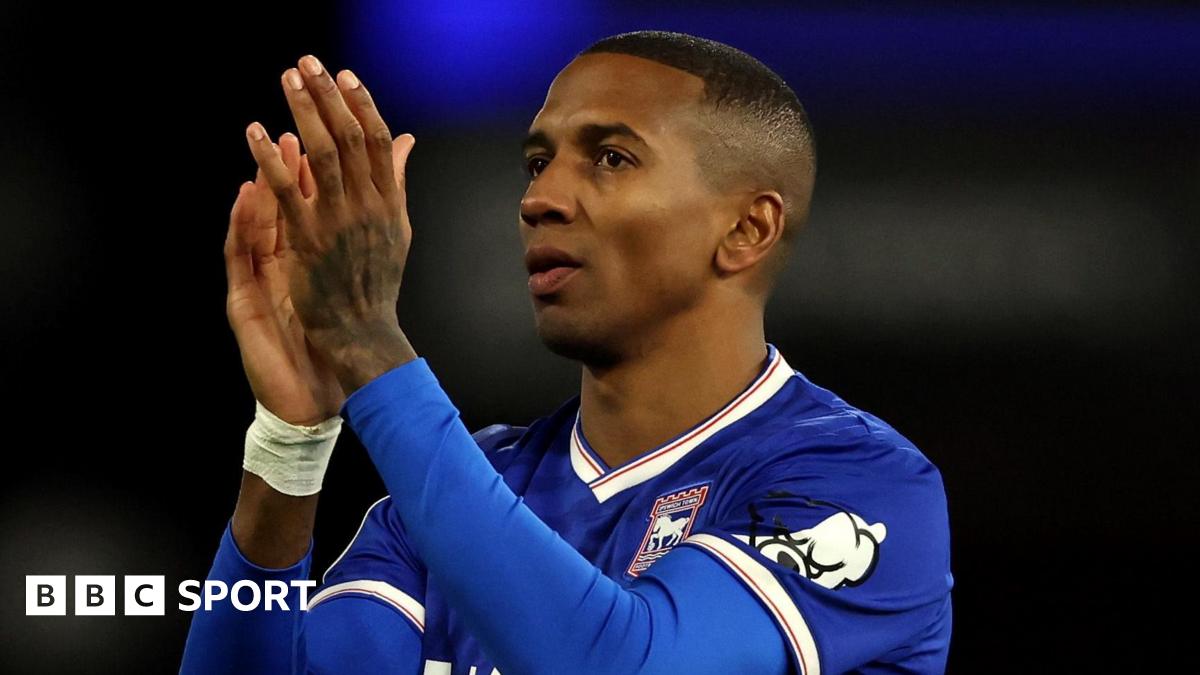
Ashley Young announced his retirement this week, capping a journey that spanned over two decades of top-flight English football. At 40, he is calling it a day after his current stint at Ipswich. As the Daily Mail reported, his statement felt reflective of a bygone era, marking the end of a professional commitment that began back in the early 2000s.
Young transformed from a tricky winger at Watford to a disciplined defensive asset at Manchester United and Aston Villa. Even in his final years, his durability remained his most impressive trait. Most players fade into the fringes of lower-tier squads well before reaching this age, but Young managed to contribute consistently as an experienced head in the dressing room.
Ipswich faces a difficult transition without their tactical safety net
While the tributes are pouring in, the immediate reality for Ipswich is far more pressing. The team has leaned heavily on Young's ability to slot into multiple defensive configurations, particularly when the system requires a fullback who can progress the ball through the press. Without his utility, the squad lacks a clear replacement for his specific brand of tactical intelligence.
The data suggests that Ipswich has struggled significantly when Young is rotated out of the starting lineup. Their possession retention drops by roughly 14% and their defensive transition metrics look chaotic when they lose that veteran stability. It is one thing to honor a retiring legend; it is another to realize mid-table equilibrium might collapse once those minutes are redistributed to less experienced players.
The metrics versus the sentiment
Critics would point out that Young's defensive recovery pace has inevitably declined. His duel success rate has dipped to under 48% over the last six months, a clear sign that his ability to track high-energy wingers has vanished. The move to retire is technically the correct decision for all parties involved.
However, the emotional weight of his departure shouldn't mask the lack of succession planning at Portman Road. Relying on an octogenarian’s veteran savvy is a stop-gap, not a strategy. As noted by the BBC regarding his decision, this represents 23 years of continuous professional play, a feat that is become increasingly rare in the modern game where fatigue and injury records shorten shelf lives.
The final stretch demands more than nostalgia
The remaining matches in this campaign are not a victory lap for Ipswich. They are at risk of drifting toward the bottom of the table if the defensive structure isn't re-tooled immediately. Young’s presence was a bandage on a leaky system, and removing that bandage now will expose the structural cracks that appeared as early as the mid-March fixtures.
My prediction for the final games of this Ipswich season is a downward trend in points per match. The psychological impact of his impending departure combined with limited depth at the wide-back position will likely result in a lack of composure during late-game scenarios. Expect the team to drop points in at least three of their final five games as they struggle to replicate the positional discipline Young provided nightly.