The ghost of Seaview still haunts the selection process
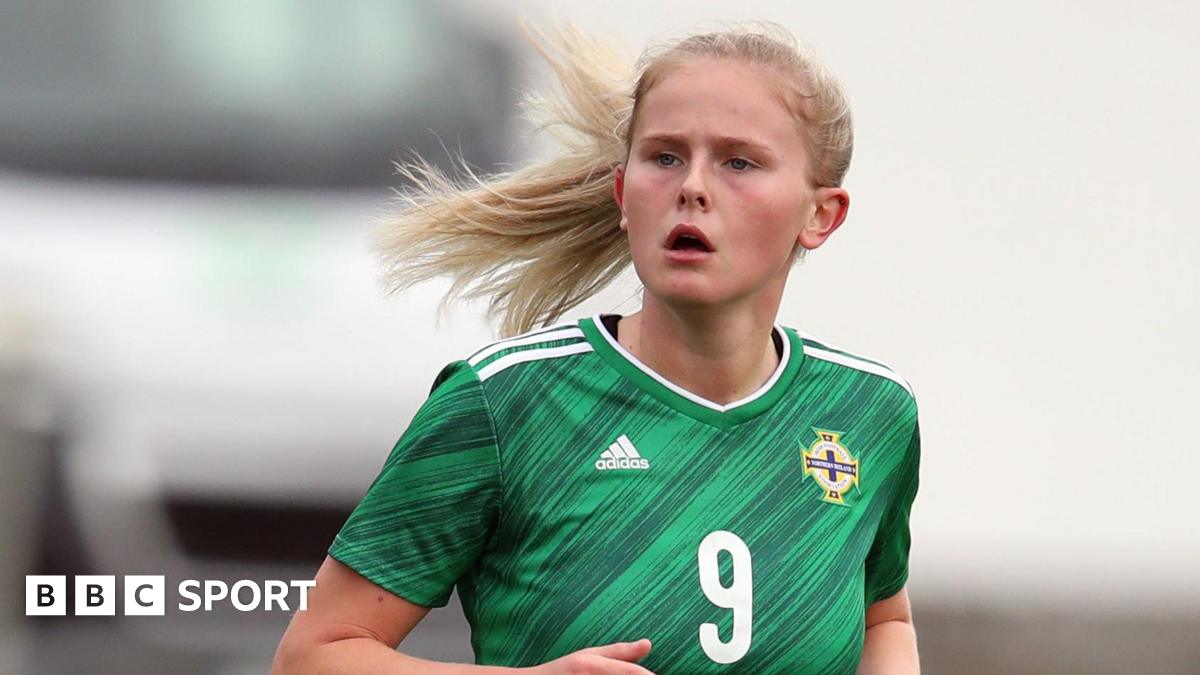
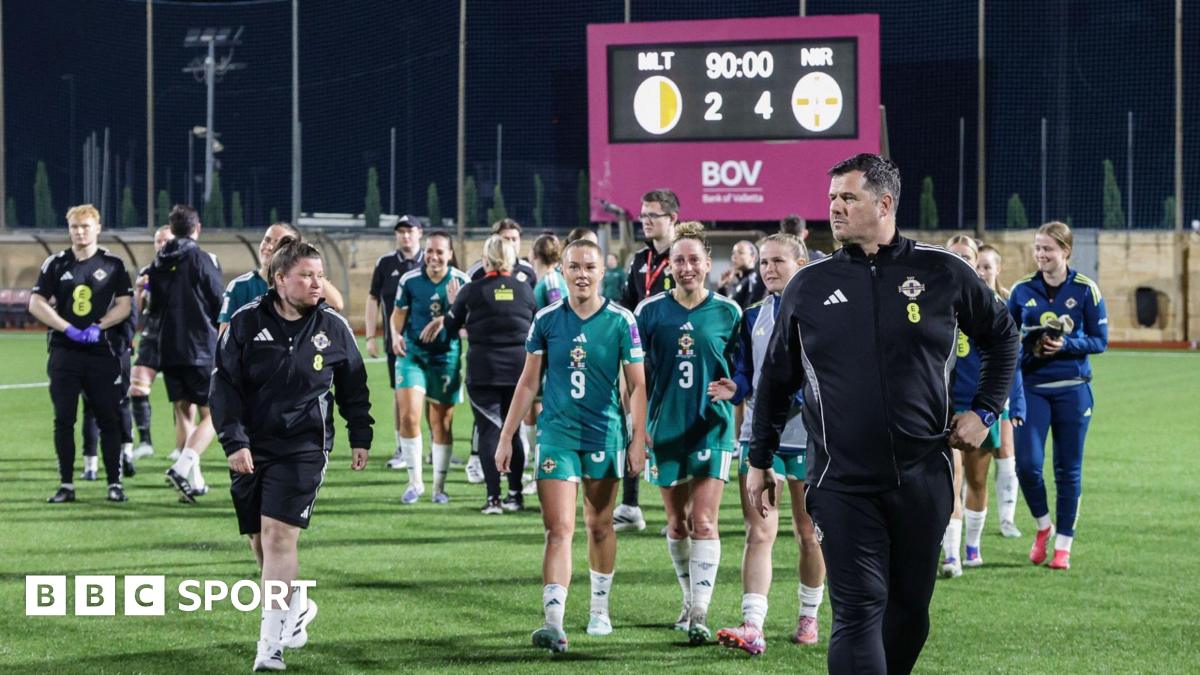
Five years is an eternity in international football. On this day in 2021, Northern Ireland secured a historic Euro 2022 qualification by dispatching Ukraine in Belfast. It was a moment of pure, unadulterated sporting meritocracy. But as The BBC recently reported, defender Rebecca McKenna insists the squad is still hungry to make more history. Hunger is a fine motivator, but it is a poor substitute for tactical evolution and squad depth.
The current setup under Tanya Oxtoby has moved away from the high-variance, emotional football of the Kenny Shiels era. We no longer see the frantic, buccaneering transitions that defined their run to the Euros. Instead, Northern Ireland has become a side defined by defensive rigidity and a low block that often feels more like a bunker than a tactical choice. The data suggests this shift was necessary—Northern Ireland's goals-against average has stabilized—but it has come at a massive cost to their offensive output.
In the last six competitive fixtures, the national team has averaged an xG of just 0.82 per 90 minutes. That is a terrifying statistic for a team harboring ambitions of reaching the 2027 World Cup. When you look at the shot maps from their recent outings, the problem becomes clear. They are taking speculative efforts from distance because the structural path to the box has been dismantled in favor of defensive security. You cannot qualify for major tournaments on 30% possession and prayer.
The McKenna metric and the modern fullback role
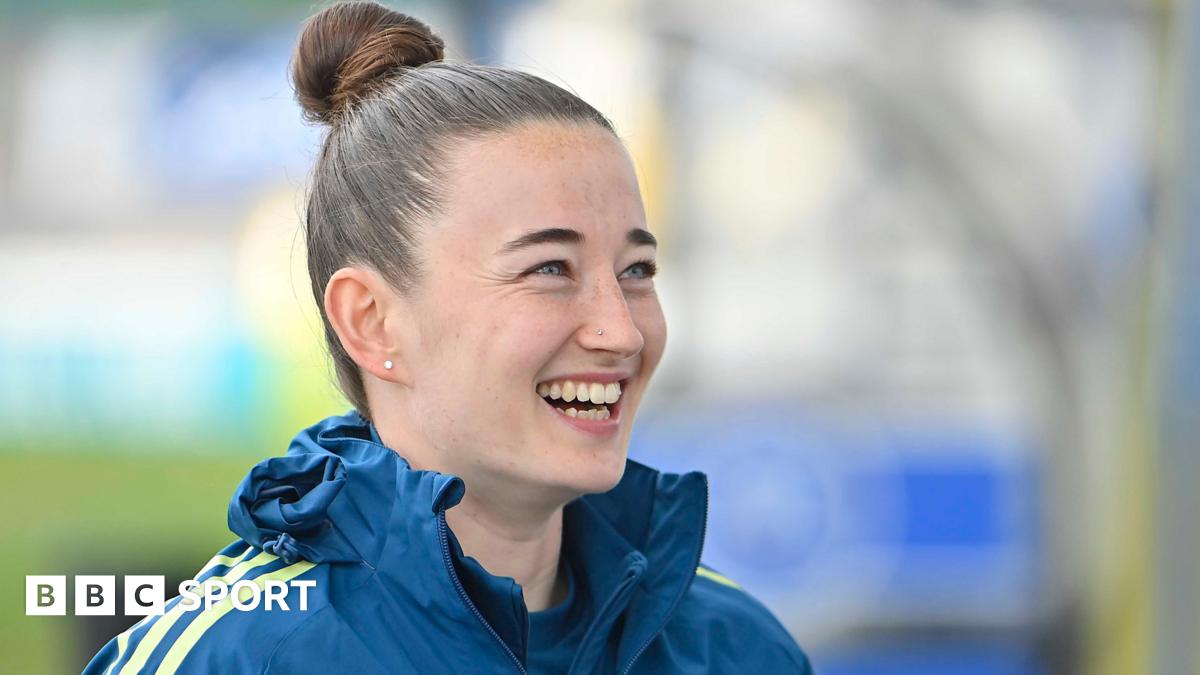
Rebecca McKenna remains the brightest spot in this transition. Her development at Birmingham City has turned her into a genuine tactical asset rather than just a functional defender. She is currently one of the few players in the squad capable of progressive carries that break the first line of an opponent's press. In her last three starts, she has completed 78% of her forward passes, a figure that stands out in a team that often resorts to long, aimless clearances under pressure.
However, the burden on McKenna is becoming unsustainable. Because the midfield lacks a true pivot capable of receiving the ball under pressure, McKenna is often forced to act as both a secondary playmaker and a primary recovery defender. We saw this flaw exposed in the 14th minute of their last match against elite opposition, where a simple overlapping run dragged her out of position, and the lack of cover behind her led to a conceded goal. It was a structural failure that no amount of individual 'hunger' could fix.
"Northern Ireland are 'hungry' to make more history, five years on from their historic Euro 2022 qualification."
The quote from McKenna reflects the mentality of a group that refuses to accept they might have already hit their ceiling. But the reality of the UEFA coefficient is cold. As the women's game professionalizes rapidly across Europe, the gap between the full-time professionals and the part-time domestic players in the Irish League is widening. Northern Ireland is currently caught in the middle, relying on a core of WSL-based veterans while struggling to integrate the next generation of talent from home.
The creative void and the aging core
We have to talk about the lack of a Plan B. When the low block is breached, Northern Ireland often looks like a team without a compass. The reliance on Simone Magill as a lone outlet is bordering on tactical negligence. Magill is a world-class finisher when provided with service, but she spent most of the last international window chasing shadows and fighting for headers against two-center-back pairings that outweighed her by ten kilos. The lack of a creative number ten is the single biggest barrier to their progression.
Furthermore, the squad is getting older. The core that took them to Euro 2022 is largely still the core in 2026. While experience is valuable, international football at the highest level is increasingly a game of elite athleticism and recovery speed. We are seeing tired legs in the final twenty minutes of matches, leading to a spike in goals conceded after the 70th minute. If Oxtoby doesn't start blooding youth players in high-stakes environments soon, the drop-off in 2027 will be catastrophic.
There is also a worrying trend in their set-piece delivery. Once a primary source of goals, Northern Ireland’s conversion rate from corners has plummeted. They are no longer winning the first header in the box, and their second-ball anticipation is sluggish. This is a sign of a team that has lost its competitive edge in the 'dark arts' of the game—the very things that allowed them to punch above their weight five years ago.
The verdict for the 2027 World Cup cycle
The road to the 2027 World Cup goes through a revamped qualification system that does not favor nations of Northern Ireland's size. They are likely to find themselves in a playoff situation again, but the level of opposition in those brackets has shifted. Five years ago, Ukraine was a beatable hurdle. Today, the potential playoff opponents include rapidly improving sides like Portugal or Scotland, both of whom have invested heavily in their domestic professional structures.
My prediction for this cycle is one of frustrating stagnation. Northern Ireland has enough tactical discipline to avoid being embarrassed by the giants, but they lack the clinical edge to dispatch the mid-tier teams they need to leapfrog. They will likely secure their place in League B of the Nations League, but the World Cup remains a bridge too far for this specific iteration of the squad.
- Lack of creative depth in central midfield
- Over-reliance on Rebecca McKenna's ball progression
- Aging defensive line struggling with recovery speed
- Declining xG in competitive fixtures
Oxtoby's preference for a 4-1-4-1 formation provides a safety net, but it acts as a straitjacket for their attacking talent. Until they find a way to transition from 'hungry' to 'clinical,' the history they made in 2021 will remain a lonely peak in the rearview mirror. Expect a valiant effort in the qualifiers, but ultimately, a third-place finish in their group and a narrow playoff exit will be the outcome. The romance of the underdog story has faded; now, it is just about the cold, hard numbers on the pitch.
Read Next
- Caroline Weir is the tactical brain Scotland needs for 2027
- Tottenham’s high line just became a suicide pact without Cristian Romero
- Michael Carrick is the smartest tactical choice United will probably ignore
- Michael Carrick is the only adult in the room at Old Trafford
- 🏆 World Cup 2026 — Full Coverage Hub
- Northern Ireland at the 2026 World Cup — Full Coverage Hub