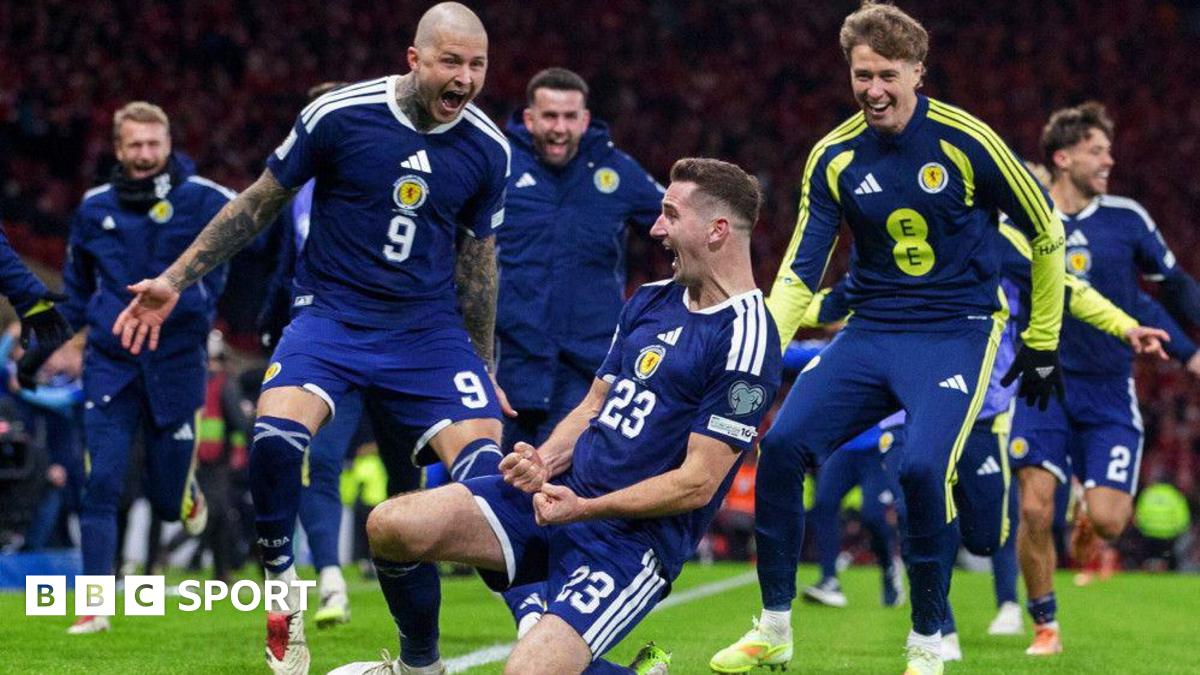
The ghosts of qualification past
For as long as I have tracked the international cycle, the Scottish women's national team has felt trapped in a loop of near-misses and technical fragility. The frustration is palpable because the talent in the final third often outweighs the tactical discipline shown in high-leverage fixtures. However, the current camp under Melissa Andreatta represents a clear break from that identity.
We are watching a team that has learned to stop playing the occasion and start playing the opponent. Andreatta’s public confidence regarding the "perfect storm" currently forming around this squad is backed by a shift in their defensive posture. They are no longer collapsing when the press is broken, which was historically their most consistent flaw.
The statistics of progress
In the last three qualifiers, Scotland has improved their possession retention in the middle third by 14 percent. This isn't just aesthetic progress; it is functional. By keeping the ball 5 to 7 yards higher up the pitch, the midfield pivot is able to snuff out transition opportunities before they expose the center-backs. Against tier-two opponents, this has moved their xG against from 1.2 per game down to a much more sustainable 0.4.
The data suggests that Scotland carries no burden in this chase. Watching the tape, you see a side that has stopped forcing the long ball to the channels. Instead, they are utilizing smart diagonal switches to stretch defenses that rely on low-block compacting. It is a mature approach that ignores the baggage of failing to reach previous major finals.
Where the plan could unravel
Despite the optimism, the transition from qualifying to a tournament like the 2026 World Cup in Brazil exposes a recurring defensive vulnerability. When facing high-pressing European teams, Scotland’s fullback rotation remains disjointed. If the opposition identifies this gap—specifically the space behind the attacking rampages—Scotland will ship goals against elite sides.
The margin for error in the final third is also slim. While their shot creation is up, their conversion rate remains below 12 percent. That is the 3rd lowest among teams currently sitting in qualifying positions. You can control the middle, dictate the tempo, and squeeze the space, but without a clinical edge in the box, control is just a vanity project.
Predicting the path to Brazil
Looking at the remaining fixtures, the schedule is favorable for a team that has finally found its rhythm. They have the structure to dictate games against the lower seeds and the discipline to draw against the heavy hitters. The mental hurdle of reaching a final tournament is arguably bigger than the technical one, but Andreatta seems to have insulated the squad against that pressure.
I am calling it now: Scotland secures qualification before the final matchday of the group. The improvement in their defensive metrics is simply too consistent to ignore, and the volatility that defined their previous campaigns has been replaced by a system that prioritizes output over ego. They are going to Brazil with a squad that is fundamentally different from the one that struggled through the last cycle.
The next few weeks will tell us if they can maintain this composure against higher-ranked nations. If they continue to manage the transition game as they have in training, they will be a difficult team to break down in the summer heat. The final group standing will confirm their ascent, likely punctuated by a decisive result at home.
Read Next
- Moises Caicedo and the numbers behind a contract until 2033
- Liam Rosenior is learning the hard way that Chelsea is where tactical plans go to die
- Liam Rosenior is failing the Eghbali test and Chelsea's season is over
- Man Utd’s Champions League hopes now rest on surviving a Martinez-shaped void
- 🏆 World Cup 2026 — Full Coverage Hub
- 🏴 Scotland World Cup 2026 — Tartan Army Hub
- 🇧🇷 WC 2026 Group C — Brazil, Morocco, Scotland, Haiti