The Ten-Year Wall
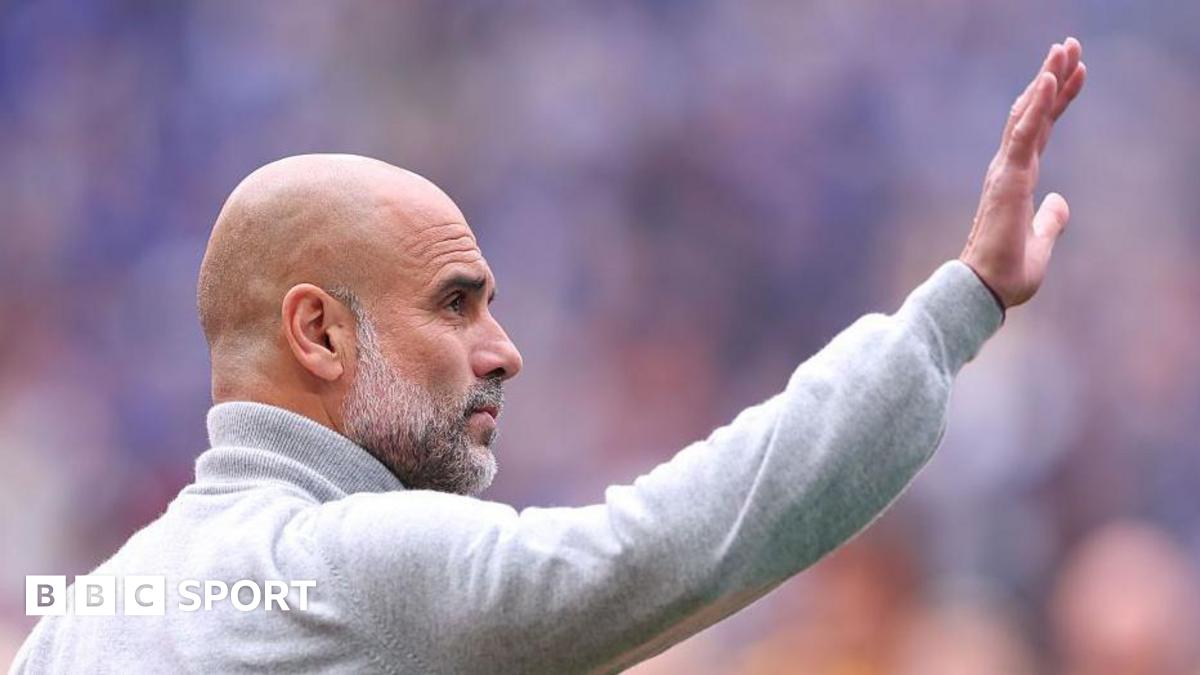
The numbers behind Pep Guardiola’s decade at Manchester City represent the most sustained period of statistical dominance in the history of English football, but they also reveal why he is walking away now. After 10 seasons and a final game against Aston Villa this Sunday, the data shows a project that has finally hit the ceiling of its own internal logic.
For the first time in 22 years, Arsenal are the champions of England. As Declan Rice noted, the Gunners have finally broken the Manchester City stranglehold. Guardiola isn't leaving at the peak of a mountain; he is leaving because the energy required to stay there has become mathematically unsustainable. In elite management, the ten-year mark is less of a milestone and more of a structural failure point.
The Philosophy of Crazy
Guardiola’s tenure was defined by what those inside the club called a philosophy of crazy. According to reports on the untold decade, this involved everything from gravity inversion tactics to a level of micro-management that one agent described as a boss who has to know and control everything you do. It was a high-variance, high-reward system that demanded total psychological submission from its players.
The cost of this control is visible in the squad turnover. Over 10 seasons, Guardiola shaped and reshaped his roster, identifying 11 specific players who defined the tactical shifts of the era. He spat out stars who couldn't handle the intensity and promoted those who could thrive in his inverted systems. But you can only invert gravity for so long before the weight of the league pulls you back down.
The Statistical Decline of Dominance
When you look at the raw output, the transition is clear. City didn't fall off a cliff; they were simply caught by a younger, hungrier Arsenal side that mirrored their own tactical blueprints. Guardiola has admitted that nothing is eternal, and the confirmation of his exit this weekend follows a season where the clinical edge finally blunted. City are no longer the inevitability they were in 2023.
The squad's reliance on high-frequency passing and positional rigidity required a physical output that eventually plateaued. While Sky Sports reports focus on the unparalleled success, the reality is that City lost the title in the final 10 games of the 2025/26 season. The gap between their Expected Goals (xG) and actual conversion rates narrowed for the first time in three years.
The Maresca Succession Problem
Enzo Maresca is reportedly ready to take over, but the data suggests he is walking into a trap. History shows that when a manager of Guardiola's profile leaves after a decade of total control, the institutional knowledge vacuum is massive. City have taken steps to avoid a post-Pep collapse, but replacing the man who controlled every variable is a fool's errand. Maresca is a Pep disciple, but he lacks the same 10-year equity with the board.
The logic of hiring a mini-Pep is clear: maintain the system. However, systems are nothing without the force of personality that drives them. Maresca's win percentage at previous clubs doesn't suggest he can maintain the 90-plus points average that Guardiola established as the baseline for success in Manchester. City are betting on the blueprint, but they are losing the architect.
The Final Whistle at the Etihad
Guardiola's final pre-match press conference was an exercise in calculated closure. He knows his time is up because he has nothing left to optimize. When you have spent 3,652 days perfecting a machine, and that machine finally loses a race to a 22-year-old drought-breaker in North London, the internal calculation changes. He is leaving to avoid the inevitable regression that follows such extreme specialization.
There is a critical failure in the way we view this exit. Most analysts see it as a graceful retirement from a job well done. In reality, it is a strategic retreat. Guardiola is smart enough to know that the squad needs a total overhaul to compete with the new Arsenal/Liverpool era, and he doesn't have another five-year cycle of crazy left in him.
A Legacy Written in Percentages
The Pep era will be remembered for its trophies, but its true legacy is the elevation of the statistical floor. Before 2016, 85 points could win you a title. After Pep, you needed 95 points just to feel safe. He changed the math of the Premier League, and in doing so, he made the league so competitive that even he could no longer keep pace with his own standards.
Sunday’s match against Aston Villa is a formality for a man who has already checked out. The tear-jerking videos and emotional statements are for the fans. For Guardiola, the decision was likely made months ago when the data showed Arsenal weren't going away. He has always been a manager of numbers, and right now, the numbers are telling him to go.
Read Next