The Polish revolution hits the mainstream
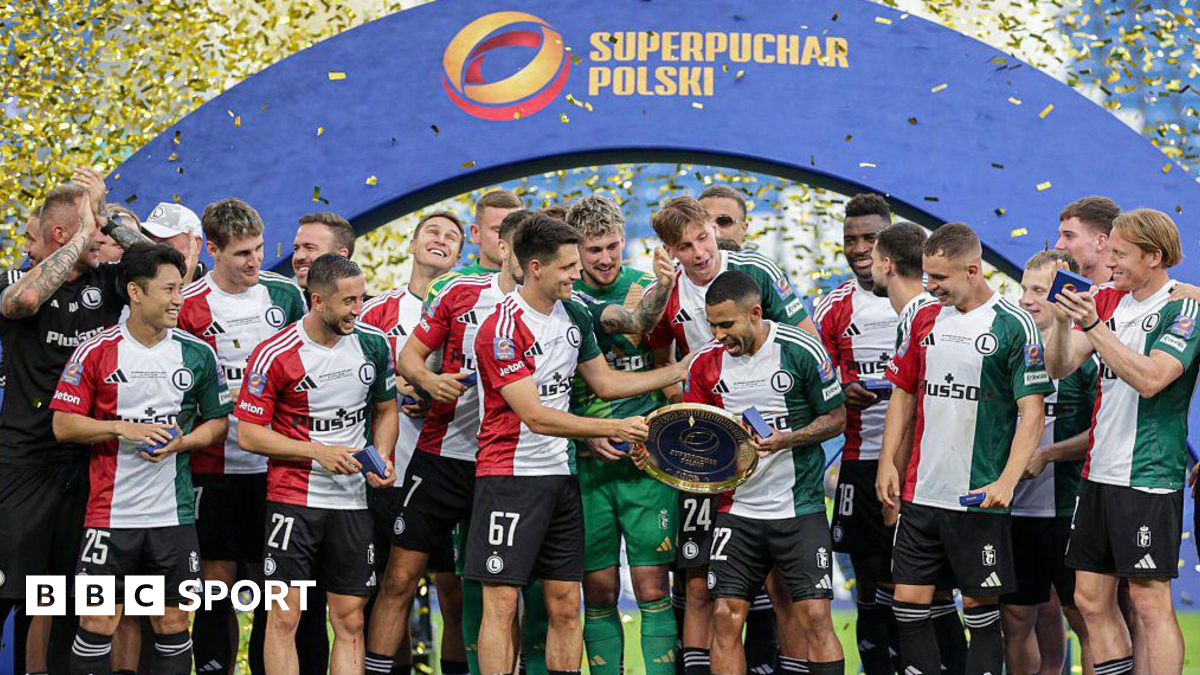
For years, the Polish Ekstraklasa held a reputation for attritional football and uninspired scouting. That narrative has shifted violently in the last eighteen months, transforming the league into a genuine laboratory for tactical innovation. As Guillem Balague recently noted, the league has moved from a national embarrassment to a must-watch competition for analysts.
The shift isn't just about better pitches or modernized broadcast deals. Clubs like Raków Częstochowa and Lech Poznań have implemented aggressive, high-pressing systems that contrast sharply with the cautious approach that previously dominated the region. It is a refreshing departure from the low-block stagnation seen in similar tier-two European divisions.
Tactics over tradition
Watch a match in Zabrze or Białystok today and you will find complex patterns of play. Midfielders are now encouraged to manipulate half-spaces rather than simply recycling possession along the touchline. This structural evolution has resulted in a much higher average xG per match than in previous seasons.
Defensive managers have been purged in favor of coaches who prioritize ball progression through the thirds. While this has certainly increased entertainment value, it has also created a volatility that often exposes poor individual technical ability. Some of the high-line setups I observed earlier this month bordered on reckless, leaving center-halves stranded in 1-v-1 situations far too often.
The developmental pipeline
The Ekstraklasa is now serving a vital purpose for young talent across Eastern Europe. It operates as an effective bridge for players who are not quite ready for the Bundesliga or Serie A but have clearly outgrown the lower-level academies of their home countries.
This influx of hungry, younger athletes has increased the intensity of the league. You see it in the pressing metrics, which sit significantly higher than they did during the 2023 campaign. The physical demands are rising, but the tactical maturity is not yet perfectly aligned with that output. Still, identifying the next star emerging from this environment is becoming a standard exercise for scouts across the continent.
The reality check
Despite the optimism, the league suffers from significant depth issues. The gap in quality between the top three clubs and the bottom five is glaring. When you analyze the match data from February, the disparity in completed passes under pressure between a title contender and a relegation-battler was a staggering 24 percent gap.
This inequality impacts the competitive integrity of the league. Certain clubs struggle to maintain the high physical intensity required by their own systems for a full 90 minutes. You often see collapses occurring in the 75th minute as anaerobic thresholds are breached. It is a fascinating, yet fundamentally flawed, development project.
Prediction for the remainder of this season: The championship will go down to the final day, but expect the defensive structure of the eventual winner to be the deciding factor. The side that manages their transition moments with the most caution will lift the trophy. I suspect the current league leaders are better equipped for this than their competitors.