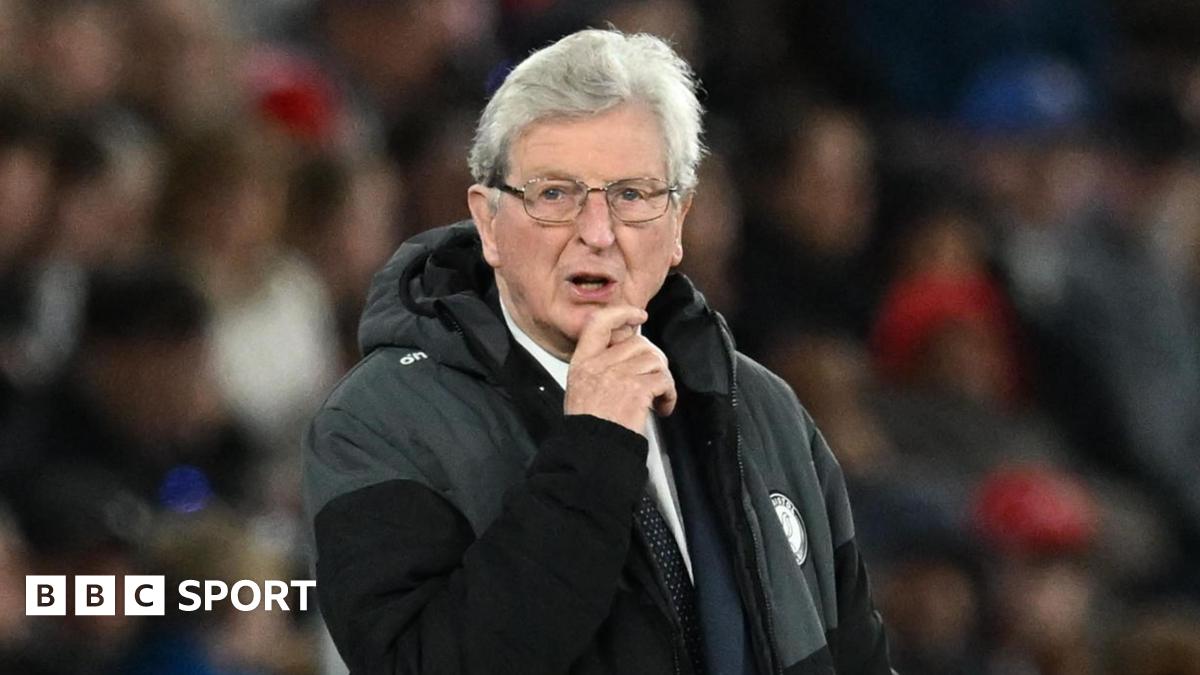
The sickness of the dugout
Football management is an incurable sickness. No medical professional can treat the addiction to the whistle, the smell of damp grass, and the visceral anxiety of a Saturday afternoon. Roy Hodgson is 78 years old. He has millions in the bank. He has a wife who has undoubtedly planned a decade of quiet European river cruises. And yet, he is back.
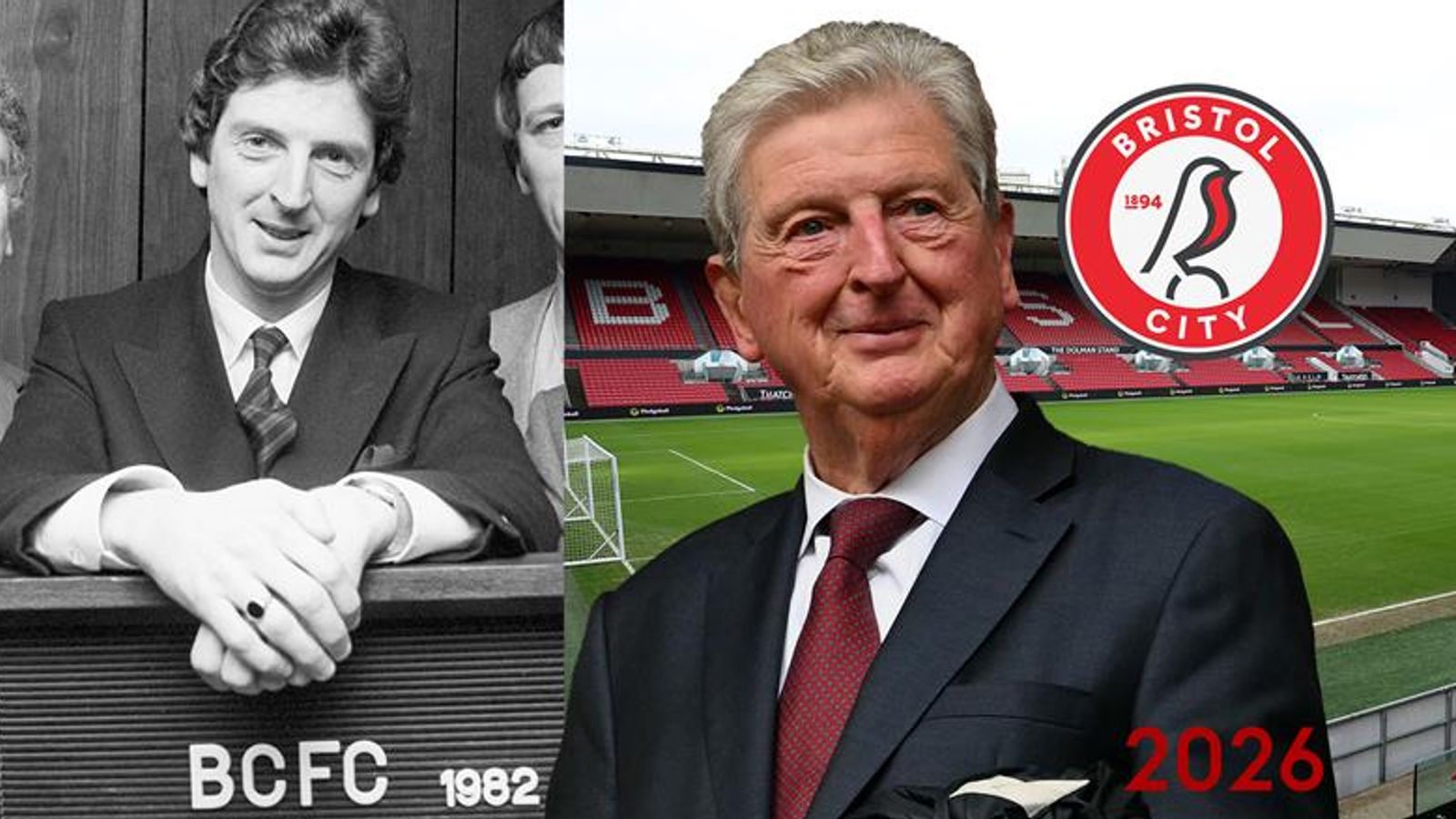
When the news broke via The Mirror yesterday, the immediate reaction was not excitement, but a collective gasp of genuine concern from the footballing public. The man who guided Inter Milan and managed his country has stepped back into the pressure cooker of English football to take over at Bristol. It is staggering. It is both a massive endorsement of his tactical endurance and a terrifying indictment of his inability to let the game go.
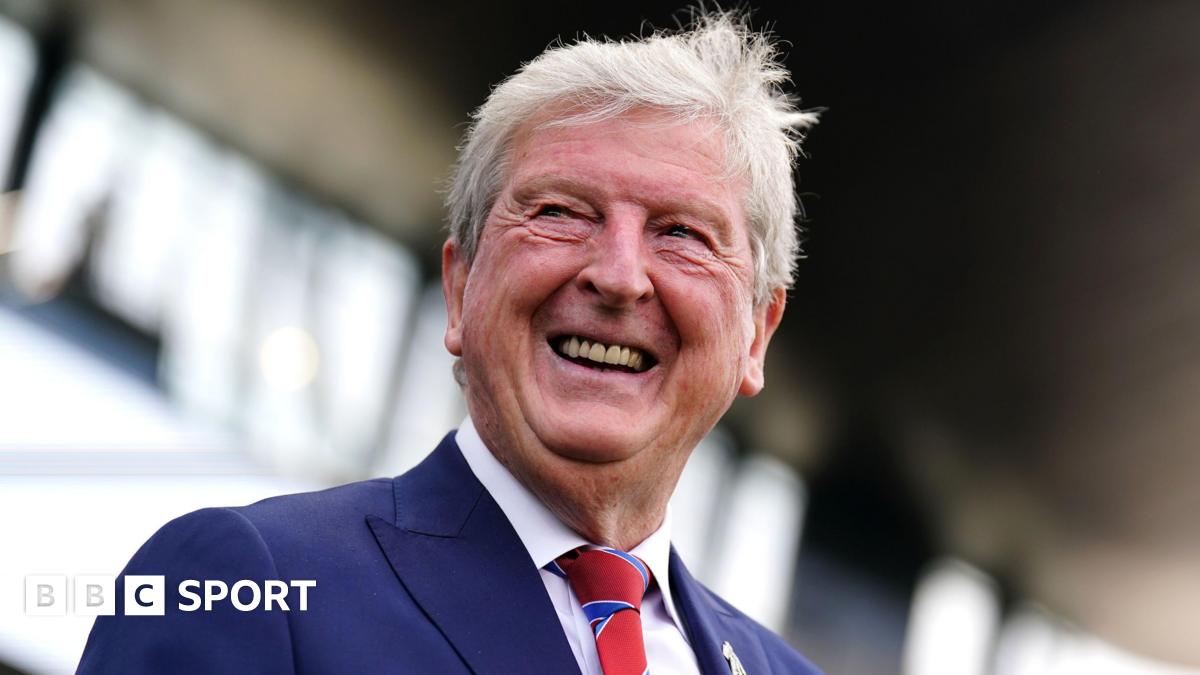
We all saw how it ended at Crystal Palace. The training ground collapse. The awful, lingering fear that the stress of Premier League survival was literally killing a beloved elder statesman of the English game. He stepped away. He was safe. The tributes poured in, painting a picture of a man who had served his time in the trenches. We all breathed a sigh of relief. And now, in the spring of 2026, he has actively chosen to return to the meat grinder.
The tactical reality of a 2026 Hodgson side
What does a Roy Hodgson team look like in the modern era? We know exactly what it looks like, and that is precisely why a desperate board picks up the phone. There will be no inverted fullbacks wandering into the number ten space. There will be no fluid front fives rotating dynamically in the final third.
Hodgson relies on the 4-4-2 block. Two banks of four, drilled until the players see the white lines in their sleep. The distances between the center-back and the central midfielder will be exactly twelve yards. If the opposition switches the play, the entire unit shifts across the pitch on an invisible pendulum. It is a system built on repetition, discipline, and a profound distrust of individual improvisation in defensive areas.
It is rigid. It is often unglamorous. But it is incredibly difficult to break down. Modern attacking players, raised on positional play and exploiting half-spaces, frequently find themselves running headfirst into a brick wall of disciplined, compact bodies. Hodgson does not care about your expected goals model or your possession statistics; he cares about denying space in the penalty area.
The wide midfielders are the unsung heroes of this system. They are not wingers; they are shuttlers. They are expected to track the opposition full-back to the corner flag and then somehow provide an outlet for the clearance. It demands an absurd level of cardiovascular fitness. At Bristol, he will inherit a squad that is likely ill-equipped for this immediate physical demand. The training sessions over the next month will be brutal, repetitive, and entirely focused on defensive shape.
The moral question for the boardroom
There is a harsh criticism to be leveled at the Bristol hierarchy here. Appointing a 78-year-old man who recently suffered a stress-related health scare borders on the irresponsible. It suggests a complete lack of imagination and a catastrophic failure of succession planning from the sporting director down.
Football clubs are notoriously short-sighted, but banking your immediate future on an octogenarian-in-waiting is a new level of desperation. They are buying the Hodgson defensive block, but they are also taking on the immense physical risk associated with his age. It is a calculated gamble with a man's health in exchange for short-term stability.
The English Football League is not a kind environment. It is a relentless schedule of Tuesday night away games, frozen pitches, and hostile crowds. It demands a physical and emotional toll that breaks men half Hodgson's age. To ask him to navigate this requires a ruthless level of cynical calculation from the boardroom. They are prioritizing survival over welfare, which, while common in football, rarely looks this blatant.
A rejection of the modern coach
Look around the dugouts of elite football right now. They are filled with thirty-something tacticians tapping on iPads, wearing designer sneakers, and speaking in dense academic jargon about pressing traps and rest-defense. Hodgson represents the absolute antithesis of this movement.
He is a tracksuit manager who still believes the game is won and lost in the monotonous drills of a Thursday morning session. He doesn't want a data scientist to tell him why his team is conceding from set-pieces; he wants the left-back to stop losing his marker at the back post. There is no mystery to his methods, only an insistence on perfect execution.
There is a profound comfort in his stubbornness. In a sport that constantly tries to reinvent itself, Hodgson stands as a monolith of traditional defensive principles. He took Fulham to a European final with these methods. He stabilized a chaotic Crystal Palace multiple times. The methods work, provided the players are willing to suffer for the shape. It is a stark reminder that football, fundamentally, is about keeping the ball out of your net by any means necessary.
The personal cost
The Mirror report noted his wife's honest opinion, and one can only imagine the conversations in the Hodgson household. The sheer selfishness of the football manager is laid bare in this decision. To drag your family back into the anxiety loop of results, refereeing decisions, and injury crises at the age of 78 is a choice only a truly obsessed individual makes.
Sheila Hodgson has lived through the sackings, the triumphs, the international media scrutiny, and the health scares. The promise of retirement, the quiet life in Richmond, the ability to watch a Saturday afternoon results show without your heart rate spiking—all tossed aside for the thrill of a relegation scrap or a mid-table push in the second tier.
He doesn't need the money. He certainly doesn't need the grief. His legacy was cemented long ago. He has managed Inter Milan, Liverpool, and the English national team. He has nothing left to prove to anyone. This return is entirely about his own internal need to stand on the touchline and feel the adrenaline spike at 3:00 PM. The game is a drug, and Hodgson is an addict who cannot stay away from the clinic.
It is hard not to feel a mixture of deep respect and genuine concern. We watch these managers age in dog years. The graying hair, the deepening lines, the exhausted post-match interviews. Hodgson has already given the game everything. To ask for more feels greedy, both on his part and the club's.
What happens next at Bristol?
The immediate impact is predictable. The goals conceded column will shrink. The chaotic, wide-open matches that define the lower leagues will be suffocated by Hodgson's wet blanket. He will turn the remaining fixtures into grueling wars of attrition. Opposing fans will complain about the anti-football, and Bristol fans will quietly celebrate the clean sheets.
He will likely demand a veteran holding midfielder on a free transfer. He will isolate a few younger, technically gifted players who refuse to track back, dropping them from the squad entirely. The football will not be pretty, but it will be mathematically effective. He knows exactly how to build a fortress out of limited resources.
If Bristol are in a relegation dogfight, this is the safest pair of hands in the country. He knows how to turn a 1-0 deficit into a scraped 1-1 draw away from home. He knows how to game the clock in the 88th minute.
But the lingering anxiety will remain. Every time a referee makes a terrible call, every time a stoppage-time goal goes in, the cameras will instantly pan to the 78-year-old on the bench. We will all be watching his face, not for tactical insight, but to ensure he is simply okay. The touchline is a dangerous place for a man in his late seventies, regardless of his tactical acumen.
My prediction? He keeps them steady. He stabilizes the sinking ship. He grinds out three consecutive 0-0 draws in April as the fixture list piles up. And then, at the end of the season, he will announce his retirement again. And this time, maybe, just maybe, the sickness will finally have passed. But I wouldn't bet my house on it.