The Burden of the Shirt
Scotland has a deeply complicated relationship with international tournament football. The narrative loop is painfully familiar to anyone who follows the national team closely. A wave of media optimism builds, followed by a heavy reality check on the pitch, which inevitably leads to a miserable post-mortem about mentality and grit.
It is a vicious cycle that has defined the squad for years. The talent has often been present, but the psychological endurance required to navigate high-stakes qualifiers has frequently gone missing when the lights shine the brightest.
But something fundamental is shifting in the way this current iteration of the squad operates. The top players are no longer just making up the numbers in decent leagues. They are central, indispensable figures in some of the most ruthlessly demanding club environments in European football.
Andreatta's Clear Directive
Head coach Melissa Andreatta has seen this shift, and she is openly banking on it to change Scotland's fortunes. Her recent comments to the BBC cut straight through the usual meaningless pre-camp cliches that managers usually offer the press.
Andreatta explicitly noted that having members of the squad "playing with high pressure" at club level will directly benefit the national side's quest for the World Cup. She is not hiding from the immense expectations. She is leaning directly into them.
She is entirely right to take this stance. For too long, the jump from domestic club football to the intensity of international knockout football looked far too steep for certain members of the squad. You simply cannot replicate the suffocating tension of a World Cup qualifier during a meaningless mid-table domestic clash.
The Reality of Elite Club Football
When you wear a Chelsea shirt or a Real Madrid shirt, dropping two points on a Sunday is treated like a full-blown crisis. The local press dissects every misplaced pass. The demanding fanbases expect absolute, unwavering perfection every single week.
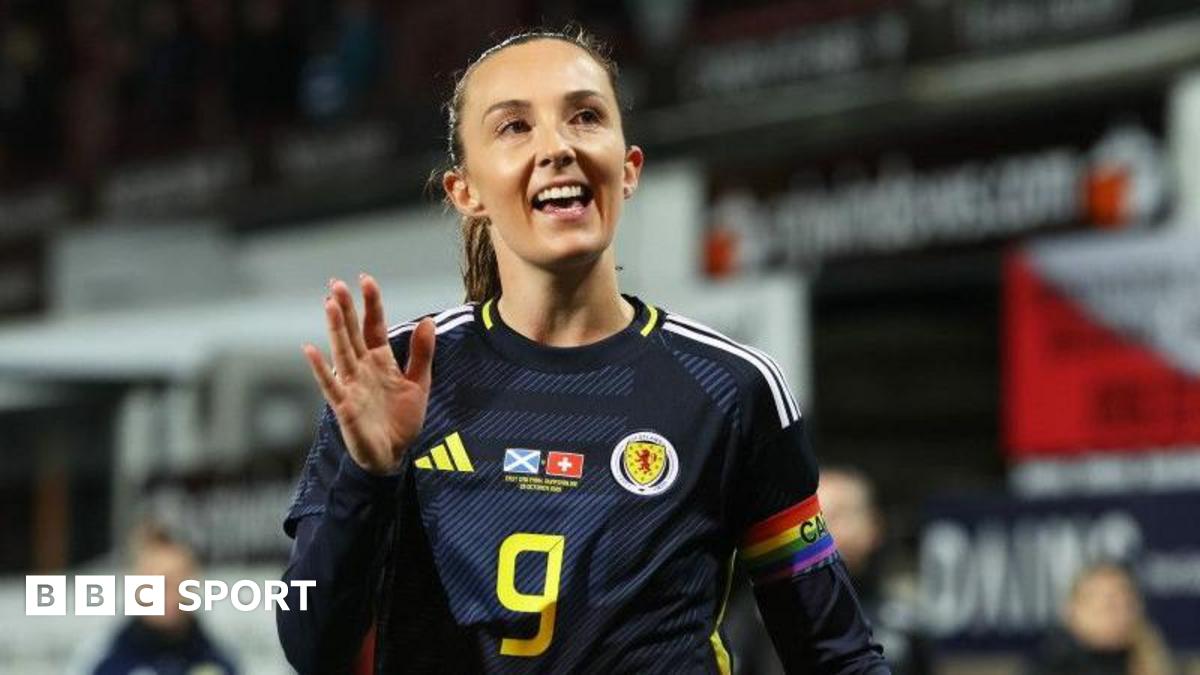
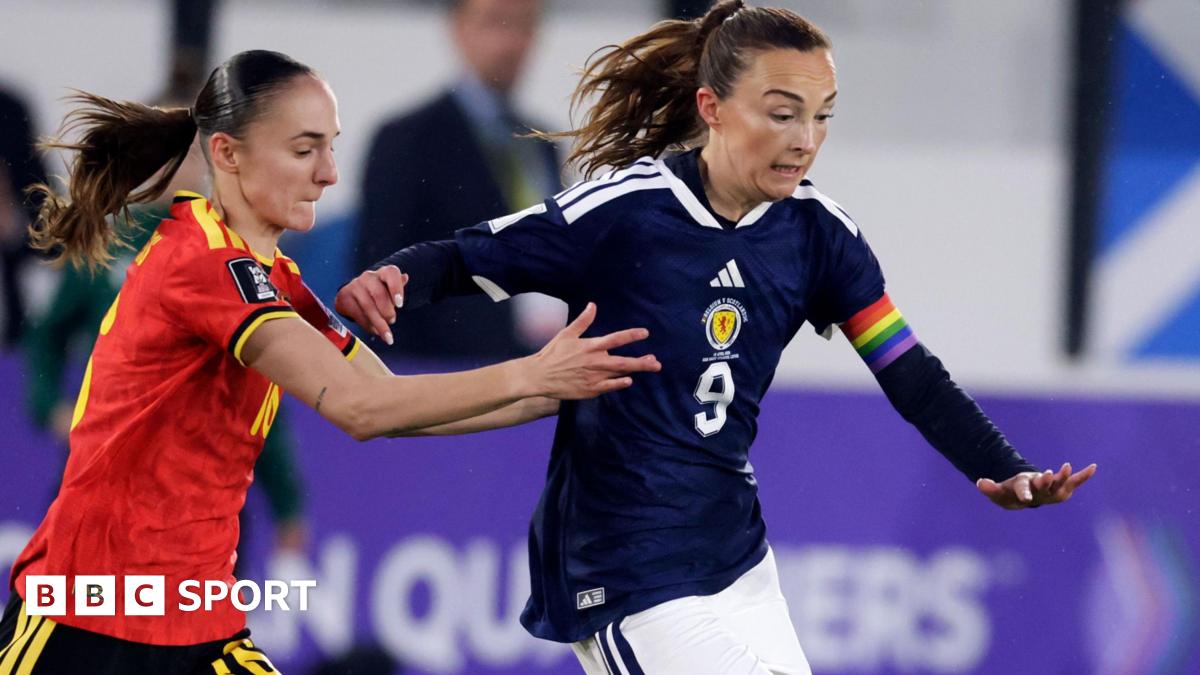
That is the hostile environment players like Erin Cuthbert operate in constantly. She doesn't just survive the pressure at Chelsea; she actively sets the tempo. When Cuthbert steps onto the pitch for Scotland, the weight of the occasion does not paralyze her. She expects the burden.
The same applies to Caroline Weir navigating the demands of Real Madrid. The Spanish capital is entirely unforgiving. You are expected to unlock stubborn low blocks while tens of thousands of people grumble at your first heavy touch.
That daily grind hardens a player significantly. It builds a psychological callous that you cannot develop on the training ground. You only get it by walking into the fire repeatedly.
Press Resistance and Tactical Evolution
Mentality is a great talking point, but it has to actually translate to the pitch. Historically, Scotland has struggled immensely when asked to control games against mid-tier opposition. They could sit deep and suffer against heavyweights, but breaking down stubborn defenses exposed a glaring lack of composure.
That is exactly where the high-pressure club experience pays massive dividends. Players accustomed to dominating possession for their elite clubs are far less prone to panic when Scotland needs to dictate play. They understand the exact spacing required to stretch a low block effectively.
When your midfield engine room spends nine months of the year executing precise tactical plans, the national team reaps the rewards. The passing combinations become noticeably sharper. The transition from defense to attack loses that frantic, desperate edge that used to plague this team.
We are seeing a noticeable desire from Scotland to play out from the back, even when pressed aggressively. The center-backs are splitting wider, inviting the opposition forward to create passing lanes into the midfield pivots. It is a high-risk strategy that requires absolute ice in the veins.
The Glaring Depth Problem
But let's be entirely honest here, because the optimism needs a severe reality check. Andreatta's reliance on elite club experience masks a terrifying squad depth issue. The drop-off in quality between the Champions League regulars and the rest of the squad remains a massive vulnerability.
If Scotland suffers a couple of injuries in the midfield, the entire tactical system looks incredibly fragile. You can have three players operating at the highest level of European football, but if the backline is carrying players who look panicked under a basic high press, the structure collapses entirely.
Andreatta has not solved this depth problem yet. She is heavily relying on her stars to drag the rest of the team up to their standard. When the elite players have an off day, Scotland looks completely devoid of a backup plan.
This reliance on a few key figures means the margin for error is dangerously thin. Opposing managers know this glaring weakness. If you man-mark Scotland's two best midfielders out of the game, the rest of the team often struggles to progress the ball past the halfway line.
Setting the Pressing Traps
To mask these deficiencies, Scotland has to defend proactively. When you play for a top club, defending is an attacking action. You don't just sit in a rigid shape and hope the opponent misses the target. You set deliberate, aggressive traps.
Andreatta is trying to implement this exact modern philosophy. You let the opposition center-back step out with the ball. You allow the seemingly safe pass to the full-back. The moment the ball travels, the entire forward line shifts violently to close the space.
The winger jumps the passing lane, the striker cuts off the switch of play, and the midfield pivot aggressively closes down the receiver. This level of coordinated pressing requires immense cognitive load and physical exertion.
Players who execute these pressing triggers in the WSL or Liga F are physically conditioned for it. They recognize the visual cues instantly. For the players operating in lower-intensity leagues, catching up to this mental speed is a grueling process.
The Cognitive Load of International Breaks
The psychological toll of international windows is rarely discussed properly. Players fly in on a Monday, have three days to learn a complex tactical plan, and then play a massive game on a Friday night.
The cognitive speed required to adapt to Andreatta's system is immense. This is another area where the elite club players excel. They are used to absorbing vast amounts of tactical information from demanding club managers on very short notice.
When Andreatta tweaks the formation during the halftime break, the top-tier players process the instruction and execute it immediately. There is no lag. That immediate tactical translation is what separates the elite nations from the also-rans.
Managing the Game State
There is a massive difference between playing well and winning football matches. Scotland has historically struggled to manage the dark arts of the game when holding a narrow lead. They have dropped points from winning positions far too often in previous qualification campaigns.
Elite club football teaches you how to kill a game dead. When Chelsea are up by a single goal away from home in the final minutes, the ball goes directly into the corner flag. The players know exactly how to draw fouls, slow down the restart, and frustrate the opposition.
Andreatta needs her senior players to bring that cynical edge to the national team. You do not get extra points for playing beautiful football while blowing a late lead. You have to know how to suffer and run down the clock professionally.
The Midfield Battleground
Most international fixtures are won or lost in the center of the pitch. If you cannot establish a foothold in the midfield, your forwards will starve and your defense will eventually crack under sustained pressure.
The high-pressure environment of the Champions League forces midfielders to scan the pitch constantly. They develop an innate sense of where the pressure is coming from before they even receive the ball. This spatial awareness is the difference between keeping possession and launching a dangerous counter-attack for the opposition.
When Scotland's midfield pivot receives the ball under intense pressing, they cannot afford a heavy touch. The club pedigree of these players ensures that they can operate in tight spaces, manipulate the defensive block, and find the penetrating pass that breaks the lines.
The Final Third Composure
The other vital area where high-pressure experience manifests is inside the penalty box. International football is notoriously tight and unforgiving. Chances are premium currency. You might only get two clear sights of goal in an entire match.
Players who score regularly in high-stakes club matches do not snatch at those chances. They take the extra half-second to compose themselves. They understand the geometry of the goalframe intuitively because they test themselves against world-class goalkeepers every day in training.
Scotland has historically lacked that ruthless, cold-blooded streak. They have created chances in big games, but the final action has often been frantic or hurried. Andreatta is gambling that the composure her players show in domestic cup finals will finally translate to the national team.
If they can find that clinical edge, the entire complexion of their qualification campaign changes. Goals change games, but they also shatter the confidence of opposing teams who thought they were comfortable.
The Final Verdict
The World Cup qualification process is the ultimate test of nerve. Tactics matter heavily, and physical fitness is non-negotiable, but international tournaments are usually decided by who blinks first under extreme duress.
Melissa Andreatta has drawn a clear line in the sand. She is looking at her squad and seeing a core group of players who are no longer intimidated by the occasion. The club pressure is no longer a heavy burden; it is the tactical blueprint for survival.
Scotland will grind out the necessary results to stay in the hunt, but fans should not expect champagne football. The glaring depth issues will undoubtedly cause a few heart-stopping moments over the next year. However, the sheer willpower of their elite-level stars will drag them over the line when the margins are tightest. Expect a gritty 1-0 victory in their next massive fixture, driven entirely by a midfield that absolutely refuses to panic.
Read Next
- Spurs must lock down Romero as Aston Villa threaten their top-four push
- Arsenal's Carabao Cup hangover guarantees a Champions League exit
- Mohamed Salah and Liverpool are finally running out of road
- Eilidh Adams is back but Scotland still face a massive tactical hurdle
- 🏴 Scotland World Cup 2026 — Tartan Army Hub
- 🇧🇷 WC 2026 Group C — Brazil, Morocco, Scotland, Haiti