The Frustrating Growth in Leuven
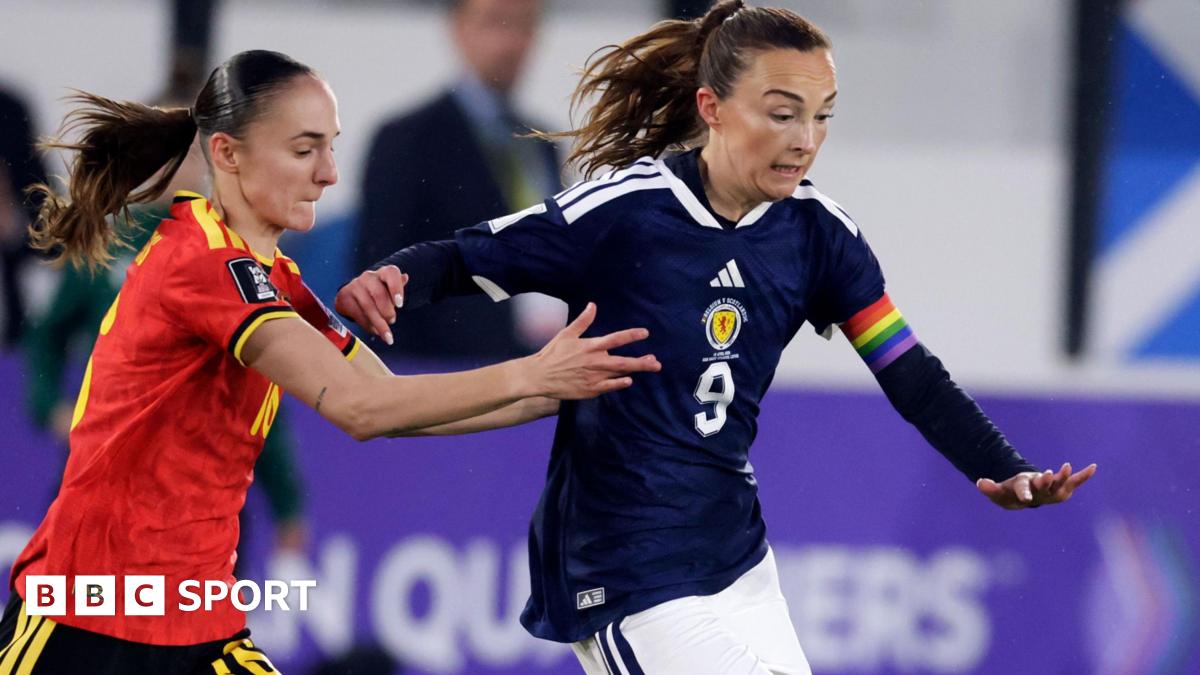
Scotland walked off the pitch in Leuven last night feeling like they had dropped two points rather than gained one. A 0-0 draw away against Belgium is objectively a strong result for any side in Group B4. Yet, the mood in the dressing room was one of irritation. This shift in expectation is the clearest evidence of the progress made under Melissa Andreatta. The players no longer see themselves as plucky underdogs hoping to survive against top-tier European opposition.
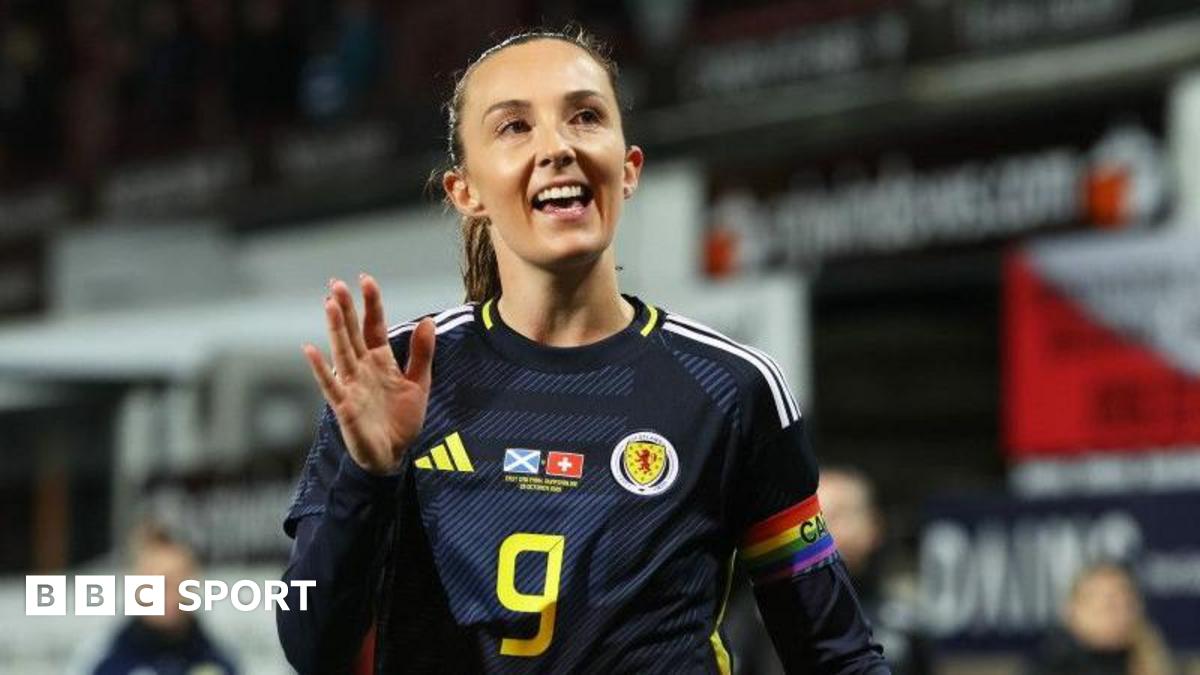
The frustration stems from a game where Scotland dictated the tempo and created the better chances in the second half. Kathleen McGovern was inches away from a winner, only to be denied by a desperate last-ditch block. Caroline Weir nearly turned provider in the dying seconds with a cross that deserved a better finish. As the BBC reported, this performance showed a level of tactical maturity that was missing even twelve months ago.
However, the inability to find the net highlights a mounting fitness crisis in the Scottish attack. While the defensive structure remained disciplined, the lack of clinical finishing points to the absence of key personnel. Manager Melissa Andreatta noted that her team is reconnecting with a resilient part of their culture. But resilience alone cannot compensate for a physio room that is starting to look crowded at exactly the wrong time.
The Martha Thomas Hamstring Setback
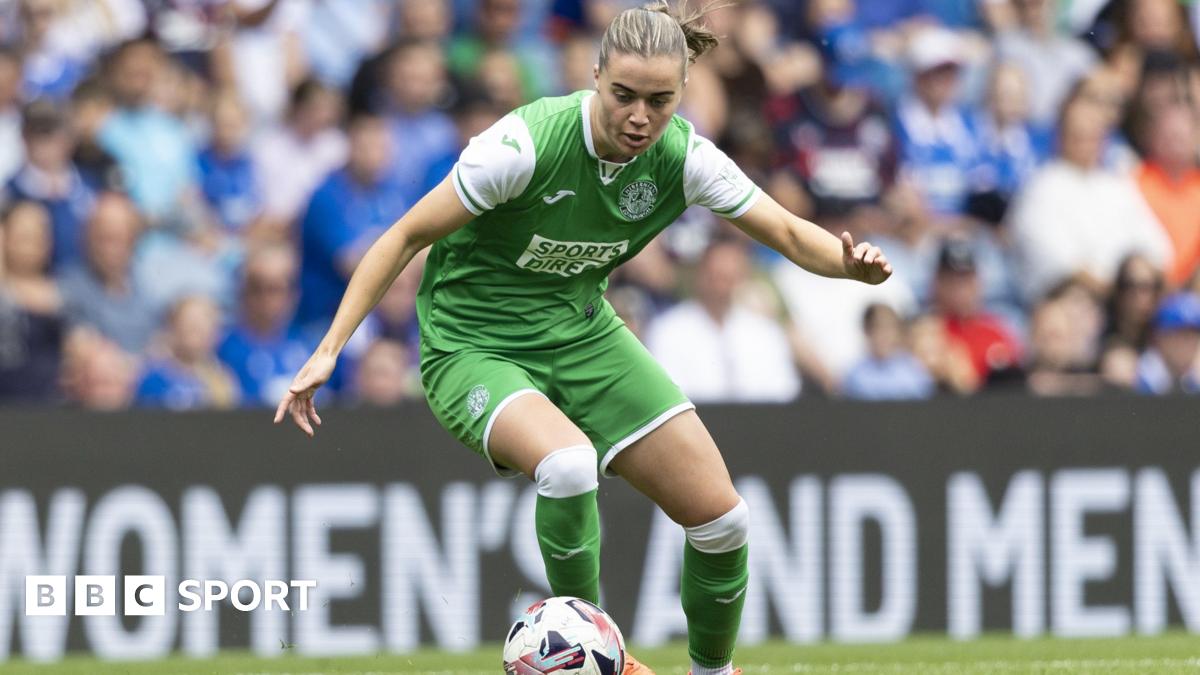
The most significant blow to the squad came in mid-April with the loss of Martha Thomas. The Tottenham forward sustained a hamstring strain that forced her out of both Belgium fixtures. This was not just a loss for the national team; it has immediate consequences for the WSL. Thomas is officially sidelined for Tottenham's match against Bristol City today, Sunday, April 19. Her absence leaves a void that Scotland struggled to fill over 180 minutes of football.
Medical staff have categorized the injury as a Grade 2 strain, which typically carries a recovery timeline of 2-3 weeks. This puts her return in early May, potentially just in time for the final push of the domestic season. Hamstring injuries are notoriously fickle for players who rely on explosive pace and sudden changes of direction. Thomas has a history of managing these muscular issues, and the decision to withdraw her was a precautionary measure to prevent a long-term tear.
Without Thomas, Scotland lacked a focal point capable of pinning back the Belgian center-backs. McGovern worked tirelessly, but she does not yet possess the same physical presence or elite-level movement. The technical staff will be monitoring Thomas closely over the next fourteen days. If her recovery hits any snags, Scotland's attacking options for the summer will look dangerously thin.
Emma Lawton and the Defensive Rotation
The defensive line was also hit by a late withdrawal that forced a tactical reshuffle. Emma Lawton started the first leg in Edinburgh on April 14 but aggravated a minor leg injury during that 1-1 draw. Despite initial hopes that she could recover for the trip to Leuven, the knock proved too stubborn. Lawton was officially withdrawn from the squad on April 18, just hours before kickoff. This led to an emergency call-up for Amy Muir, who had to integrate into the starting eleven on short notice.
Muir performed admirably under pressure, helping to secure the clean sheet against a Belgian side that rarely threatened. But the loss of Lawton disrupted the chemistry that had been building on the right flank. Lawton's ability to transition from defense to attack has been a vital component of Andreatta's system. When a player with that specific athletic profile is removed, the team often becomes more static.
This rotation is a recurring theme for Scotland as they navigate a grueling qualifying schedule. The physical demands of playing two high-intensity internationals in the space of five days are immense. Lawton's injury appears to be a classic case of fatigue-related strain. The medical team will likely prescribe a period of load management to ensure she is available for the next international window in late May.
The Caroline Weir Recovery Benchmark
If there is a beacon of hope in the medical report, it is the continued health of Caroline Weir. After a grueling eighteen-month recovery from a ruptured ACL, the captain finally looks like her former self. Weir led the team through both April matches, playing the full 90 minutes in Leuven. Her return to full intensity is the single most important development for Scottish football in 2026. She is no longer playing with the tentative caution that often follows major knee surgery.
Weir's biomechanics look stable, and her vision remains the team's greatest asset. Her ability to survive two physical matches in a week is a victory for the rehabilitation protocols implemented by both her club and the national team. However, the reliance on Weir is becoming heavy. When she is the only world-class creative outlet available, opponents can focus their defensive efforts on neutralizing her space. This was evident in Leuven, where Belgium often deployed two players to shadow her every move.
The ACL epidemic that decimated the Scottish squad in 2024 and 2025 appears to have subsided. But the memory of that period still lingers. Every time a player like Weir or Thomas goes down, there is a collective intake of breath from the fans. The medical staff are under immense pressure to ensure that the current crop of minor knocks does not evolve into another wave of long-term absences.
Attacking Voids and Strategic Gaps
The fitness issues are not limited to those who were in Leuven. Claire Emslie remains a long-term absentee as she is currently on maternity leave. Listed under the Season-Ending Injury category by Angel City FC, her absence removes another veteran goalscorer from the equation. Kirsty Hanson also missed the matchday squad for the first Belgium game and was not fully utilized in the second. These missing pieces combined to create an attacking unit that lacked cohesion.
Scotland's inability to convert possession into goals is a structural problem exacerbated by these absences. When you are missing your starting striker and two primary wingers, your tactical flexibility disappears. Andreatta has tried to rotate the squad to find a winning combination, but the drop-off in quality from the first-choice eleven is noticeable. This lack of depth is the biggest threat to Scotland's World Cup ambitions.
Looking across the wider Scottish sporting environment, this fitness struggle seems to be a national trend. The Scotland Women's Rugby team is currently navigating a similar crisis in the Six Nations. Emma Orr is out with a knee injury, and Evie Wills suffered an arm injury just yesterday, April 18. While the sports are different, the struggle to maintain a fully fit squad during peak competition periods is a shared challenge. It suggests that the physical ceiling of these athletes is being tested more than ever before.
Strategic Implications for the World Cup
Scotland currently sits at the top of Group B4, but their lead is precarious. With only 53 days remaining until the FIFA World Cup 2026 kickoff, every minor injury is amplified. The 0-0 draw in Belgium was a sign of growth, but it was also a warning. If Thomas or Lawton cannot return to full fitness quickly, the team risks stumbling at the final hurdle of qualification. The tactical maturity Andreatta has instilled is impressive, but it needs the right tools to be effective.
The critical observation here is that Scotland's bench lacks the game-changers needed to break down a organized defense. In Leuven, when the game was stretched in the final twenty minutes, the substitutions did not provide the necessary spark. There is a worrying reliance on a small core of elite players. If two or three of those players are missing, the team's ceiling drops dramatically. This is not a knock on the effort of the fringe players, but a reality of the current talent pool.
The next few weeks will be vital for the Scottish medical staff. They need to manage the return of Thomas and Lawton with precision. Any further setbacks would leave the squad dangerously unbalanced. The frustration in Leuven was real because the players know they are good enough to win these games. But to actually do it on the world stage, they need their best players on the grass, not in the treatment room. The signs of growth are there, but the fitness of the squad remains the ultimate wildcard.
Read Next