Tactical paralysis at the back
Scotland enters the match against Morocco with the weight of recent performances pressing down on the squad. Watching the side against recent opposition, the five-man defensive block often devolves into six, with wing-backs pinned to the touchline by deep-dropping wide forwards. This leaves central midfielders isolated, forced to cover vast horizontal space against technically adept opponents who exploit the 25-yard gap between the defensive line and the midfield pivot.
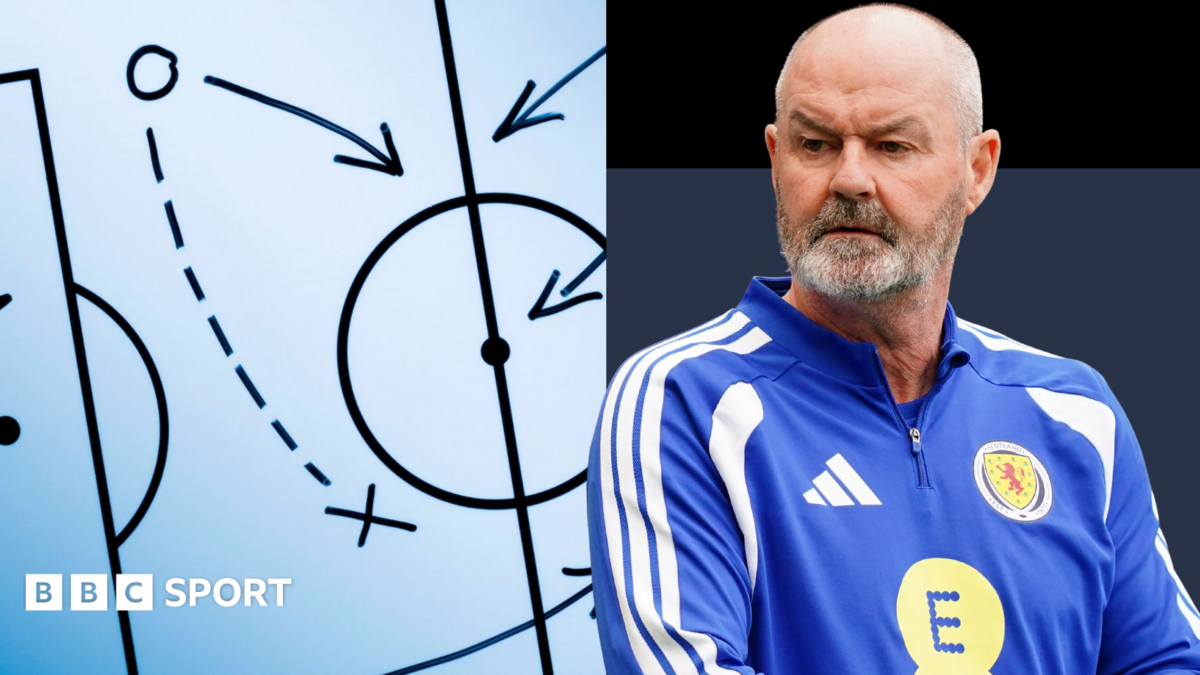
Technical quality is not the issue, but the application of that quality is stifled by a rigid adherence to a safety-first geometry. Steve Clarke has built a machine designed to prevent losses rather than create scoring opportunities, an approach that forces the team to rely on set-piece variance. If the ball does not hit a tall scalp from a delivery, the forward line is essentially non-existent in open play.
The Morocco threat profile
Morocco demands a proactive shifting mechanism that this Scotland setup currently lacks. Their ability to rotate the ball through the half-spaces requires disciplined man-marking triggers, yet Scotland’s defensive instruction manual remains rooted in zonal coverage that looks hesitant when pulled out of shape. Without aggressive pressing in the final third, Morocco’s playmakers will find the pockets between Billy Gilmour and the back three.
Analysis of previous matches suggests that once Morocco manages to commit bodies to the final third, Scotland’s reactive movement patterns trigger errors. Miscommunications between centre-backs often result in late challenges just outside the penalty area, gifting opportunities to sides that specialize in dead-ball routines. This has been a recurring flaw in the build-up to the Morocco fixture that warrants scrutiny.
Selection headaches and structural gaps
The call for personnel changes is loud, yet the fundamental issue is the tactical ceiling created by the current formation. Whether Scott McTominay operates as a secondary striker or a box-to-box engine changes little if the balls being delivered into the final third are predictable lateral switches. Scotland needs more vertical intent, yet they persist with a possession percentage that favors passing sideways rather than breaking lines.
Expect Morocco to identify this lack of verticality early. They will likely sit in a mid-block, baiting the Scottish press, before utilizing their superior pace in transition to exploit the high starting positions of the wing-backs. This is the danger of a Clarke-coached side during high-stakes matches: the tendency to become overly rigid when the pressure dictates a need for fluid adjustment.
The prediction
Optimism is a difficult commodity to find given the evidence provided by recent clean sheets or the lack thereof against top-tier pressing sides. Tactical stagnation is likely to define the ninety minutes here, with Scotland struggling to convert possession into high-quality xG. Expect a cagey 1-1 draw where both sides cancel each other out in the middle of the pitch for long stretches, ending in frustration for the traveling support who expected an attacking shift.
Read Next
- Scottish Premiership 2026/27: Early observations on the fixture release
- Argentina's ranking drop is a warning, not a panic button
- Munoz to Liverpool is a move driven by raw efficiency
- England's defensive fragility will haunt them long before the semi-finals
- 🇲🇦 Morocco World Cup 2026 — Atlas Lions Hub
- 🏴 Scotland World Cup 2026 — Tartan Army Hub
- 🇧🇷 WC 2026 Group C — Brazil, Morocco, Scotland, Haiti