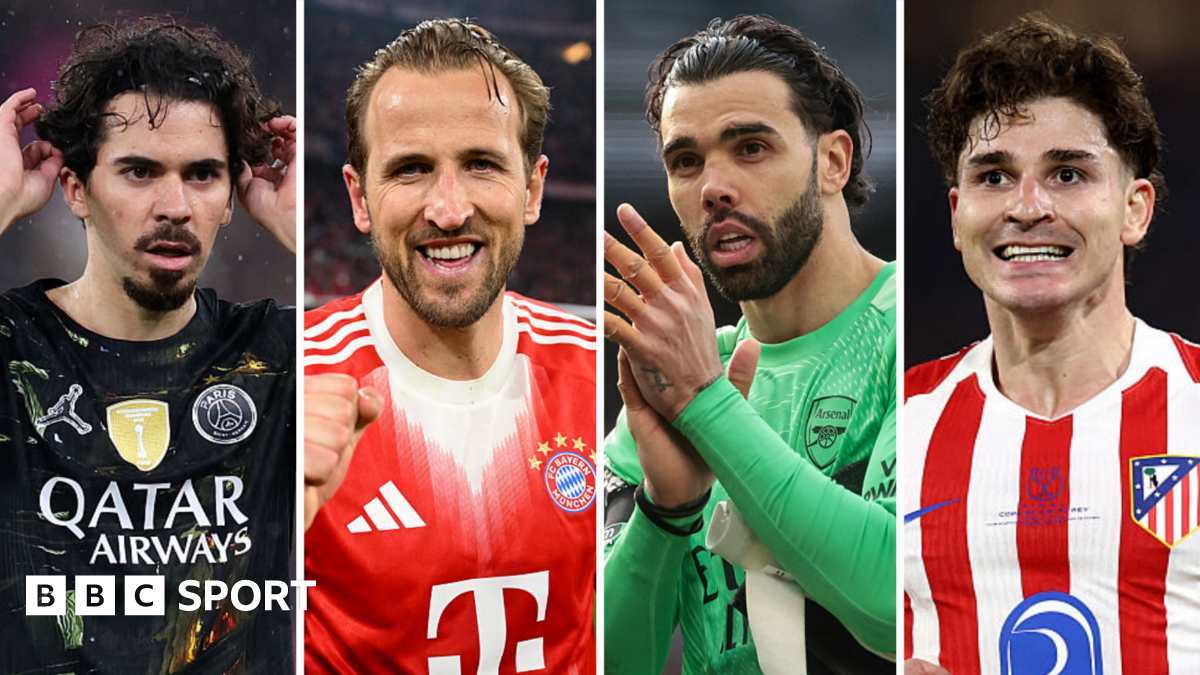
The threshold of European glory
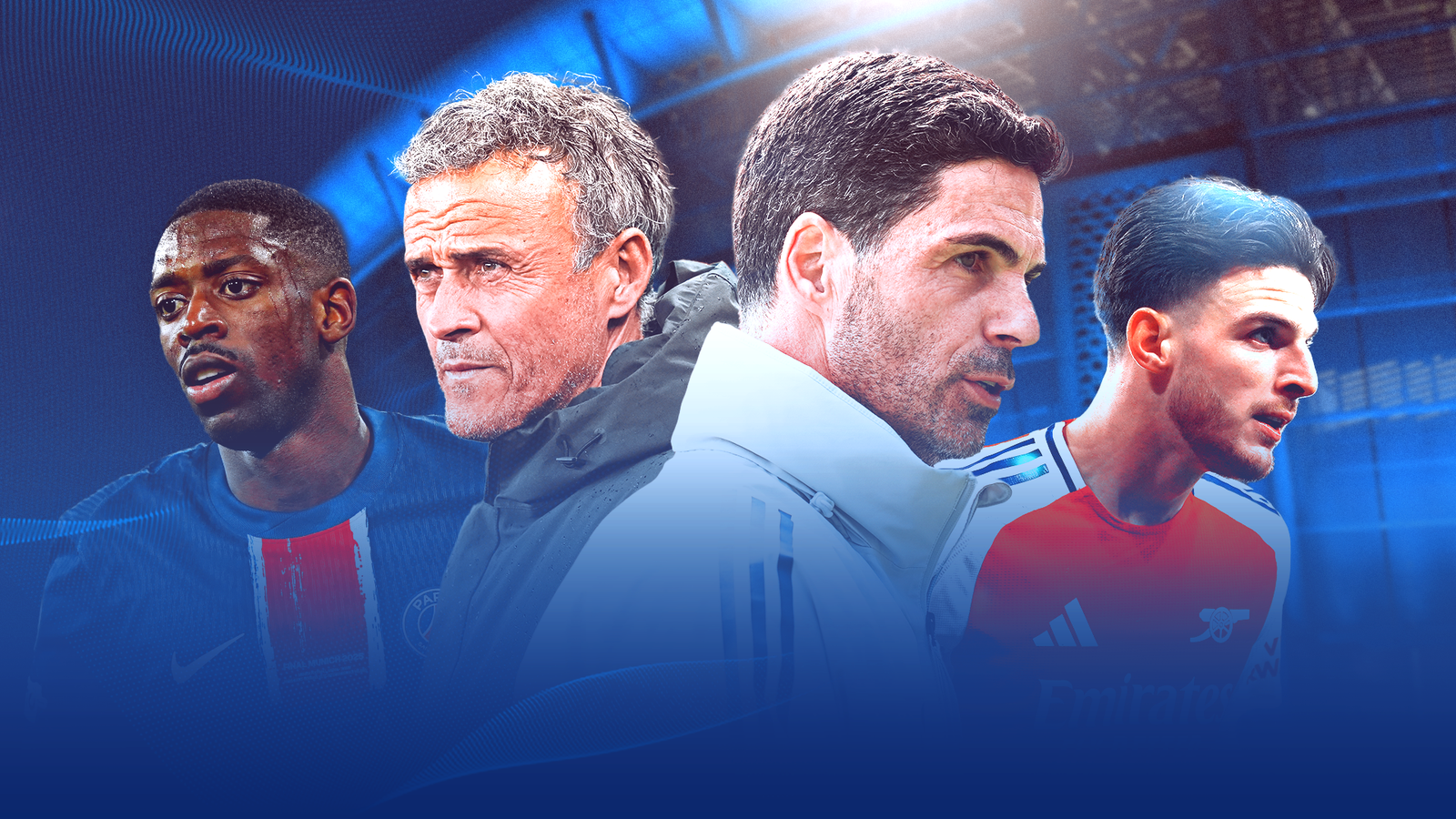
As we sit on April 21, the fog that typically clouds the Champions League bracket has finally cleared. Only four clubs remain, and with the first legs scheduled for April 28, the reality of the competition's prestige is sharpening.
History tells us this is the moment where fatigue usually claims its victims. Tactics that proved infallible in November often wither under the psychological pressure of late April, especially as clubs like those involved in the tight race for domestic spots realize that continental success is the only way to salvage a fractured campaign.
The paradox of the semi-finalists
There is a recurring flaw in how managers approach these ties: the desperate need to not lose in the first leg creates a vacuum of activity that can turn 90 minutes into a chess match of boredom. We saw this in the mid-90s, where pragmatism strangled the life out of the quarter-final stages.
Modern squads are under more scrutiny than ever. When you look at the volatility of the current season, where even stalwart sides like those mentioned in the projections for expanded European qualification are fighting for every point, the semi-finals feel less like a victory lap and more like a final trial by fire.
What the numbers don't show
The math is simple enough, as we saw with the recent drama at Stamford Bridge where Michael Carrick’s Manchester United proved that a single goal—a strike from Matheus Cunha—is enough to shift momentum permanently.
However, the emotional cost is different. You only need to look at Liverpool’s recent desperation against Everton, ending in a winner deep into stoppage time, to see how domestic urgency fuels European fatigue. If these semi-finalists are leaking goals or relying on 100th-minute winners just to stay relevant in their leagues, their European legs will be heavy well before they reach the final in May.
Predicting the tactical grind
Expect these opening legs to follow a pattern of deep defensive blocks. Managers are far more concerned with having a tangible lead to protect at home than with delivering an expansive spectacle. The quality is undeniable, but the execution often falls into the trap of safety-first football.
I expect the first legs across the board to be tight, cagey affairs ending in narrow 1-0 or 1-1 scorelines. The true intensity won't arrive until the return fixtures, where the realization of a closing window forces the hand of the cautious. Until then, anticipate a week of shadowboxing where reputations are protected more vigorously than goal differences.
Read Next
- Gerrard's reaction reveals the hidden pressure of Anfield's late winners
- Manchester City and Real Madrid are about to break the Champions League again
- Haaland and Gabriel are turning the Champions League into a heavyweight brawl
- Harry Kane finally has his title, and Bayern are about to conquer Europe
- ⚡ UCL Semi-Finals 2026 — Full Coverage Hub