The Countdown to Kickoff
As the 2026 World Cup approaches on June 11, the footballing world reflects on the qualifying cycles and continental displays that defined the start of the year. This list tracks the specific turning points that have shaped the competitive balance heading into the tournament.
1. Algeria's Qualifying Dominance
Algeria bulldozed their way through the qualifying stages with a tactical rigidity that confused even veteran analysts. Their clinical approach to squad building saw them secure a spot in the finals without a single defeat in their group. While their exit in the Africa Cup of Nations remains a glaring blemish on their record, the efficiency of their offensive line during qualifiers forces them into the top spot for sheer consistency. They are an enigma, but one that currently controls the tempo of their upcoming matches.
2. The Expansion Reality
The transition to a 48-team tournament is no longer a boardroom theoretical; it is a logistical test of global stamina. Analysts argue this expansion shifts the competitive floor significantly lower, giving teams like Algeria a clearer path to the group stages. Critics point out that the bloated format dilutes the quality of the opening week significantly. Whether this improves the product or merely pads the schedule remains the biggest debate in Zurich.
3. Tactical Rigidness in the Sahel
The Fennecs demonstrated a specific aversion to high-pressing systems during the Nations Cup, opting instead for a low-block defensive shell. This choice cost them dearly, as they surrendered control to more fluid, transition-heavy opponents in the knockout rounds. It serves as a reminder that defensive caution, while safe on paper, often leads to stagnant stagnation when the opponent finds a pocket of space between the midfield and the defensive line. They must adapt their speed to survive the opening group stage matches.
4. South American Resurgence
Brazil and Argentina proved that domestic leagues and European transfers can coexist without compromising national health. The depth of talent pool currently present in CONMEBOL is the highest it has been since 2014. Their recent friendly performances against Tier-2 European nations suggest a tactical reset focused entirely on possession retention and counter-pressing. It is a terrifying proposition for teams relying on aging squads.
5. The European Defensive Pivot
Top-tier nations across the Atlantic are currently obsessed with the hybrid back-three system. This tactical shift is meant to create numerical superiority in the middle of the pitch, effectively choking out opposition playmaking before it reaches the final third. However, the reliance on wing-backs requires absurd physical output for 90 minutes. If a team lacks the fitness reserves, these systems collapse by the 75th minute every single time.
6. Goalkeeping Evolution
The role of the keeper has fully transitioned into that of an auxiliary playmaker. We are seeing a move away from pure shot-stopping brilliance toward an obsession with pass completion percentage from the box. Errors resulting from 'playing out from the back' have increased by 14% across major qualification leagues this year. It is a risky trade-off that will undoubtedly decide the outcome of a penalty shootout or a tight knockout game.
7. The Youth Movement
Several nations have consciously purged their rosters of players over the age of 32 to favor raw vertical speed. This is a direct reaction to the rising injury rates seen in club football due to the congested schedule. While it provides a temporary boost in mobility, it sacrifices the composure that usually dictates success in tournament stress environments. Betting on youth in a high-stakes setting is often a sign of desperation rather than a planned transition.
8. African Underdog Narratives
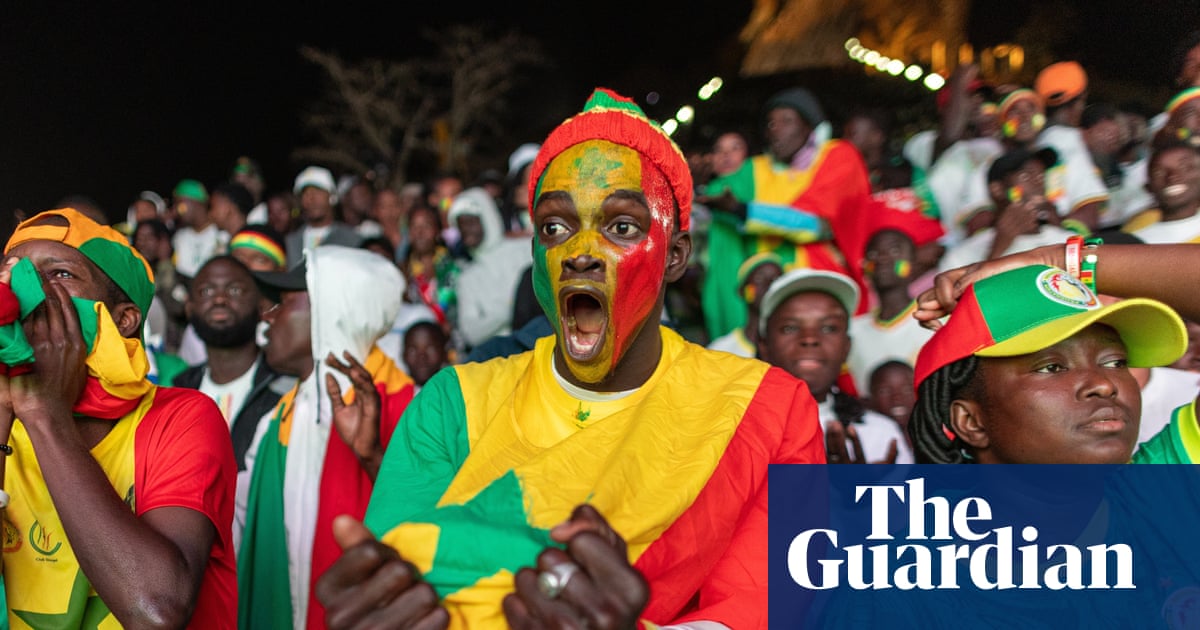
As The Guardian reported, the depth of African football has never been deeper or more difficult to predict. Teams are no longer showing up for the experience; they are showing up to dismantle historical hierarchies. The lack of respect from bookmakers remains a major flaw in current market valuations of these squads. Expect at least two surprise round-of-16 participants from the CAF contingent.
9. Domestic League Impact
Many clubs have intentionally blocked star players from excessive travel for pre-tournament friendlies, citing concerns over muscle fatigue. This restriction has created an information vacuum for national team managers ahead of their final cut. We have seen less cohesion in national squads this year than at any point since the mid-2000s. The team that manages their training load best will likely lift the trophy.
10. The VAR Controversy Spike
Discussions regarding officiating consistency hit a fever pitch during the final two months of qualifying lead-ups. The integration of semi-automated offside technology has frustrated fans, as it removes the "human spirit of the game" from tight calls. Despite the complaints, the move to objective measurement is permanent. Teams that learn to play within the strict margins of the new technology will have a distinct advantage over those playing to the referees.
The Big Picture
Tournament football in 2026 requires more than just raw individual talent. The combination of intense schedule density and tactical scrutiny means that the winner will likely be the team that manages their fatigue while exploiting the structural weaknesses of the expanded field.
Honorable Mentions
The resurgence of Asian football powerhouses remains a secondary storyline worth tracking. Also, notice the sudden rise in set-piece analytics departments being formed by mid-tier nations hoping to steal a win via dead-ball situations.