The defining shifts in modern football
The 2026 calendar is moving at breakneck speed as the sport balances the pressure of current league campaigns with the looming arrival of the World Cup. These top moments captured the volatility of the game and the high stakes facing everyone involved.
1. The Ekitike Achilles blow
Hugo Ekitike tearing his Achilles during his loan spell at Liverpool ranks first because of the sheer roster chaos it triggered. As Sky Sports reported, the striker is out for the remainder of the season and will miss his shot at the World Cup this summer. Losing a focal point of the attack mid-season put the club in a desperate scramble for depth during a brutal fixture block. It ranks above individual goals because it fundamentally alters a title contender’s tactical ceiling.
2. Arsenal’s ruthless squad sell-off
Mikel Arteta signaled a cold-blooded summer by readying a key first-team asset for a €30m exit. Despite public sentiment, the move prioritizes long-term tactical flexibility over sentimentality or legacy. It stays below Ekitike only because that injury was a tragic loss, whereas this is a calculated, if controversial, business decision that could backfire if the incoming replacement fails to adapt.
3. Infantino’s Iran guarantee
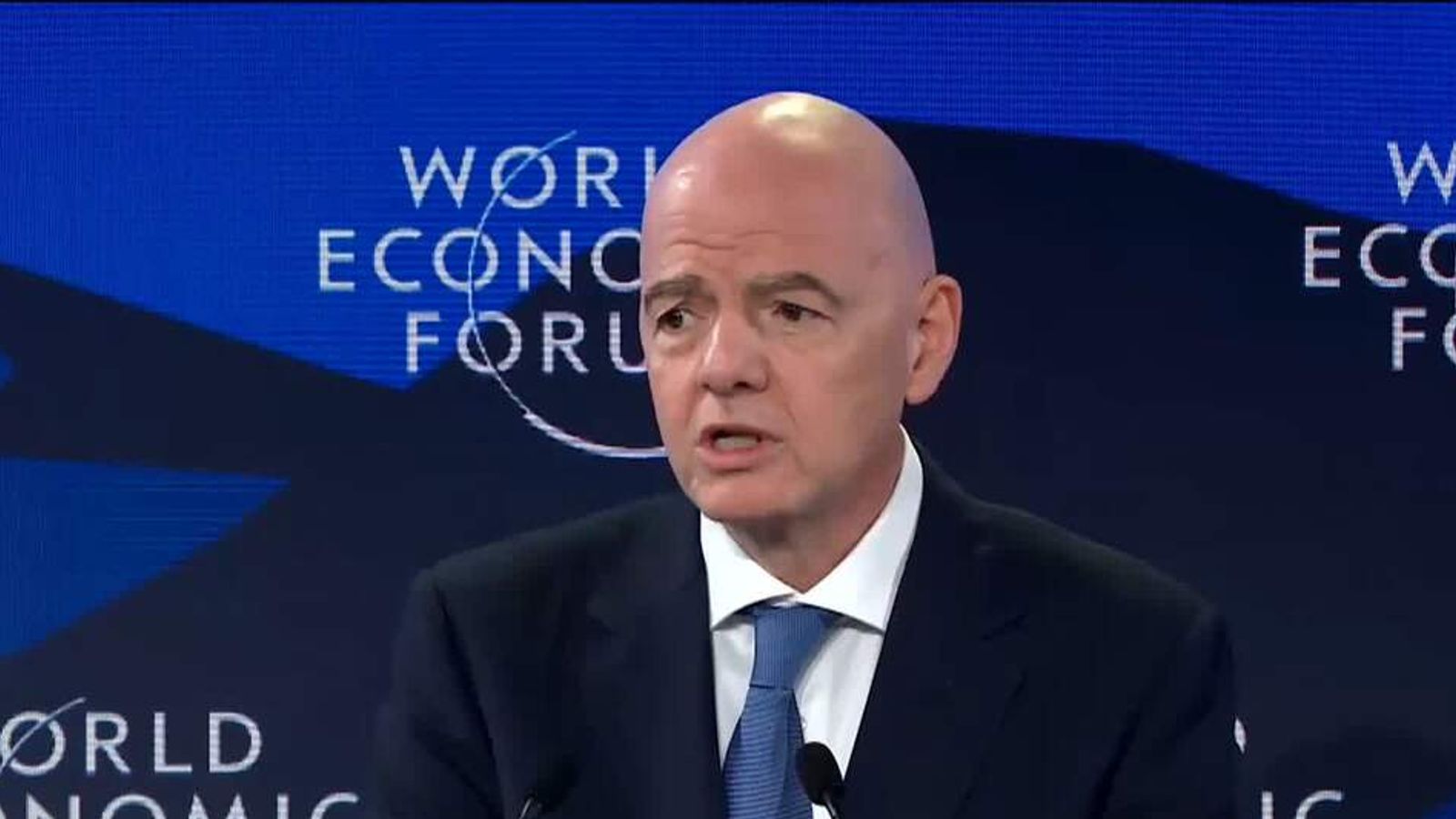
Gianni Infantino doubled down on his commitment to having Iran participate in the upcoming World Cup held across the USA, Canada, and Mexico. In the latest World Cup coverage, the FIFA president dismissed concerns about political tensions affecting the tournament. This matters because it sets the internal standard for how non-sporting entities will be handled once the opening whistle blows in June.
4. The Champions League quarter-final deadlock
The recent batch of heavyweights struggling to create separation in the first legs of European ties exposed how defensive parity has stagnated the game. Watching teams trade possession for 90 minutes without testing the keeper shows how managers are terrified of conceding first. It ranks fourth because it represents a trend of stagnation that is quickly becoming an eyesore for neutrals.
5. The ticket price controversy
Reports detailing how ticket prices for the 2026 tournament are pricing out local supporter groups have sparked fury. While massive revenue streams are the goal for governing bodies, the lack of focus on accessibility threatens the culture of the host cities. It is placed here because the fan backlash is reaching an inflection point before the summer opener.
6. The rise of the tactical pivot
Top flight managers are abandoning traditional formations in favor of lopsided 3-box-3 setups to counter pressing transitions. This shift is turning mid-table teams into tactical traps that punish complacent giants. It lacks the impact of an injury or a major transfer, but remains the most important development in how the sport is played this calendar year.
7. The World Cup logistics friction
The host nations are struggling to coordinate travel schedules for teams across three giant countries. With the tournament kickoff just 56 days away, the administrative burden on national federations is becoming a legitimate talking point. It is ranked lower because it is an internal issue, though it will define the quality of the product on the pitch.
8. The decline of the box-to-box engine
We are witnessing the disappearance of the classical midfielder in favor of the specialized playmaker-destroyer hybrid. While this serves modern high-pressing systems, it creates a lack of rhythm in games where speed of play overtakes technical control. This is a critique of modern coaching philosophies that prioritize system adherence over individual flair.
9. The failure of VAR implementation
Video Assistant Refereeing continues to kill the momentum of high-stakes matches, often delaying restarts for internal reviews that ignore the speed of the game. Fans are tired of the uncertainty during celebrations. It ranks near the bottom only because the conversation has become repetitive rather than productive.
10. The mid-season burnout crisis
The fatigue levels among players heading into the April 16th quarter-finals are at an all-time high. Clubs are seeing more muscle injuries than in previous seasons due to the compacted schedule. Acknowledging this reality is essential for understanding why some of the world's best players are currently performing at 70% capacity.
The big picture
The football industry is currently caught in a tug-of-war between commercial expansion and the reality of player physical capacity. As we approach the World Cup, the cracks in the current structure are becoming impossible to ignore.
Honorable mentions
- The unexpected surge in the lower-league development pathway.
- The continued dominance of high-pressing defensive blocks.
- The ongoing debate regarding stadium capacity versus atmosphere.