The Architect Role
In the modern game, the manager is no longer a tracksuit-clad tactician; they are the chief operating officer of a high-stakes performance entity. With the 2026 World Cup kickoff just three days away, the pressure on these leaders is reaching an inflection point.
The Ranking
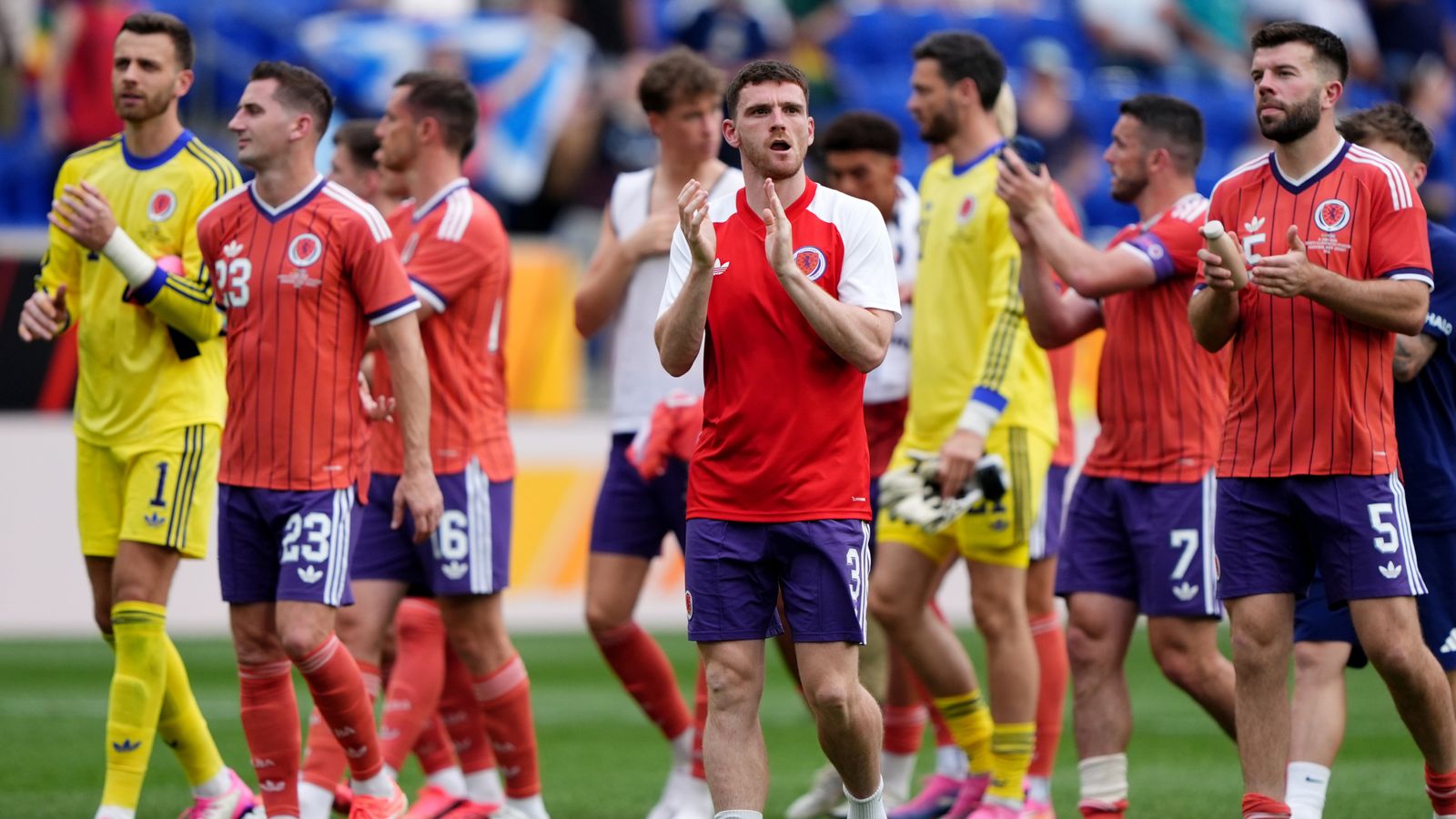
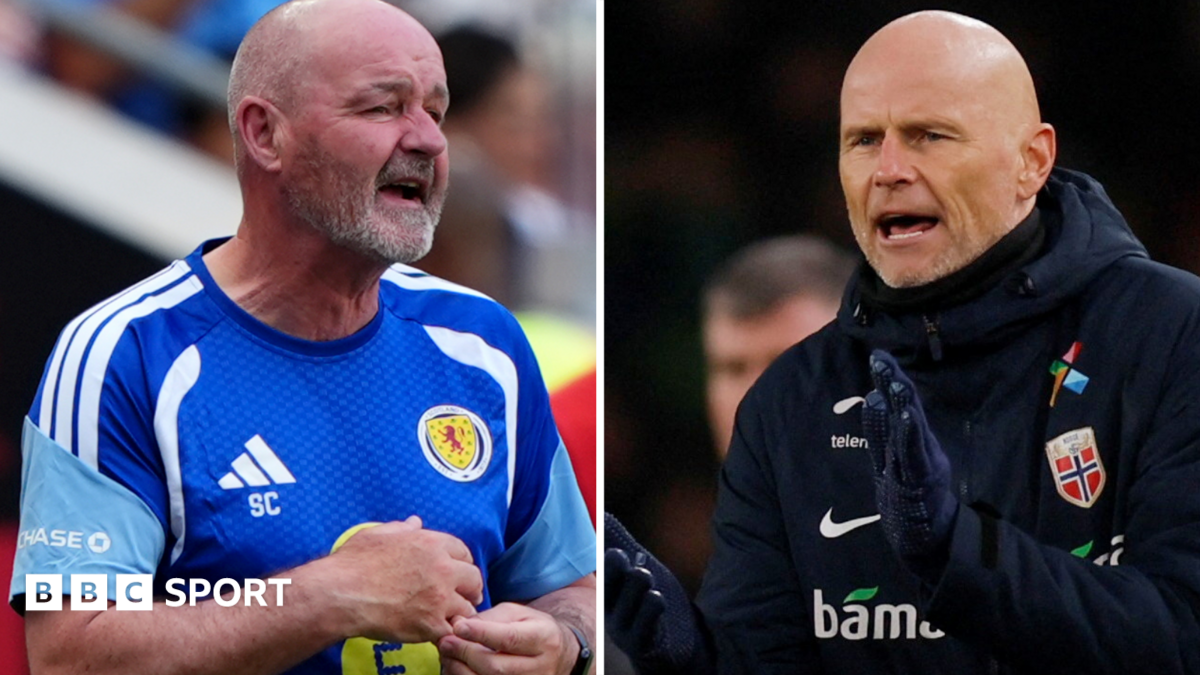
1. Steve Clarke. Clarke currently sits at the center of a diplomatic rift after canceling a pre-tournament friendly with Norway. His counterpart Stale Solbakken publicly labeled him unprofessional, a rare mid-week spat that suggests Clarke is prioritizing his secrets over neighborly relations. He recently presided over a 5-0 drubbing of Bolivia, proving his squad is ready for the tournament intensity.
2. Stale Solbakken. Solbakken earns his spot for his vocal defense of his preparation schedule. While Clarke remains focused on the tactical minutiae of his side, Solbakken understands the value of public posturing. His critique of the canceled bounce match forces opponents to notice his team's focus.
3. Pep Guardiola. Even in the off-season, his control over his squad dynamic remains absolute. Guardiola treats tactical adjustments like code commits, iterating until the system is seamless. His ability to maintain intensity across a grueling calendar is unmatched.
4. Carlo Ancelotti. The anti-Guardiola, Ancelotti succeeds by removing friction rather than applying pressure. He manages through gravitas, allowing his veteran stars to police the locker room. It is a philosophy that has secured him Champions League triumph time after time.
5. Roberto De Zerbi. A master of disrupting high-pressing lines, De Zerbi forces every opponent to account for impossible passing angles. His teams operate under a high-risk, high-reward tactical framework. He is arguably the most influential coach in the mid-table battle for territory.
6. Xabi Alonso. Alonso has brought a patient intensity to his current post, effectively turning his side into a transition-heavy machine. His tactical discipline is rigid, bordering on stubborn, which serves him well in knockout competitions. He is a tactician who values structural integrity over individual flair.
7. Julian Nagelsmann. Nagelsmann approaches the game as an analyst, obsessing over data to gain incremental advantages. He experiments with player roles that others would deem structurally unsound. If he hits his peak during a tournament run, his opponents will likely be caught off-guard.
8. Unai Emery. Emery is the king of the tactical pivot. He changes his team’s shape twice within a ninety-minute window, effectively gaslighting opposing benches. His deep knowledge of European competition patterns remains his strongest asset.
9. Thomas Tuchel. Tuchel is an elite tournament manager who favors a compact, defensive shell that is notoriously difficult to break. While his teams can occasionally struggle with creative output, they are rarely outplayed in a structural sense. He knows how to secure a 1-0 victory when it matters.
10. Arne Slot. Slot enters the conversation with a system that values high-intensity ball recovery. His transition from the Eredivisie to larger stages has been measured. He replaces sentiment with a cold, analytical approach to player selection.
The Big Picture
Managers are increasingly defined by how they negotiate the transition between training grounds and high-profile stages. A bad dress rehearsal, as seen in the recent scuffle between Clarke and Solbakken, often reveals more about a team's confidence than an official press release.
Honorable Mentions
Eddie Howe, for his work managing limited resources under heightened scrutiny; and Simone Inzaghi, for his disciplined approach to building a coherent defensive block in a chaotic league environment.