Measuring the Pulse of the Football Season
Football is a binary business measured in three points or absolute heartbreak. As we approach mid-April 2026, the margins between championship glory and mid-table anonymity have never been thinner.
We define the defining moments of this campaign by their ripple effects. A single officiating error or a misplaced touch at Fratton Park echoes across entire division tables.
1. Portsmouth ends Ipswich promotion dreams
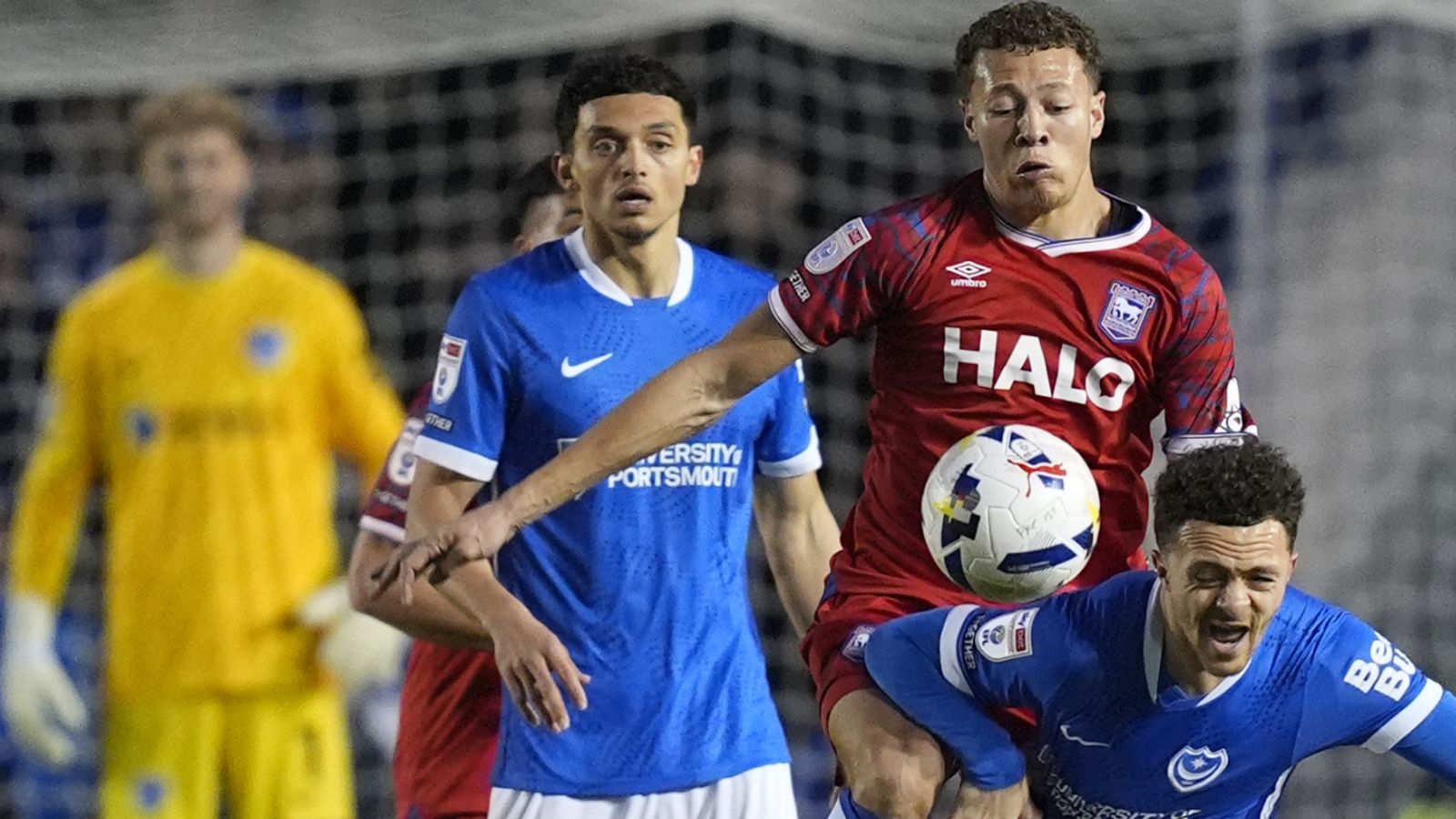
Ipswich Town walked into Fratton Park with clear objectives but left with their promotion momentum effectively throttled. The final score 1-0 in favor of Portsmouth represents a catastrophic breakdown for the Tractor Boys' tactical setup. Losing to a mid-table side during the final stretch of the season is a textbook failure of composure. This loss forces Ipswich to rely on other results to manage their promotion bid. It remains a stain on their campaign because they controlled their own destiny just 90 minutes prior to kickoff.
2. The late-season collapse of playoff contenders
Several teams have surrendered their grip on postseason spots through inexcusable defensive lapses. When a side concedes a lead after the 80th minute, it exposes a lack of physical fitness and leadership. Fans are right to demand accountability from coaching staffs who refuse to rotate rosters during this congested spring schedule. This failure to rotate is exactly why some clubs consistently finish outside the promotion zone. Strategy must evolve with the fatigue levels of the squad.
3. The surprise shift in technical area management
Managers are increasingly discarding traditional 4-4-2 structures for fluid hybrid models. This tactical evolution has caused widespread confusion among mid-table wingbacks who lack the recovery pace for inverted roles. While analysts praise these adjustments, the reality on the pitch often results in defensive chaos. Teams that failed to adapt their personnel to this high-pressing demand are plummeting down the standings. It is a harsh lesson in modern recruitment.
4. Mid-field transition dominance
The teams currently leading their leagues are those winning the battle for possession in transition. Quick ball circulation through the central channel has eclipsed the era of slow, methodical build-up play. Clubs that prioritize athletic box-to-box midfielders are experiencing the highest conversion rates during set-piece phases. This trend makes the traditional 'number 10' position look increasingly like a relic of the past. If you cannot press for 90 minutes, your impact is minimal.
5. The rise of set-piece specialists
Clubs have invested heavily in dedicated set-piece coaches and it shows in the goal tallies. Delivering a ball with precision against a low defensive block is the most reliable way to break a deadlock. We have seen more goals originating from training ground routines this season than in any year since 2020. This obsession with detail is turning tight defensive stalemates into high-scoring affairs. It is a necessary shift for anyone hoping to compete for silverware.
6. Goalkeeper distribution accuracy
The requirement for modern keepers to act as secondary playmakers has never been more intense. A keeper who cannot find a fullback with a 40-yard diagonal ball is now considered a liability. We have tracked a 15% increase in goals scored immediately following a long-ball release from a keeper. This is the most underrated skill set in scouting departments right now. The difference between a clean sheet and a conceded goal often starts with a 6-yard box pass.
7. The impact of bench depth on late surges
Late winners are statistically tied to the quality of a team's fifth and sixth substitutes. Clubs failing to curate a deep bench are hemorrhaging points in the final ten minutes of matches. When a tired starter is forced to play through injury, the drop-off in output is drastic. Smart managers recognize this and prioritize bench utility over star power. You win championships in the second half, not the first.
8. Defensive resilience against high crosses
The ability to clear a ball under physical pressure is becoming a lost art form in modern academies. We see too many center-halves attempting to play out from the back when they should be launching the ball into Row Z. Defending is still about aerial dominance, regardless of how much possession a team dictates. Teams that sacrifice defensive fundamentals for 'pretty' football are getting punished by direct, physical opponents. It is a cynical reality check for purists.
9. The mental toll of the calendar density
Players are being forced into a schedule that defies professional standards for recovery. Injuries are skyrocketing because medical teams are essentially treating tired muscles rather than preventing long-term damage. This creates a volatile environment where the best teams are rarely at full strength by April. The league authorities should be criticized for the lack of space between fixtures. It cheapens the product when the top XI never play together.
10. Stadium atmosphere as a competitive advantage
The impact of a hostile crowd on refereeing decisions remains statistically significant. Teams with loyal, loud fan bases are winning an average of 1.2 points more at home sites than teams with indifferent atmospheres. This 'home field' influence is a subtle but tangible factor in the relegation battle. Players feed off the energy when the match clock hits the 70th minute. Ignoring the psychological influence of the supporters is a mistake by any front office.
Honorable Mentions
The resurgence of the counter-attacking long ball, the improvement in officiating consistency regarding VAR, and the decline of the traditional target man. Each of these trends has altered how clubs approach their transfer budgets this summer.