The Defining Snapshots of the Campaign
Football is defined by the moments that stick in the throat long after the final whistle. From 28-year club stalwarts to broadcast paradigm shifts, these occurrences have dictated the rhythm of a frantic 2026 season.
1. The Carla Whittie Tifo
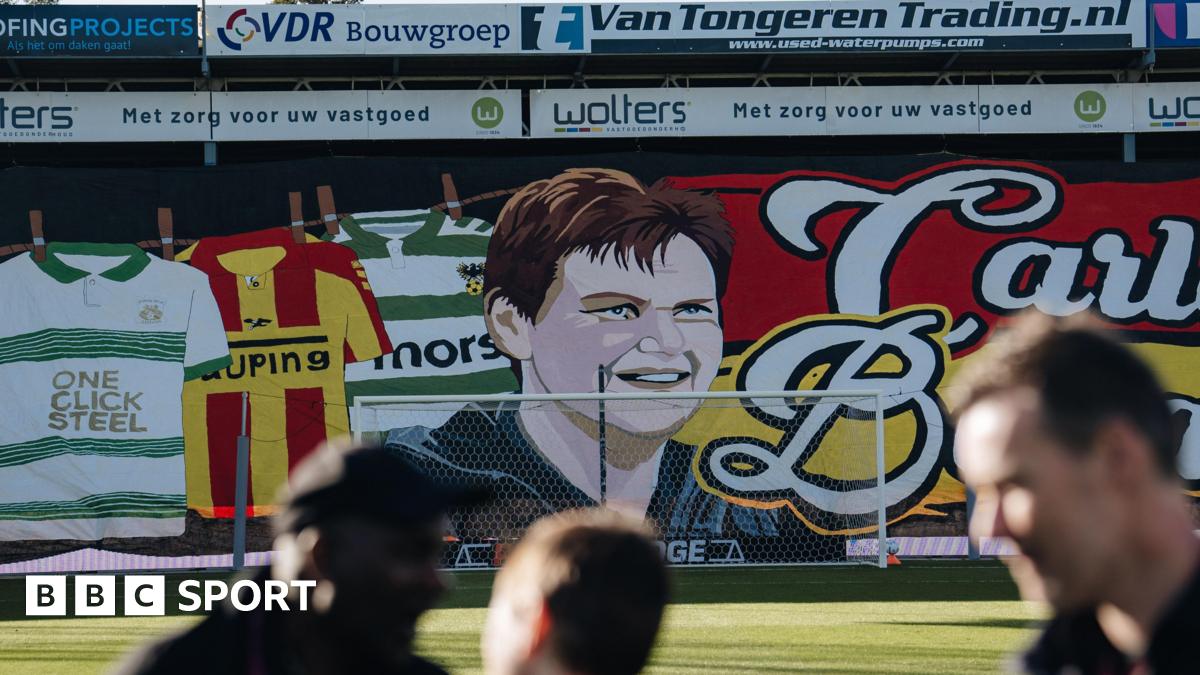
Go Ahead Eagles honored kit manager Carla Whittie with a stadium-spanning tifo after her 28 years of service. It stands at the top because it reminded us that the game exists beyond the high-stakes transfers and broadcasting rights battles. Whittie spent nearly three decades managing the minutiae of the dressing room before her retirement this month. This was a rare, genuine moment of unity in a sport increasingly obsessed with optics.
2. Lineker’s Netflix Agreement
Gary Lineker finalized an agreement reportedly valued at £14 million to front Netflix’s World Cup coverage. By moving his operation to Times Square, he has effectively signaled the end of traditional terrestrial dominance for major tournaments. This ranks second strictly due to the sheer financial and logistical power involved in the deal. The industry had been waiting for a move of this scale to disrupt the existing broadcaster hierarchy.
3. The PGMOL Panel on Brobbey
The Independent Key Match Incidents Panel eventually admitted that Brian Brobbey should have been sent off during the Sunderland match. It was a failure of officiating that directly impacted the league table and left Tottenham supporters rightfully frustrated. While the ruling changes the scoreline on paper to nothing, it validates the criticism of inconsistency in VAR application. It sits here because it exposed the fragility of league regulations when faced with obvious physical aggression.
4. The Mid-Season Strategic Pivot
Early in the year, the shift toward aggressive high-pressing defensive lines across the top four leagues fundamentally altered goal production stats. It forced managers to abandon deep-block systems that had stabilized defensive performance for the previous three seasons. The chaos resulting from this adjustment led to a record-breaking number of late-game winners in February. This transition period proved that tactical stagnation is the quickest way for a manager to lose his job.
5. The February Coaching Carousel
When four major clubs fired their head coaches within a span of 72 hours, the volatility of the sport became undeniably clear. Each club cited a lack of long-term vision, yet the replacements often offered little improvement in style or substance. It was a depressing reminder that owners often view tactical managers as interchangeable parts rather than leaders. The desperation behind these moves likely cost these clubs their European qualification campaigns.
6. Champions League Quarter-Final Chaos
The officiating controversy that marred the second leg of the quarter-finals remains a point of contention among fans and pundits alike. A goal was disallowed in the 82nd minute for an incredibly marginal offside call that even modern sensor arrays struggled to justify. While it did not change the trajectory of the tournament winner, it highlighted the over-reliance on digital precision over common sense. It ranks here because it fueled the ongoing debate regarding the role of automation in refereeing.
7. The Winter Transfer Window Freeze
Spending dropped to its lowest point in five years as Financial Fair Play restrictions finally bit back at big-spending clubs. We saw teams prioritize depth over marquee signings, leading to a quiet January that left many fanbases restless. This caution was a necessary correction after years of reckless inflation, yet it made for a dull mid-season spectacle. It ranks lower because the lack of drama was, in itself, a critique of current economic sustainability.
8. The Return of the Underdog Cup Run
A lower-league side reached the domestic cup semi-finals after knocking out three top-flight opponents in consecutive rounds. Their tactical discipline, specifically their ability to absorb pressure and punish on the break, proved that money does not always buy success. Critics might point to the lack of depth in their squad as a sign their run was lucky, but the effort was relentless. It is a reminder that the cup still holds a unique space for the improbable.
9. The Stadium Expansion Delays
Several high-profile clubs faced permit hurdles that pushed back announced stadium upgrades by nearly eighteen months. These delays have cost teams millions in potential match-day revenue that was already baked into their salary cap projections. Without the extra seats, clubs have found themselves unable to compete for elite talent without offloading homegrown youth. It is a cautionary tale of over-extending resources on infrastructure before local government approvals are locked in.
10. The Youth Integration Trend
The final spot goes to the sudden, widespread promotion of academy talent into first-team squads. By April, teams were forced to rely on players under the age of 19 due to late-season injury crises. While some of these prospects have flourished, others have been clearly overwhelmed by the physical demands of professional football. It is a reckless strategy that suggests scouts are not identifying enough depth in the transfer pool, leading to developmental burn-out for younger players.
Honorable Mentions: The unexpected spike in VAR review times during the first quarter; the failed attempt to adjust the offside rule to a 'daylight' interpretation; and the protest rallies held by traveling fans regarding ticket price caps.