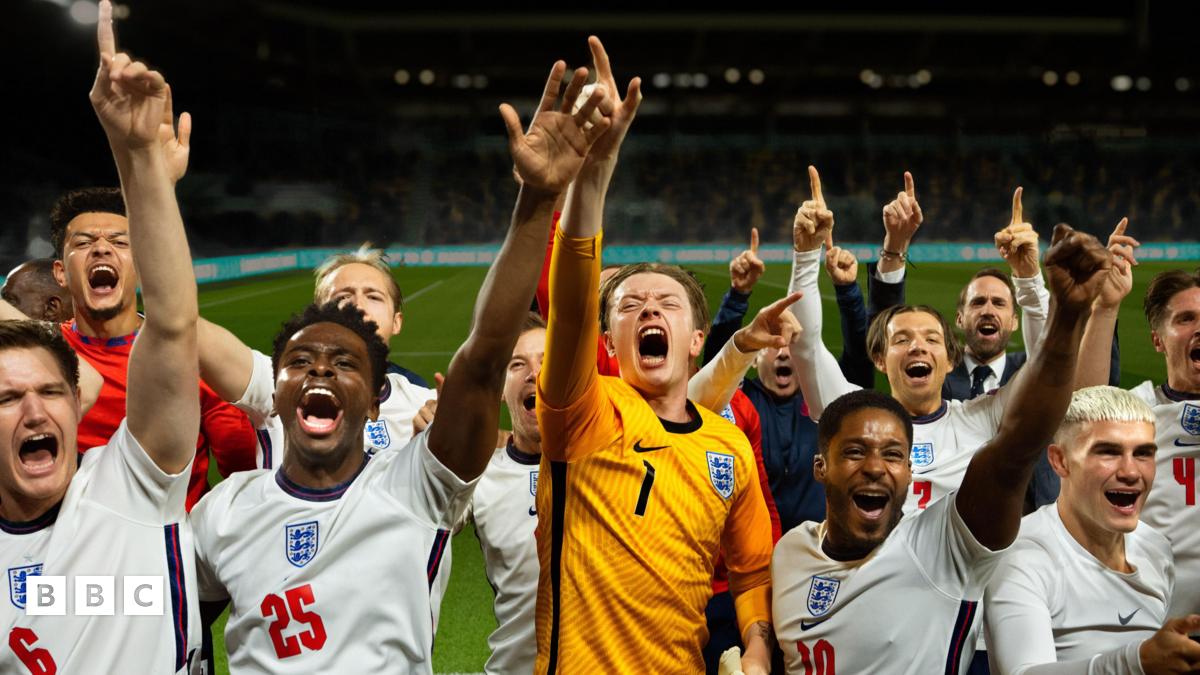
Graham Potter's Swedish gambit is actually working
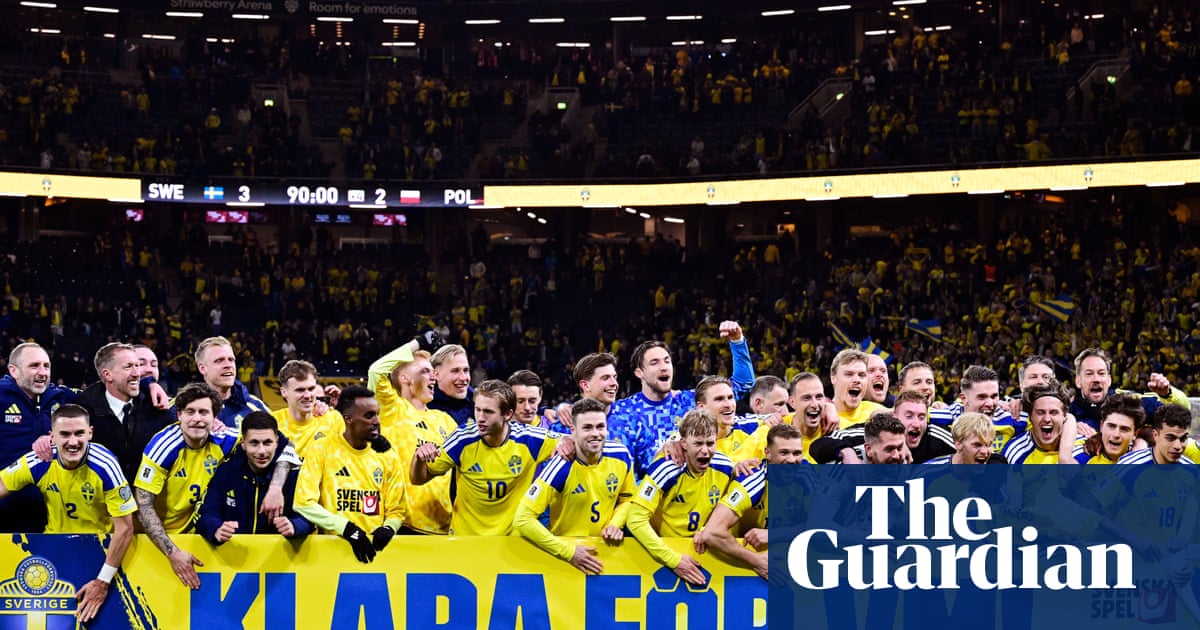
Tactical pragmatism over identity politics
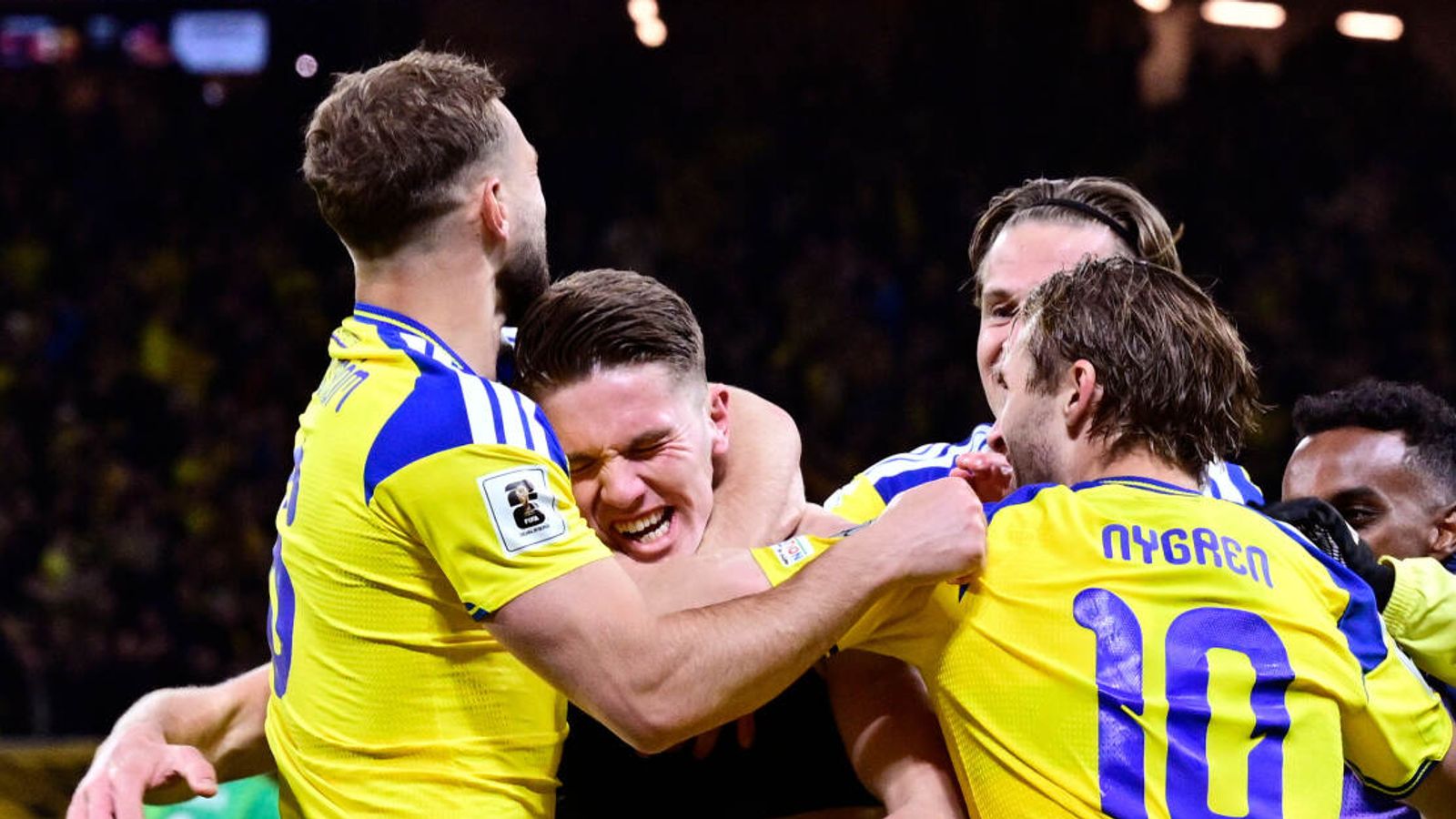
When the Swedish Federation announced the hiring of Graham Potter, the reaction was predictably divided. Following his departure from the Premier League, Potter faced a reputation as a project manager who struggled to balance high-pressing aesthetics with results in high-pressure environments. Yet, examining the current setup, we see a distinct move away from the fluid back-three systems that defined his time in England.
Instead, Sweden is operating within a rigid 4-4-2 block. This switch is not a surrender of philosophy but an admission of personnel reality. Without the technical rotation options he enjoyed at Brighton, Potter has focused on horizontal defensive compactness. This setup limits opposition penetrative passes through the half-spaces, effectively funneling play toward the touchlines where his full-backs can pin threats against the sideline.
The redemption arc requires more than just defensive grit
Potter’s influence on the squad’s recovery from the bottom of their qualifying group is evident in the transition phase. As Jonathan Wilson noted recently, both the manager and the team arrived at this partnership at their lowest emotional ebb. The statistics bear out the shift: Sweden currently maintains an average pass completion rate of 82% in their own third, a significant improvement from the erratic clearances that defined their previous cycle.
There is a persistent issue, however, regarding the final third output. The reliance on long balls to initiate counter-attacks often leaves the strikers isolated before support arrives. In the most recent qualifying window, the team hovered around an xG of 0.85 per match despite possessing 55% of the possession. This lack of conversion efficiency against low-block opponents could prove disastrous once the FIFA World Cup 2026 begins this June.
Mid-tier management and global expectations
We are seeing similar structural lessons evolving across different forms of entertainment sports. The critique Bully Ray leveled at the WWE main roster regarding match psychology mirrors what is happening with this Swedish squad. Much like the main roster's reliance on spectacle, Sweden initially tried to over-complicate their build-up play. Now, under Potter, they have pivoted to something more grounded and sustainable.
This parallels why WrestleMania 41 booking is finally finding its pulse. By simplifying narratives and focusing on established character archetypes, the product has regained its flow. Potter is doing precisely the same by minimizing tactical complexity for a side that frankly wasn't ready for it. The results in the qualifying standings demonstrate a quiet consistency that was absent just six months ago.
"A manager down on his luck after a second failure in quick succession, wondering what the future would hold. A national team struggling at the bottom of their qualifying group given a second chance."
The upcoming international break will be the final tune-up before the tournament. If Potter fails to integrate a more creative outlet in the number ten role, teams with higher tactical mobility will likely exploit the space between the midfield and the defensive line. He has fixed the structural floor of the team, but the ceiling remains precariously low.
Ultimately, the Swedish experiment remains a fascinating study in ego management. By stepping down from the immediate pressure of elite club football, Potter has effectively recalibrated his tactical output. Whether this results in a deep run in North America remains to be seen, but the baseline performance is no longer a liability. They have become the kind of team nobody wants to play in June, even if they remain a side few expect to win the total trophy haul.
Adidas Tiro League Soccer Ball
The perfect match-day ball for high-intensity training.
More Coverage
Mourinho at Real Madrid is nostalgia devoid of a strategy
9 hours ago
Dejan Kulusevski misses World Cup cut due to lingering Tottenham injury
1 day, 6 hours ago
Nine European spots are rotting the Premier League from the bottom up
1 day, 9 hours ago
Oliver Glasner just pulled off a beautiful heist at Crystal Palace
1 day, 14 hours agoJakirović admits the Championship tanked him
3 days, 7 hours agoCrystal Palace look to solidify their identity against Rayo Vallecano
3 days, 7 hours agoMore Analysis
Viktor Gyokeres is the ultimate tactical pivot for Graham Potter
1 month, 4 weeks ago
Graham Potter and Craig Bellamy face a brutal World Cup playoff reality
2 months ago
Viktor Gyokeres is the new king of Sweden and everyone is losing it
1 month, 4 weeks ago
Viktor Gyokeres is the only thing standing between Kosovo and history
2 months ago
Gyökeres Hat-Trick: Potter's Sweden One Game from World Cup Redemption
2 months ago