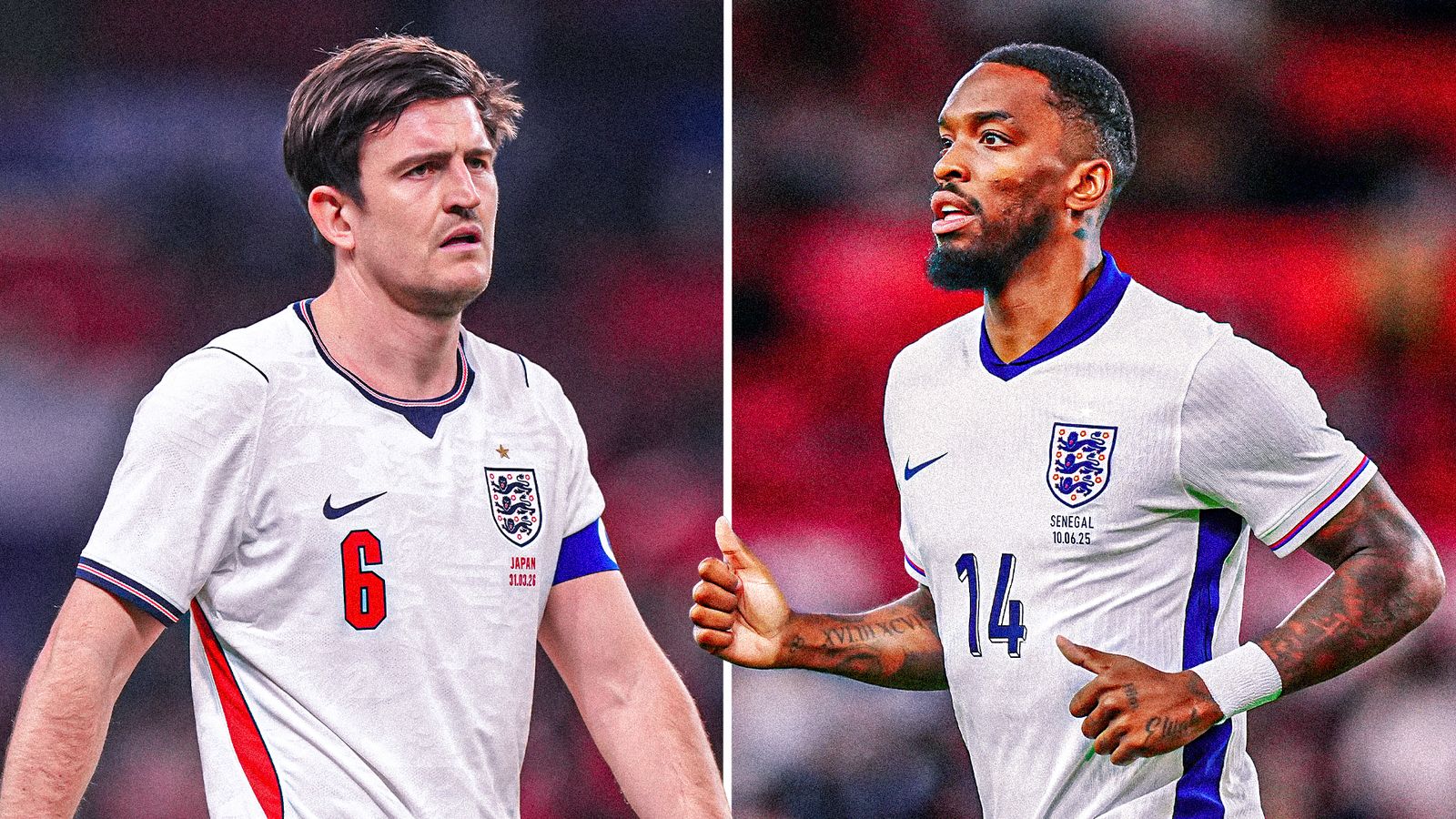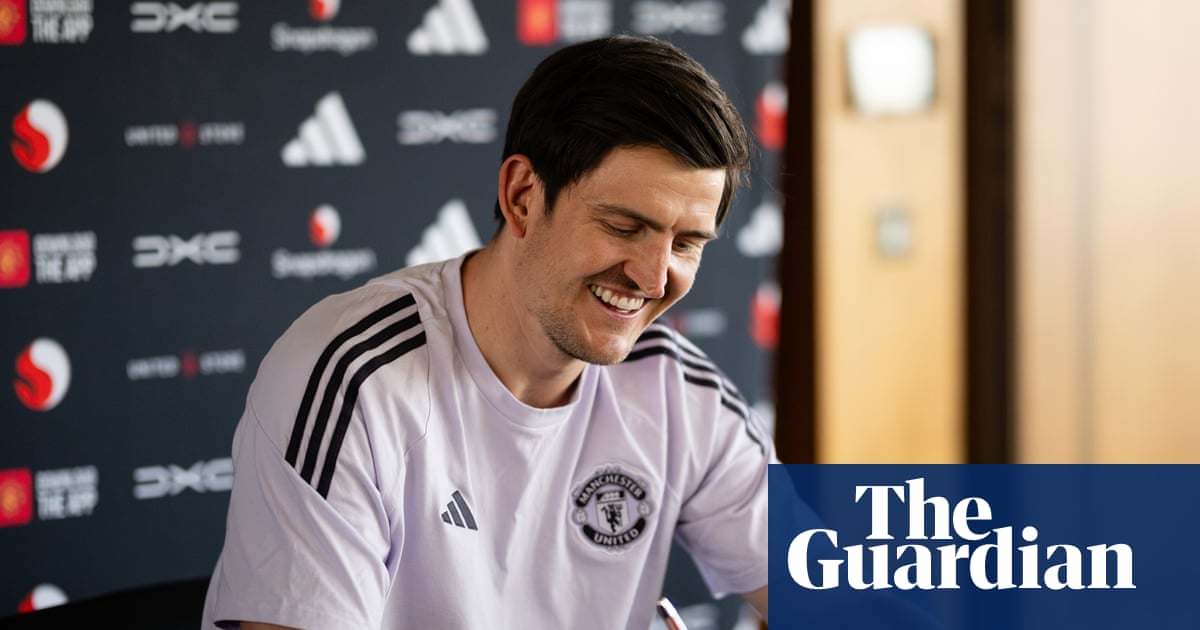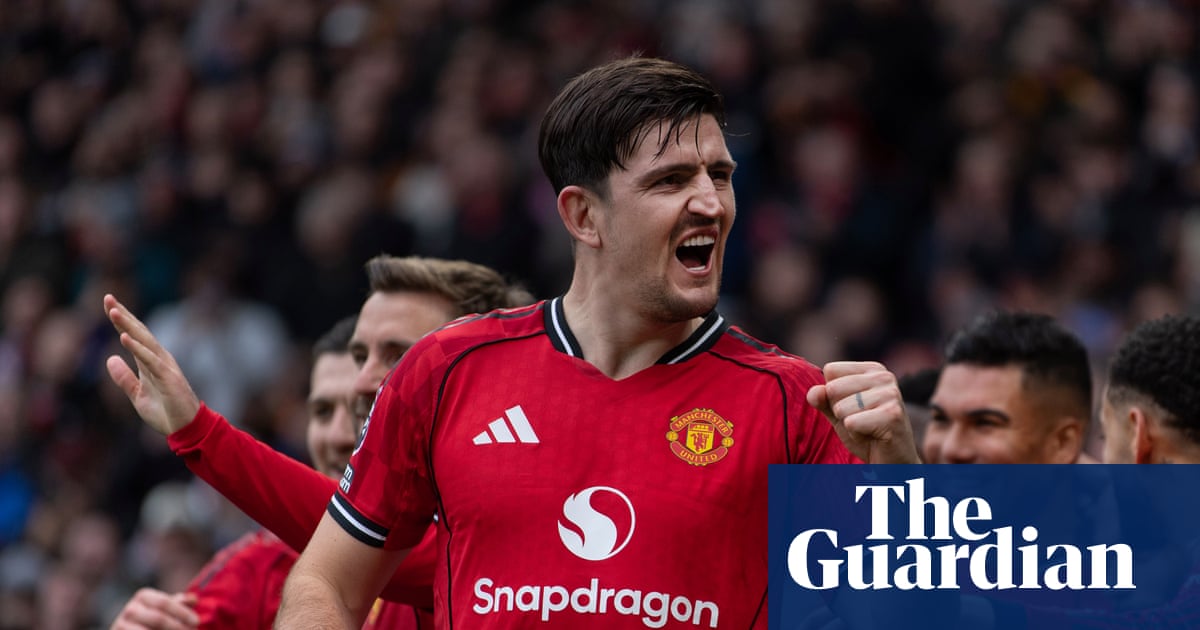
Harry Maguire is no longer the punchline of Manchester United’s defensive crisis. After a two-year cycle of benchings and muscle tears, the veteran defender has secured a new contract and a medical clean bill of health just 63 days before the World Cup.
The news of Maguire’s contract extension signals a massive shift in United’s medical strategy. For much of the 2024 and 2025 seasons, Maguire was a frequent visitor to the Carrington treatment room, struggling with persistent calf issues that stripped him of his recovery speed. Now, the club is betting that a revised load-management program can squeeze two more elite years out of a player who recently turned 33.
This isn't just about morale or leadership in the dressing room. It is a calculated gamble on tissue durability. As reported by the BBC, Maguire is publicly asserting his belief that he remains among the world's best, a claim backed by a sudden return to the starting XI during the business end of the season.
The Bio-Mechanical Resurrection
Maguire’s 'lowest moments' were not just mental. They were defined by a sluggishness that suggested his body was failing to keep up with the high-intensity demands of modern pressing systems. Between 2023 and early 2025, Maguire missed a combined total of 24 matches due to soft-tissue injuries.
The current medical report suggests a turnaround in his eccentric loading capacity. United’s fitness staff have reportedly moved Maguire to a 'low-volume, high-density' training model. This limits his total distance in midweek sessions to preserve his explosive capacity for matchdays. It is the same protocol used to extend the careers of veteran center-backs like Thiago Silva and Giorgio Chiellini.
I am back to my best and the future looks incredibly bright for both club and country.
Maguire's insistence on his own quality ignores the tactical cost of his physical decline. Even with his 'return to form,' he lacks the lateral agility to cover for an overlapping fullback. When United face high-line transitions, he is still routinely exposed by attackers with even moderate acceleration. The new contract might stabilize the wage bill, but it doesn't fix the lack of a 6th gear in Maguire’s recovery runs.
Goalkeeper Sustainability: The Neuer and Raya Paradox
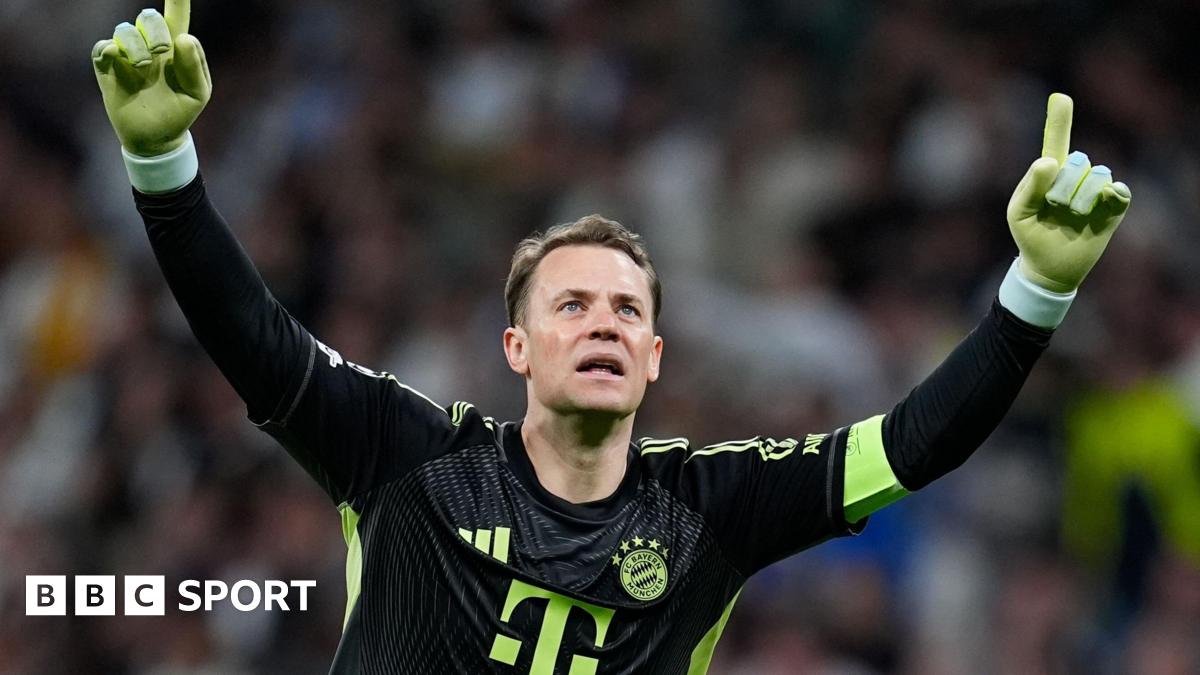
While Maguire fights for his place in the defensive line, the conversation around goalkeeper fitness has reached a fever pitch. David Raya and Manuel Neuer both produced standout performances in the Champions League quarterfinals this week, but they represent two very different medical profiles. At 40, Neuer is a walking case study in orthopaedic recovery.
Neuer’s ability to 'dazzle' at his age is a direct result of his successful rehabilitation from the 2022 leg break that nearly ended his career. The BBC analysis of the world's best goalkeepers highlights how Neuer has adapted his game. He now relies more on positional anticipation than the raw, explosive diving that defined his twenties.
David Raya’s High-Frequency Load
David Raya presents a different challenge for Arsenal's medical team. Unlike the towering Neuer, the 30-year-old Raya relies on extreme explosive power and rapid footwork to compensate for his relatively shorter stature. This puts immense pressure on his patellar tendons and hip flexors. As we approach the final 5 days before the UCL quarterfinal second leg, Raya is being kept on a strict 'no-impact' recovery cycle.
Arsenal’s staff are monitoring Raya’s 'jump height' metrics daily. Any 5 percent drop in verticality is treated as a red flag for potential tendonitis. With the World Cup looming in June, the pressure to keep Raya fresh while maintaining Arsenal’s title charge is a delicate balancing act. One mistimed landing in training could derail both his club season and his international hopes for Spain.
The Historical Context of the Veteran Comeback
We have seen this narrative arc before. Players like Vincent Kompany and Ledley King attempted to manage chronic issues through sheer force of will and modified training. While Kompany found a way to deliver in clutch moments, King’s career was eventually cut short by the inability to train between matches. Maguire appears to be aiming for the Kompany route, prioritizing cognitive reading of the game over physical dominance.
The data from similar semi-finalists over the last 26 years shows a trend. Teams that rely on aging, recently-injured core players often see a drop-off in performance during the final 20 minutes of high-stakes matches. Fatigue doesn't just slow the legs; it slows the decision-making process. For Maguire, the real test won't be a quiet afternoon at Old Trafford, but a 90-minute track meet in the heat of a World Cup summer.
The Strategic Implications for the World Cup
National team managers are currently finalizing their provisional squads for the June 11 kickoff. The fitness of Maguire, Neuer, and Raya will dictate the tactical setups of England, Germany, and Spain. If Maguire shows any sign of a calf flare-up in the next three weeks, Gareth Southgate will be forced to look toward younger, less experienced options who lack Maguire’s aerial dominance.
The medical reality is that a 'bright future' for a 33-year-old defender is usually measured in months, not years. United's decision to hand out a new contract at this stage is either a masterstroke of asset management or a costly sentimental error. If Maguire’s hamstrings hold up through the UCL Quarter-Finals on April 14 and the subsequent league run, the gamble might pay off. If not, United will be left with a high-earner who is effectively a part-time player.
Critical Verdict: The Risk of Over-Reliance
The most glaring issue in the current United and Arsenal setups is the lack of redundancy. By clearing Maguire and leaning heavily on Raya, both clubs are operating without a safety net. The 'return to form' narrative is convenient for PR, but it masks the physical fragility of a squad that has been pushed to its limit by a congested 2026 calendar.
Maguire's belief that he is 'still one of the best' is a necessary psychological tool for a professional athlete, but the medical data suggests he is a high-risk asset. At the World Cup, where matches come every four days, his ability to recover will be tested like never before. History suggests that for veterans with his injury profile, the body usually has the final say, regardless of what the contract says.