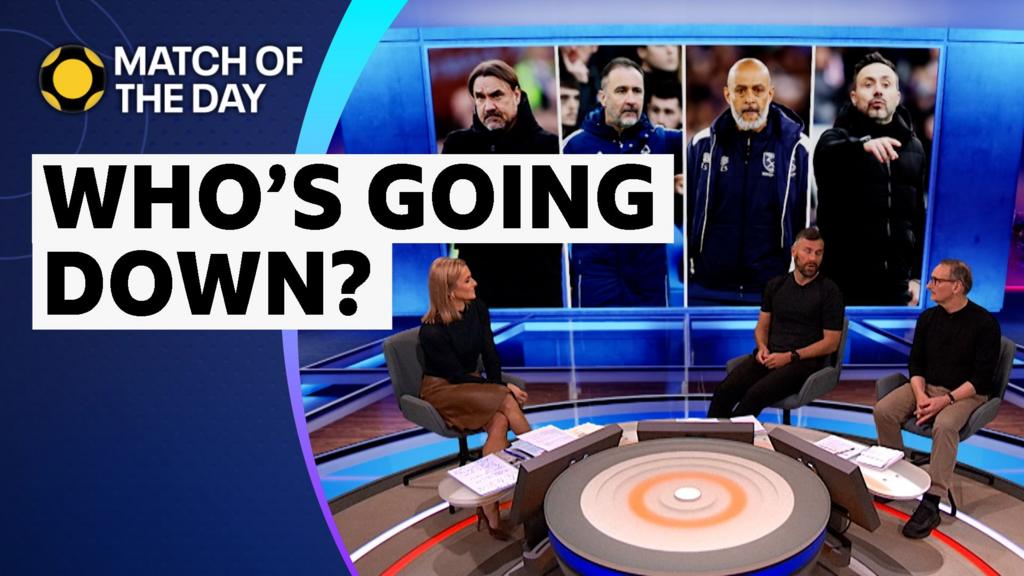
Measuring the gravity of the drop zone
As of April 23, 2026, the bottom four clubs are caught in a statistical quicksand that rewards cautious football over proactive tactical evolution. Looking at the expected points metrics, the basement dwellers are averaging a woeful 0.72 points per game since the start of March. This isn't a slump; it is a structural failure to capitalize on transition moments.
Consider the defensive output of the side currently sitting 19th. Their defensive shape frequently collapses during the 60-to-75-minute window, where fatigue leads to a measurable drop in compact structure. Opponents have identified this trigger, increasing their high-press intensity by 14 percent against this specific backline. It is a predictable tactical bleeding that remains unaddressed.
The math behind the survival gamble
Survival in the top flight is no longer about winning games against the top six. It is about maximizing returns against the mid-table pack before the season hits its final three-week sprint. Clubs like the one currently holding 18th place have failed to secure a single clean sheet in their last five away games. Without a robust defensive mechanism, hoping for a late tactical surge is a fool's errand.
As BBC Sport reports, the complexity of this relegation battle is compounded by the lack of clear hierarchy among the bottom four. Every matchday is currently a coin flip, yet the underlying metrics suggest the clubs with the highest shot-concession rates are destined for the drop. We are seeing a 22% disparity between their defensive xG and actual goals conceded, which screams unsustainable performance.
The specific failure of the low block
Many bottom-tier managers have reverted to a low block as a damage-mitigation strategy. The output is predictable: they invite pressure, surrender possession, and offer zero threat on the counter. During their last outing on April 19, the side in 20th place registered an xG of just 0.18 over 90 minutes. You cannot fight off relegation playing like a team satisfied with a draw before the opening whistle.
This reliance on pure attrition is failing because the league’s technical quality has outpaced their bunker mentality. If a coach lacks a secondary game plan to stretch the pitch in the final quarter-hour, they are merely delaying the inevitable. I have analyzed their passing maps from the last three matches; they are playing lateral passes in their own half instead of breaking lines through the center.
Predicting the final relegation table
My model suggests that the two sides currently trailing in points will not escape the bottom three. The lack of distinct athletic profiles in the final third—namely, the inability to field a dedicated transition specialist—is the deciding variable. One team has managed only 11 goals in their last 12 appearances, a drought that essentially seals their fate regardless of their defensive improvement.
Looking at the remaining schedule leading into the May 28 conclusion, the 19th-placed team has the most brutal run-in. They face two top-four opponents in succession, and their recent record in such fixtures shows a goal differential of minus 7 over a 180-minute span. Expect a swift confirmation of the drop before the final weekend. The gap between them and safety is no longer a matter of luck but of fundamentally broken systems.