The Medical Reality of an Expanded WSL
The Women's Super League is officially expanding to 14 teams for the 2026-27 season. The league is pushing a complete redesign and a new trophy. The commercial executives are thrilled. The medical departments are bracing for a nightmare.
Moving from 12 to 14 teams adds four matches to an already saturated domestic calendar. That represents roughly 360 additional minutes of maximum-intensity football for regular starters. When you layer the Women's Champions League, domestic cups, and international duties on top, the physical load hits a dangerous threshold.
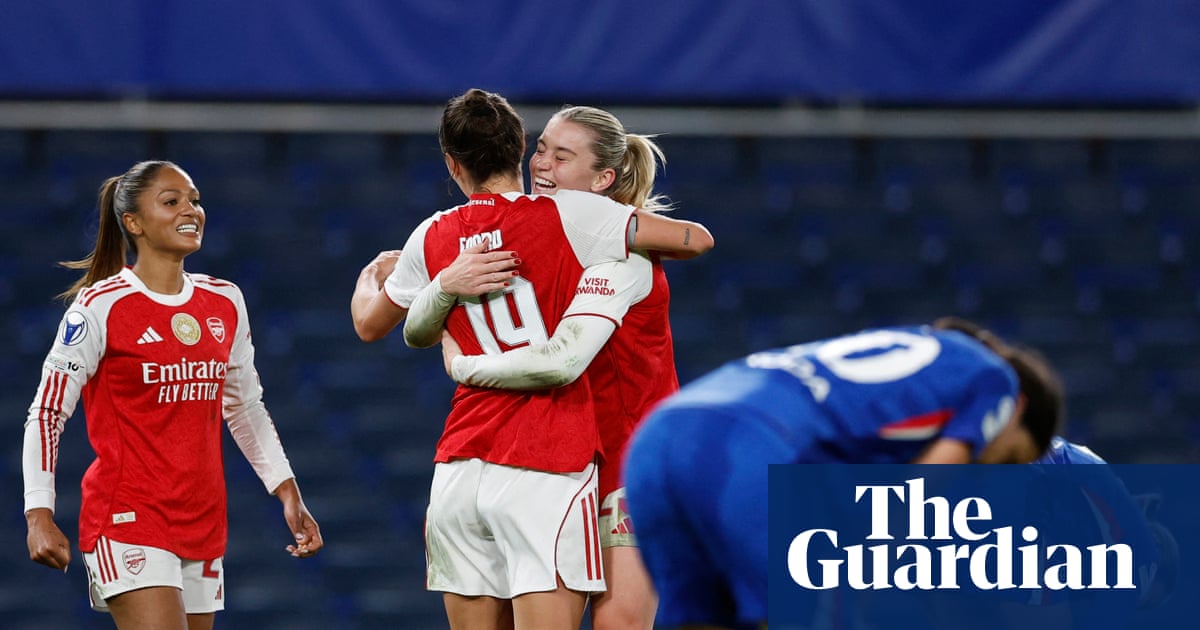
We are already seeing the physical toll of high-stakes domestic clashes. Just look at the recent intense fixture where Arsenal defeated Chelsea 3-1. The sheer speed of that match left players drained for days. Forcing squads to endure four more of those high-octane battles every single year is a massive physiological demand.
The human body demands 48 to 72 hours to clear lactic acid and repair muscle fibers following a competitive match. Expanding the league permanently compresses those recovery windows. Shortened recovery directly causes severe muscle fatigue. Fatigue is the primary catalyst for connective tissue failure.
Consider the cumulative load. The current 22-game schedule already pushes the physiological limits of the athletes. The FA has completely ignored the repeated warnings of sports scientists. You cannot increase match volume without mandating improved recovery protocols. Lower-table teams will be forced to dip into their academy ranks simply to field a healthy starting eleven by March of 2027.
The Knee Injury Epidemic
We must look closely at the historical context. The WSL has already suffered through an unprecedented wave of knee injuries. It is essential to clearly state who is injured, what the injury is, and how long they are expected to be out when analyzing squad loads.
Look back at the devastating run of injuries over the last few seasons. Take Beth Mead and Leah Williamson as the baseline examples. Both suffered catastrophic ruptured Anterior Cruciate Ligaments (ACL). Both were sidelined for roughly nine months. They required full surgical reconstruction and months of isolated rehabilitation.
Those long-term absences were not flukes. They were a direct result of fixture congestion and accumulating fatigue. An expanded league guarantees more fatigue. Teams without elite depth will run their star players into the ground. Medical staffs are preparing for an immediate spike in Grade 2 hamstring tears and complex meniscus damage.
WCL Meat Grinder: United and Bayern Clash
The physical demands were fully exposed tonight at Old Trafford. Manchester United hosted Bayern Munich in the first leg of their WCL quarter-final. The pace was punishing from the opening whistle.
Bayern Munich struck first. They found the back of the net within two minutes. That immediate burst of pace sets a brutal physical tone for the remaining 88 minutes. Players are forced to redline their cardiovascular systems before they have fully settled into the match rhythm.
Manchester United responded instantly. Maya Le Tissier leveled the score with a massive penalty kick. The physical toll of the match was immense. Lea Schuller started against her former side, bringing a violent edge to the physical battles. The collisions in the midfield were heavy. The deceleration forces on the players' joints were extreme.
Medical staffs for both clubs were stationed on high alert. You do not play a 90-minute European knockout match without accumulating heavy micro-traumas. Muscle fibers tear. Glycogen stores drain completely. The recovery clock starts the exact second the final whistle blows. United and Bayern will have to meticulously manage their squads ahead of the second leg.
There is a glaring tactical implication here. Manchester United manager Marc Skinner relies heavily on a high press. A high press demands peak physical condition. If his forwards carry heavy legs into the weekend, the press collapses. The entire tactical system depends on the medical staff's ability to repair muscle tissue between games.
Unai Emery's Aston Villa were highlighted today for their connections giving them an edge in the Champions League qualification race. Why does that matter here? Because European football demands a totally different physical preparation strategy. Teams must perfectly calibrate their week. Tuesday is recovery. Wednesday is tactical shape. Thursday is a high-intensity stimulus. If you get that formula wrong by even 5%, your players tear muscles on Saturday.
Barcelona's Physical Dominance
Over in Spain, Barcelona completely dismantled Real Madrid. They put six goals past their bitter rivals in the away leg. A 6-0 victory goes beyond tactics. It is a physical humiliation.
Barcelona dictated the tempo from the start. They forced Real Madrid into a relentless cycle of chasing shadows. Chasing the ball requires constant, reactive sprints. Reactive sprinting is far more taxing on the hamstrings than proactive running. Real Madrid's players burned through their energy reserves early and entirely collapsed late.
This result effectively ends the tie. It also hands Barcelona a massive physical advantage. They can rotate their squad heavily for the second leg. They can rest their primary starters. They can manage minutes. Real Madrid, meanwhile, suffered a physical beating for absolutely zero reward.
Arsenal's Medical Gamble on Goretzka
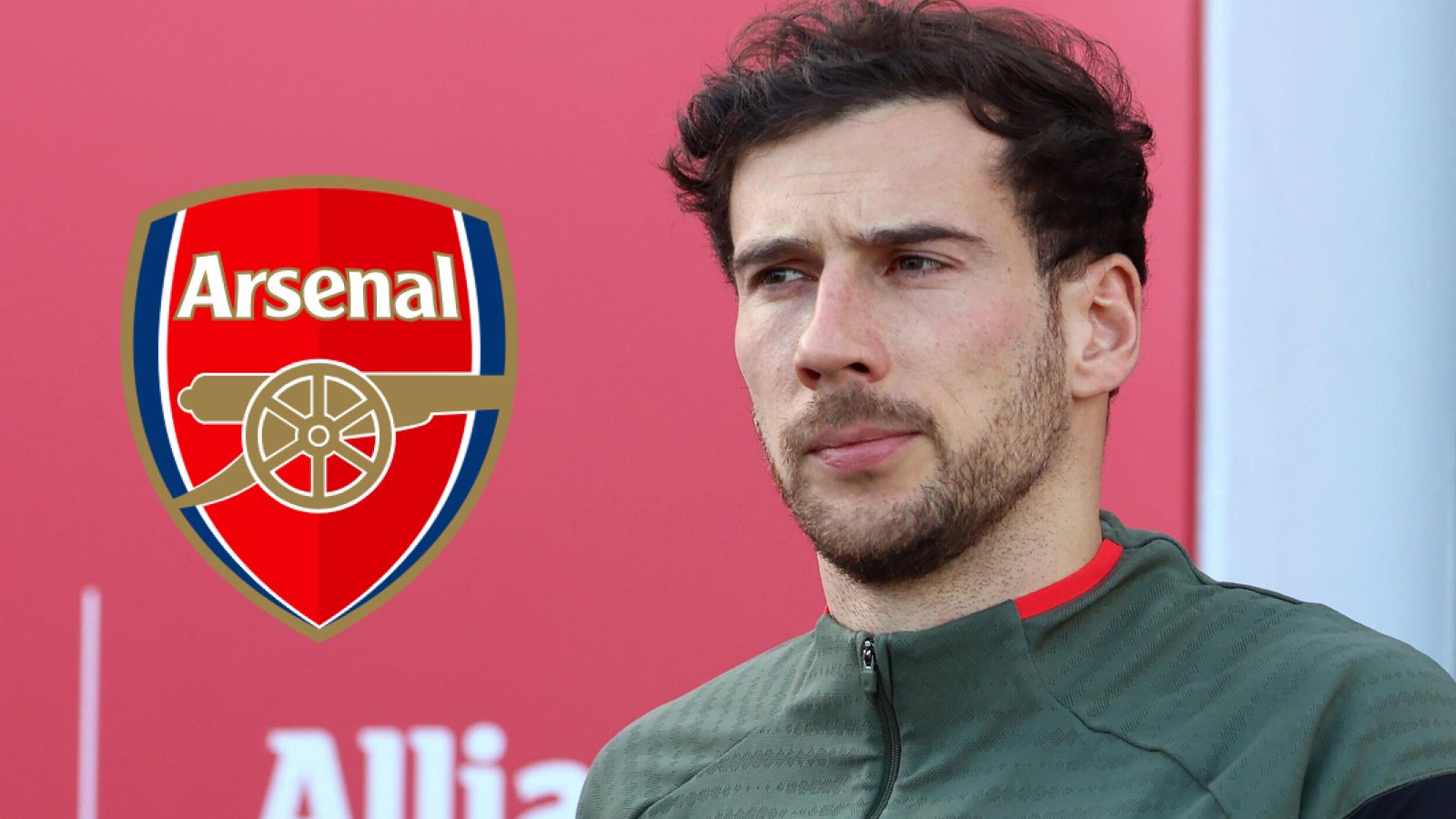
In the men's game, physical profiles dictate the transfer market. Reports indicate Arsenal are currently the favourites to sign Bayern Munich midfielder Leon Goretzka. The Gunners are reportedly prepared to sell three squad players to fund the move.
This potential transfer demands severe medical scrutiny. Goretzka is an exceptional talent. He is a powerhouse box-to-box midfielder. But his injury history cannot be ignored. He has repeatedly missed time with muscular issues, particularly concerning his hamstrings and knees.
Arsenal's medical department will have to conduct a brutal evaluation. If they sign a player with a history of soft-tissue damage, they have to completely adapt their training methods. The Premier League is significantly faster and more physical than the Bundesliga. The intensity of pressing in England regularly breaks players who carry underlying muscular vulnerabilities.
A major critical observation must be made here. Arsenal have a terrible history of gambling on injury-prone players and losing. If they authorize the sale of three durable rotation players to bring in Goretzka, they are sacrificing necessary depth. If Goretzka then goes down with a six-week hamstring tear in October, their midfield depth is totally exposed. It is a massive, unnecessary risk.
Stadium Push and Medical Facilities
Elite medical execution requires elite facilities. Manchester United are painfully aware of this reality. They are aggressively pushing forward with plans for a rebuilt Old Trafford. The club offered a brief update today on the new stadium development, simply stating:
"We are on track."
They are also lobbying the FA to nominate the rebuilt stadium to host the 2035 Women's World Cup final. The FA is currently resisting that push. The home nations are frontrunners to host the tournament, but the venue selection remains heavily contested.
A new stadium means brand new medical facilities. State-of-the-art recovery pools. Advanced biomechanical analysis rooms. Hyperbaric chambers built directly into the dressing rooms. If Manchester United want to consistently compete in a 14-team WSL and survive deep into the WCL, they need those modern facilities. The physical demands of the sport have vastly outgrown their current setup.
A shrewd £18 million business decision by Manchester United was also reported today, boosting their summer transfer kitty. These financial maneuvers are intrinsically linked to medical realities. Millions of pounds buy elite talent, but they also buy advanced recovery technology. Financial strength directly translates to physical endurance on the pitch.
The modern football calendar is a pure war of attrition. Expanding leagues. Relentless European fixtures. High-profile transfers carrying significant physical risk. The teams that win trophies are not always the ones with the best tactics. They are the ones with the best doctors. Right now, every club is staring down a grueling path to the end of the season. The medical departments will decide who survives.