The transition from international stage to Brisbane Roar
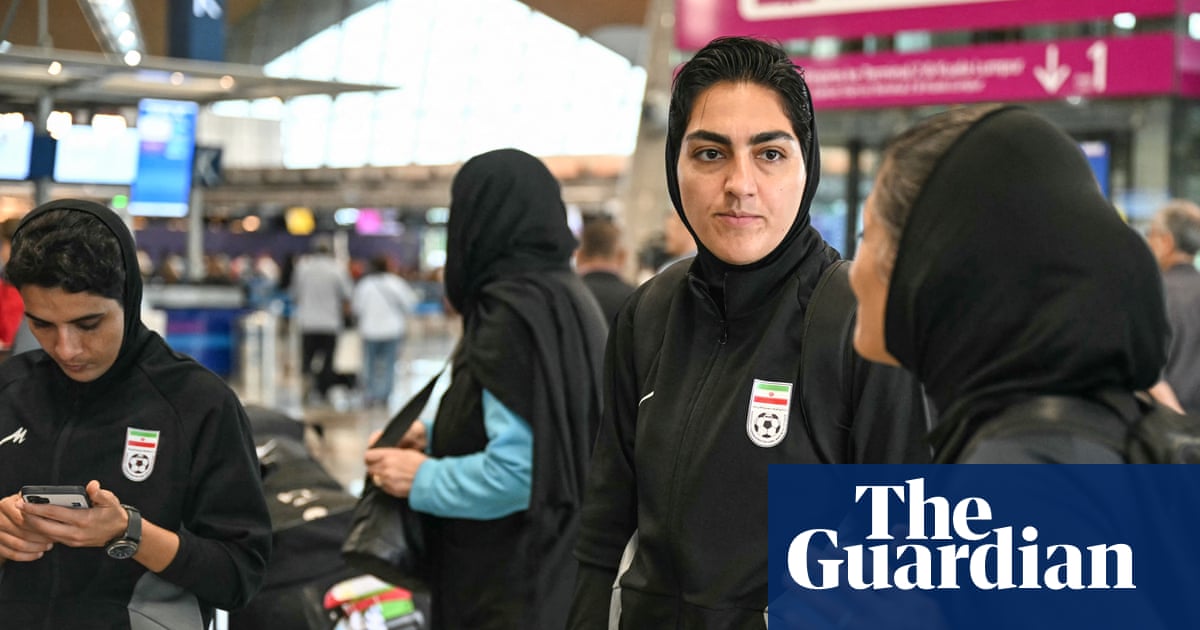
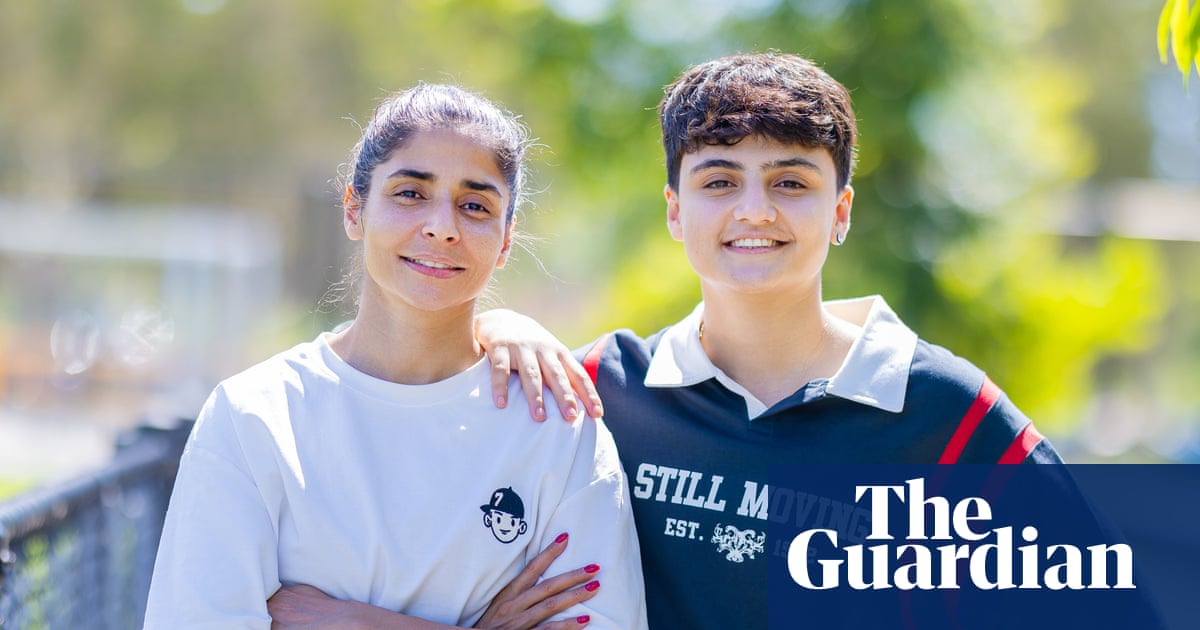
For most professional athletes, the transition between clubs involves a standardized medical, a contract negotiation, and a move to a new apartment. For former Iranian international players Niloufar Ramezanisadeh and Shabnam Pasandideh, the move to Brisbane Roar training facilities represents something fundamentally different. These two individuals left their homeland during the Women’s Asian Cup to seek asylum in Australia, turning their backs on their international careers to secure personal safety.
Reports indicate the pair have been participating in training sessions with the Brisbane Roar squad as they adjust to life in Queensland. The decision to stay in Australia, as The Guardian reported, marks the beginning of an uncertain professional future. While the physicality of A-League Women training is high, the mental toll of seeking permanent sanctuary cannot be understated.
The reality of the jump in intensity
Training with an established club is a significant step, but elite football demands consistency that requires more than just raw talent. Ramezanisadeh and Pasandideh are entering a system that prides itself on tactical discipline and high-pressing transitions. Brisbane Roar coaches will be looking to see if their on-ball composure survives the increased pressing frequency found in Australian domestic football clinics.
One concern for any player joining a mid-season training block is the risk of injury. These athletes have been through a harrowing ordeal, and their match fitness likely took a dip during the transition period. Rushing into high-intensity sessions carries a high probability of muscle fatigue or soft tissue issues. Managing their return to competitive levels while navigatng the legalities of their asylum claims is a complex 7-day-a-week operation.
What this signals for the team
The reception they have received from the Brisbane Roar squad has been described as supportive. Integrating players who are effectively stateless requires a delicate touch from both management and the playing group. The club appears to be prioritizing their well-being, acknowledging their status as human beings first and potential squad depth second.
However, the narrative surrounding their arrival should not obscure the technical requirements of the game. For these two to eventually secure a roster spot, their output metrics must mirror the current starters. We need to see them track back efficiently and execute 85% of their short-range passing under duress before anyone considers them genuine prospects for a match-day squad.
A difficult path forward
This situation highlights the precarious life of an athlete operating outside of their own support systems. While it is heartening to see their dedication to the game, the gap between training with a side and being match-fit for professional play is enormous. Expect the club to remain quiet on any formal announcements until their legal residency status is resolved.
My prediction remains cautious. While the technical quality is clearly present, the psychological and physical transition will likely keep them from seeing competitive minutes before the conclusion of the current cycle. They have achieved the hardest part—securing their safety—but the ladder back to professional, competitive football has many more rungs to climb.
Read Next
- Top 10: Defining Moments of the 2025/26 Season
- Top 10: The Definitive Football Moments of the 2025/26 Campaign
- Why Millwall are the dark horse for automatic promotion
- Real Madrid fans are busy picking sides between Klopp and Poch
- 🇮🇷 Iran World Cup 2026 — Team Melli Hub
- 🇦🇺 Australia World Cup 2026 — Socceroos Hub