The end of the blockbuster era for the national sides
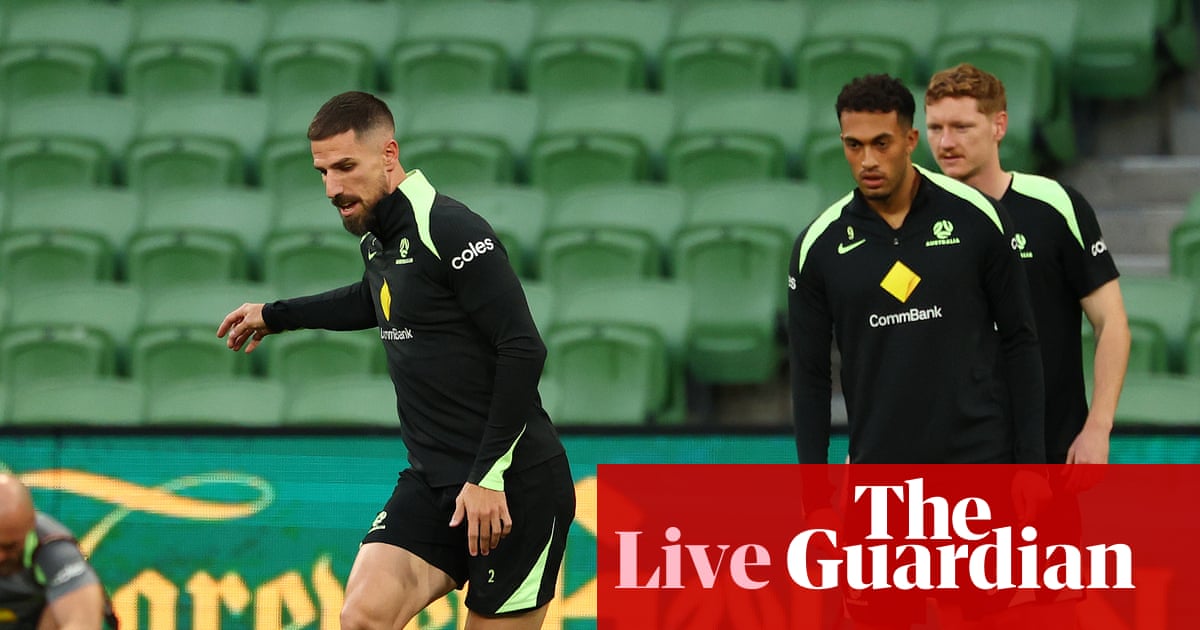
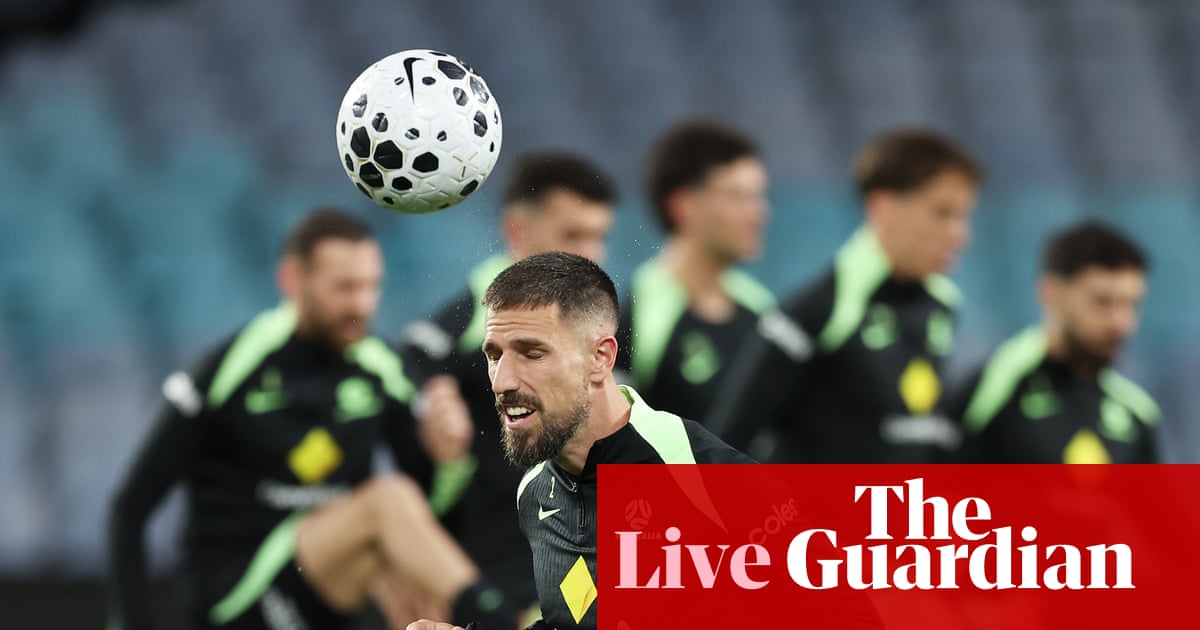
Football Australia is staring down a hollow calendar. The golden years of packing out stadiums for high-profile friendlies are fading into memory, replaced by a logistical nightmare of scheduling and bloated elite travel demands. Luring top-tier opposition to the southern hemisphere has become a grueling task that requires significantly more than just a lucrative match fee.
As outlined today by Jack Snape, the desire for blockbuster home fixtures for the Matildas and Socceroos is hitting a wall. Top European and South American nations are increasingly prioritizing rest and domestic-based camps. For them, the long-haul flight to Australia is an inconvenience that disrupts the delicate calibration of their own tactical cycles.
Tactical isolation and the scheduling trap
The issue goes beyond simple geography. Elite managers today are obsessed with control. They demand specific pitch dimensions, climate-controlled training environments, and total isolation from fans to execute tactical drills. Bringing a full-strength side like Brazil or Germany to a public-facing friendly in Sydney or Melbourne is often viewed as a dilution of professional standards.
This creates a genuine problem for match-going fans. Watching the national teams against lower-ranked opposition provides little in terms of data-backed growth. When the Socceroos line up against an opponent ranked outside the top 50, the lack of defensive pressure creates a false sense of security. You do not see the vertical passing lanes or the high-intensity counter-pressing triggers that define the world stage.
The financial model is also strained. Attendance figures have remained strong, but the quality of the product is tethered to the quality of the visiting team. If Australia cannot provide a Tier-1 opponent, the commercial value of the broadcast and ticket sales will eventually crater. We have moved past the point where the jersey itself satisfies the market.
The upcoming World Cup pressure
With the 2026 World Cup arriving in just 70 days, these missed opportunities to test squads against world-class opposition are worrying. A preparation match against a middling side does not prepare an midfield pivot for the speed of a transition from someone like Spain or France. We are essentially flying blind in our lead-up to the most significant tournament in the sport’s history.
The Football Australia hierarchy must find a way to offer more than just a paycheck. They need to provide a tactical incentive, perhaps by proposing joint training blocks or utilizing the climate as a benefit rather than a logistical hurdle. If they fail, we are looking at a future where our only top-tier minutes come during competitive tournaments, leaving our squads structurally behind the rest of the globe.
My prediction? Expect fewer 'destination' matches and more focus on regional tournaments in Asia to keep the squad competitive. It lacks the glamour of a traditional friendly, but in a world of high-performance efficiency, it is the only path that makes sense. The blockbuster era is dead.