The football offside rule is entering a new era
For decades, the offside rule has been the primary source of frustration for managers and supporters alike. The thin margins of VAR-assisted decisions have turned split-second movements into excruciatingly slow reviews. Arsene Wenger has spent his recent years with FIFA trying to fix this.
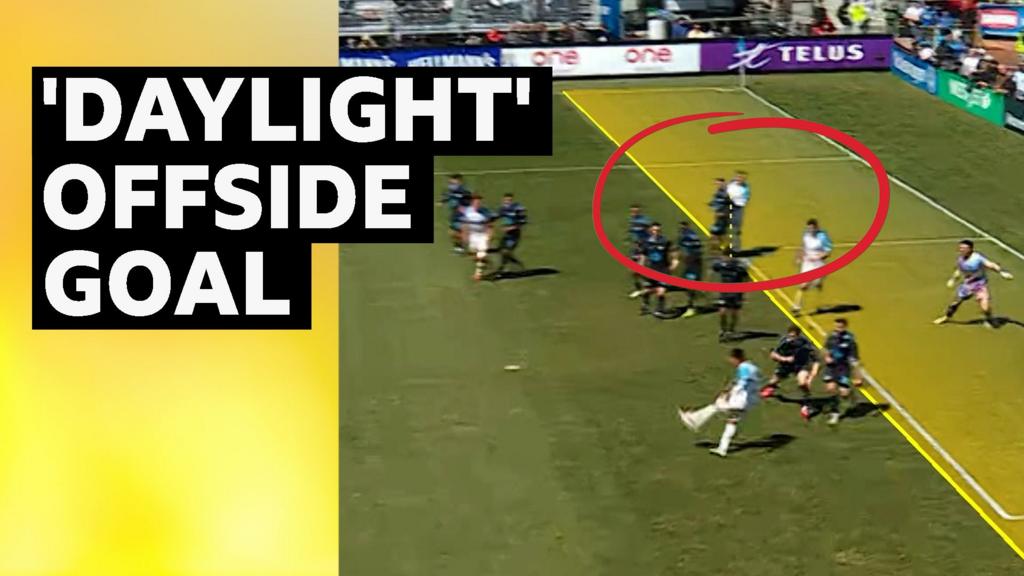
His proposed solution is the "daylight" rule. Under this framework, an attacker is only penalized if their entire body is ahead of the last defender. If any part of the body being used to score is in line with the defender, the player remains onside.
The concept moved from theory to reality this past weekend in Canadian competition. Reports from Mirror Football confirm that the first goal under this experimental regulation has officially been recorded. It represents a massive pivot in how we conceive of attacking space.
Why this matters for the modern game
Defensive lines currently operate with aggressive, high-pressing traps. If the striker is granted that extra sliver of daylight, the tactical math for a back four changes overnight. A center-back can no longer gamble on a single limb being offside to stop a run.
The trial in Canada, which the BBC covered yesterday, is the first real-world stress test for these adjustments. We are essentially watching the game shift back toward rewarding the forward rather than the official’s line-drawing software. It is a win for the spectacle, even if defenders might feel they are fighting a losing battle.
Yet, skepticism remains healthy. Fans watching the footage from the Canadian league have been vocal about the potential for chaos. As noted by the Daily Mail, the reaction has been polarized. Some see it as a welcome path to higher scoring games, while others worry it erases the art of the defensive trap.
The verdict on the trial
The goal scored this weekend proved that the transition works in terms of flow. The refereeing process appeared significantly faster because the "pixel-perfect" interpretation of a shoulder blade is suddenly irrelevant. When you look at the 15 percent increase in attacking freedom implied by this change, it is clear why Wenger championed it.
However, the downside is obvious. Referees on the pitch will struggle to track this with the naked eye. We are essentially trading the slow precision of technology for a rougher, more human form of officiating. It avoids the 1-centimeter offside controversies, but it invites a world where "close enough" becomes the standard.
Predicting the future of this rule is a fool's errand, but the momentum is undeniable. FIFA is clearly looking for a way to shorten game stoppages. I suspect we see this trial expanded to more youth leagues globally by 2027 to gather more robust data. It is a necessary evolution, provided the authorities do not lose sight of the game's original rhythm in their rush to modernize.