Logistics are the new strikers
We are forty-eight hours from kickoff and the American infrastructure is sweating. Hosting a global circus is one thing, but running a cross-continental logistics operation across 16 cities is like trying to synchronize a watch with a hammer. FIFA is betting that American sprawl can handle the influx, but local transit agencies are already bracing for what they call gridlock alert days. If you thought getting out of a parking lot after a Sunday game was rough, imagine doing it when half the planet descends on venues that aren't exactly known for their pedestrian connectivity.
The ticket office is a digital nightmare
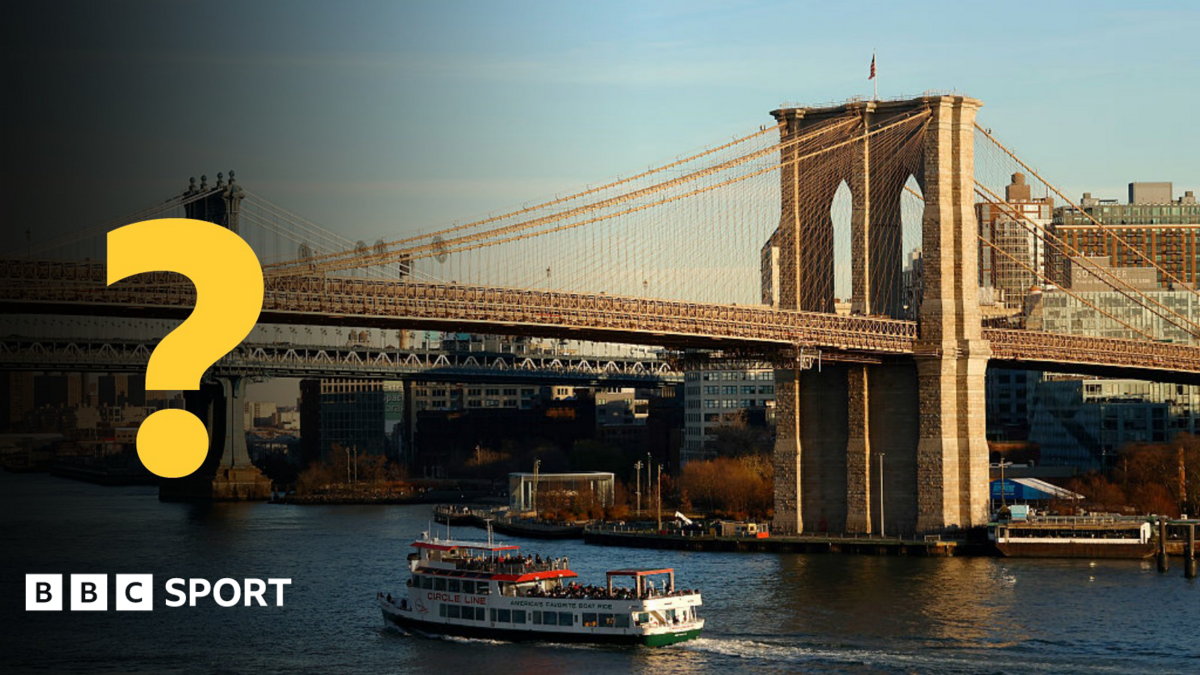
Don't even get me started on the ticketing situation. It is the classic corporate gatekeeping move, turning a sport for the masses into a lottery system that feels rigged by a bad script. Fans are scrambling for seats as if they are boarding the last lifeboats on the Titanic. Prices for the final in New York have surpassed the absurd, and if you haven't secured your pass yet, you are basically hoping for a miracle from a resale site that takes a 30% cut for being a middleman. The BBC reported that even getting hold of a ticket has become a competitive sport in itself.
Surface level preparedness isn't enough
Host committees are promising smooth sailing, but the reality is always messier than a press release. The US has the stadiums and the flashy screen space, but you cannot download a functional public transport network or magic away stadium traffic patterns. Hosting this event is a massive flex, yet the danger lies in the execution. If the fans spend more time in gridlock than watching the beautiful game, the luster drops off quickly.
What could actually go wrong on launch day?
Predicting a disaster is low-hanging fruit, but being realistic is mandatory. You have thousands of international visitors used to world-class public transit suddenly dumped into car-centric cities where a rental Kia is your only lifeline. The internal operations at major airports are likely to buckle under the strain of thousands of extra flights. FIFA wants a shiny global showcase, but the reality is they have handed the keys to a house that requires a GPS to find the kitchen. We might get 64 spectacular matches, but the operational tax on the host cities will be written about for years.
The irony of the American host
It is genuinely hilarious that the US wants to be the center of footballing gravity for the next month while having a local league that still functions like a closed-shop franchise system. We treat football like a startup launch where you prioritize user growth over actual stability. If this goes south, the fallout for FIFA and the local organizing committee will be legendary. We are waiting for the kickoff on June 11, but the real match is already happening in the back offices. Whether this becomes the gold standard of tournament hosting or a cautionary tale remains the big question.
Read Next
- Africa is sending 10 teams to the World Cup and fans are losing their minds
- The 48-nation logistical grind: Gus Hully's liquid World Cup haul
- Top 10: Defining Moments of the 2025-2026 Football Calendar
- Craig Gordon’s World Cup miracle has us all questioning reality
- 🏆 World Cup 2026 — Full Coverage Hub