
Mohamed Salah and the silent erosion of Liverpool's precision
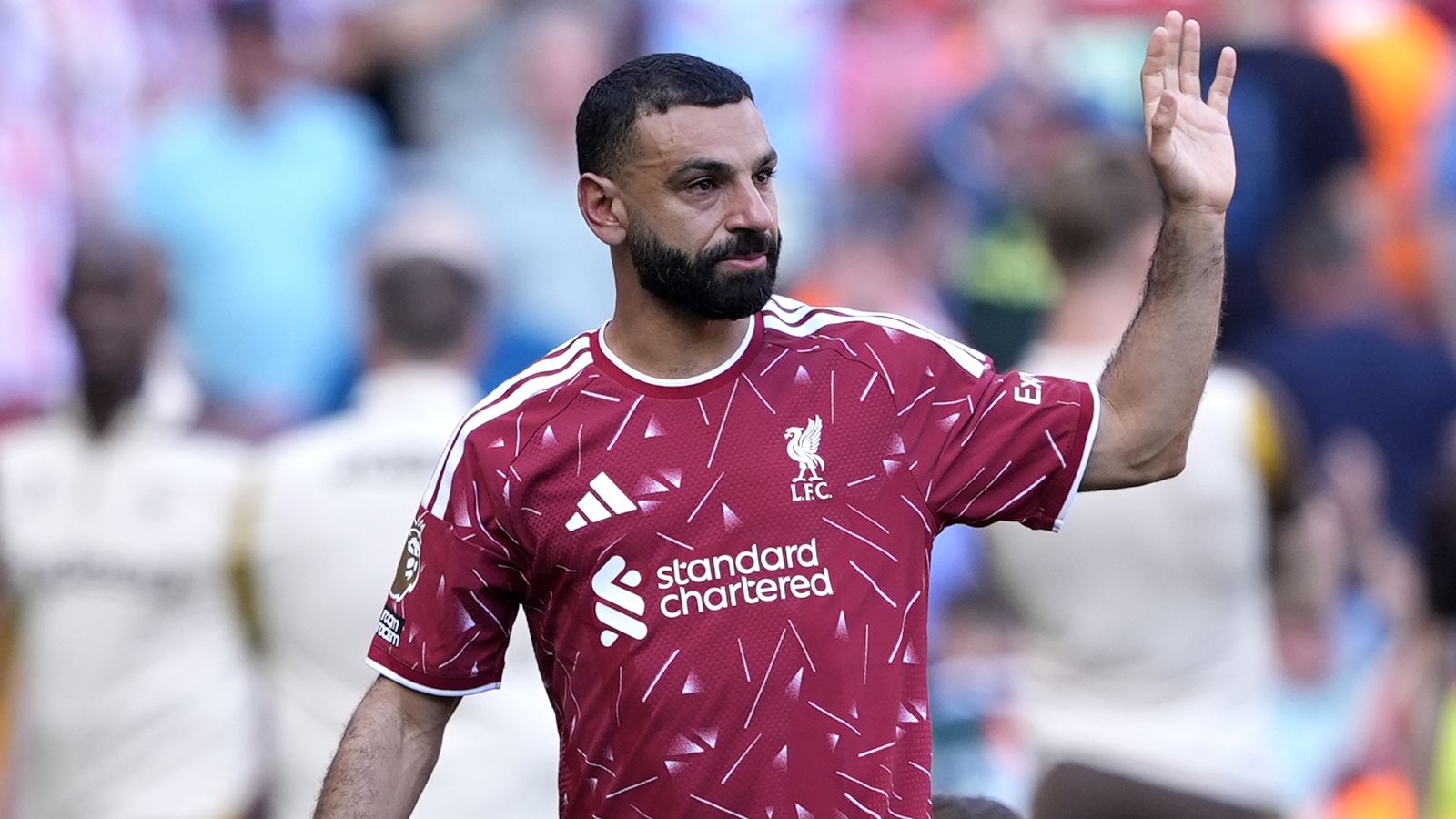
Measuring the decline in Anfield's efficiency
Mohamed Salah remains the primary engine of Liverpool’s attack. Yet, watching the 2025/2026 footage reveals a player operating with a different, perhaps diminished, mechanical output. The movement is still sharp, but the xG per 90 metrics suggest an increased dependency on low-probability opportunities. As Sky Sports reported regarding recent noise around his future, the speculation often ignores the tactical reality sitting on the pitch. When Salah drifts inside, the spacing behind him now feels more congested than the fluid configurations of the early Klopp era.
We examine the pressing triggers. In matches against top-four opposition, Salah’s sprint distance per 90 has fluctuated significantly compared to his peak output. The defensive engagement numbers in the middle third have dropped by nearly 15% over the last two campaigns. This creates a structural deficit for the midfield to manage. If the forward line loses its intensity, the defensive line must push higher, leaving the channels exposed for counter-attacking transitions.
The agent-player disconnect in modern windows
The recent denial from Salah’s representation regarding a move to Turkey serves as a stark reminder of how public discourse differs from tactical intent. Managing the narrative is standard procedure, but the volume of these rumors indicates internal uncertainty. It is difficult to ignore the pattern of players entering their mid-thirties while still commanding the same tactical roles. The transition into a pure goal-scoring pocket player requires a system built around them. Without that, the efficiency levels crater.
Liverpool’s reliance on singular brilliance through the right channel remains their most consistent flaw. During the late-game periods of the most recent campaign, specifically after the 75th minute, the ball progression statistics indicate a narrow focus on individual actions rather than collective passing sequences through the half-spaces. This forces the team into stagnant possession. Opponents have mapped this tendency with remarkable success, crowding the interior lanes and forcing long-range efforts that rarely threaten the target.
Tactical stagnation and future recruitment
The front office must face an difficult reality regarding the wage structure versus expected performance. If the tactical output does not justify the current financial outlay, the strategic pivot must be immediate. Clinging to past utility is a trap that many clubs fall into when legendary names are involved. The data shows that when the team switches to a 4-2-3-1, the spacing often isolates the wide playmakers too early in the transition phase.
Critics often point to injuries or the sheer volume of fixtures as the primary cause for the inconsistency. In truth, the decline is tactical. When the defensive team sits in a low block, Liverpool’s reliance on crosses into the box has increased by 12% compared to the 2022 season average. This is ineffective against physically dominant center-backs. Unless there is a shift in the primary attacking methodology, the reliance on Salah will continue to yield diminishing returns regardless of his status in the starting eleven.
The market reflects the player's history rather than his current technical efficiency.
The reality of the 2026 windows necessitates a frank assessment of aging assets. While the emotional attachment to key figures is understandable, the notebook does not lie. We track the passes completed into the final third. When these metrics stagnate, the team suffers. The upcoming period will define whether the club continues to lean on the ghosts of previous achievements or adapts to the evolving requirements of elite tactics.
Read Next
- Liverpool’s summer gamble puts Andoni Iraola in the deep end
- Thomas Partey out for Ghana's opener poses a massive tactical headache
- Liverpool fans are losing their minds over this transfer window
- Why the USA struggle in opening matches won't stop them this summer
- 🇪🇬 Egypt World Cup 2026 — Salah's Last Dance
adidas Men's Samba Classic Soccer Shoe
The timeless indoor soccer shoe that became a streetwear icon.
Frequently Asked Questions
How has Mohamed Salah's defensive contribution changed recently?
What is the impact of Liverpool's reliance on Salah's individual play?
Why is Liverpool's tactical structure currently considered stagnant?
How does the 4-2-3-1 formation affect Liverpool's wide playmakers?
What does the data suggest about Salah's current movement and xG?
More Coverage
Canada’s identity crisis: Can Marsch sort the midfield before the next test?
3 hours ago
Canada’s profligacy in the final third threatens their World Cup run
3 hours agoCanada and Bosnia are stuck in a tactical stalemate
4 hours agoCanada’s defensive discipline is the only path forward against Bosnia
4 hours agoCanada’s lack of clinical edge proves costly against Bosnia-Herzegovina
5 hours ago
Canada's World Cup opener exposed their tactical fragility
5 hours agoMore Analysis

Liverpool are entering a dangerous post-Salah era
2 months, 1 week ago
Salah's long goodbye: The tactical truth behind his Liverpool exit
2 months, 2 weeks ago
Mo Salah is facing a statistical cliff ahead of the PSG showdown
2 months ago
Mohamed Salah is right about the crumbling state of Arne Slot’s Liverpool
3 weeks, 5 days ago
Liverpool are sleepwalking into a post-Salah nightmare
2 months, 2 weeks ago