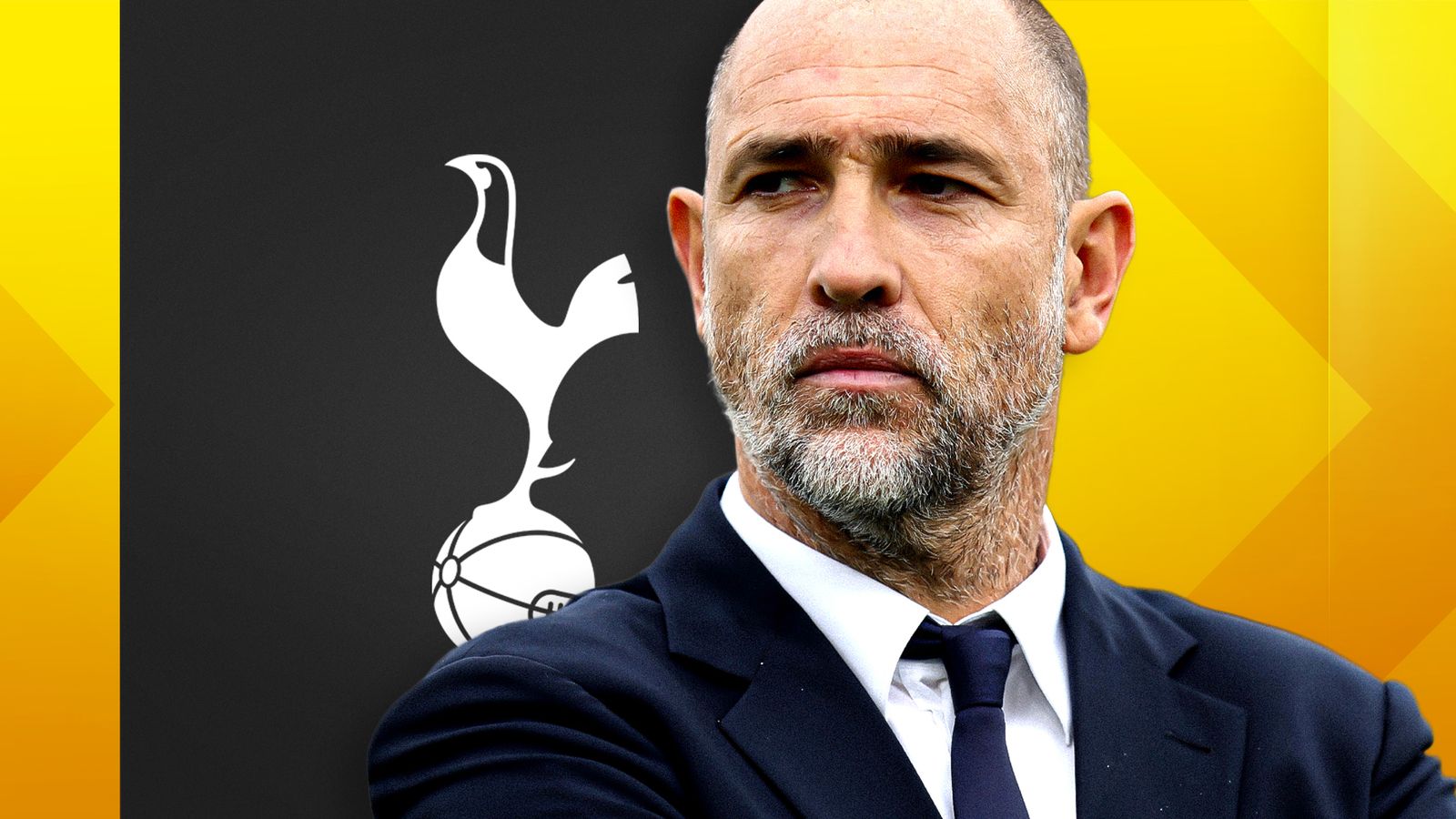
The Inevitable End of the Igor Tudor Era
It is March 29, 2026, and Tottenham Hotspur are doing that thing they do better than anyone else in world football. They are hitting the massive, glowing red reset button. The Igor Tudor experiment is officially dead and buried, and frankly, the only surprise is that it lasted until the clocks went forward.
If you have spent any time watching Spurs this season, you already knew this divorce was coming. The football was relentlessly dire. The post-match press conferences had devolved into bizarre, defensive monologues. The atmosphere inside the stadium had shifted from vocal frustration to outright, eerie apathy. When a fanbase stops booing and just starts staring blankly at their phones, you are finished as a manager.
Tudor was brought in to instill a sense of ruthless toughness. He was supposed to make Tottenham hard to beat, to eradicate the soft underbelly that has defined the club for a generation. Instead, he just made them incredibly difficult to watch, alienating the creative players and boring the paying public to tears.
The Anatomy of a Dressing Room Revolt
You do not lose your job at a major Premier League club just because the fans are unhappy. You lose it because the dressing room stops running for you. And the Tottenham dressing room checked out of the Tudor project weeks ago.
Modern footballers do not respond well to constant, aggressive confrontation. The authoritarian approach works for exactly six months before the players realize they hold all the actual power. Under Tudor, the training ground reportedly became a miserable place to work. The tactical drills were rigid. The public throw-unders were frequent. You cannot treat international footballers like misbehaving school children and expect them to bleed for you on a Saturday.
The body language on the pitch has been a dead giveaway since late January. You could see it in the dropped shoulders after a misplaced pass. You could see it in the complete lack of urgency when transitioning from attack to defense. Players were simply going through the motions, waiting for the inevitable club statement to drop on social media.
There is nothing more toxic than a squad that knows the manager is a dead man walking. They stop taking risks. They play within themselves to avoid making mistakes that will get them screamed at. It becomes an exercise in pure self-preservation, and that translates to some of the most cowardly football imaginable.
The Men Behind the Curtain
But let us not just point the finger at the fiery Croatian in the dugout. Firing the manager is the easy part. It is the football equivalent of putting a bucket under a leaking roof and pretending you fixed the plumbing.
The real spotlight, the uncomfortable, glaring heat, now falls squarely on the executive box. Chief executive Vinai Venkatesham and sporting director Johan Lange are officially out of hiding places.
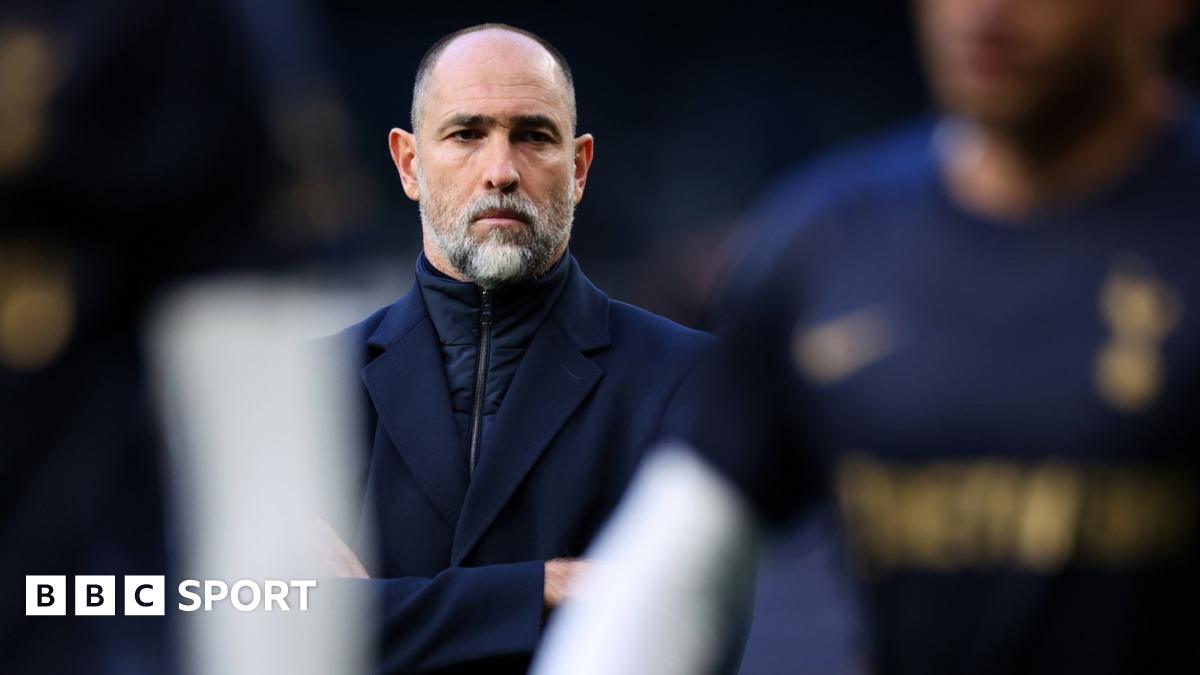
As Phil McNulty pointed out for the BBC, they have finally addressed their Tudor mistake, but they are out of lifelines.
"Chief executive Vinai Venkatesham and sporting director Johan Lange must get the next Tottenham appointment correct or else they could follow Igor Tudor."
They tied their professional reputations to this appointment. They championed his hard-line methods to the board. They pitched him as the antidote to the club's perceived mental fragility. They got it spectacularly wrong.
Executives in top-flight football have mastered the dark art of survival. When things go well, they take all the credit for building a visionary project. When things fall apart, they immediately leak stories blaming the manager for failing to utilize the incredible tools they provided. But that trick only works once per tenure.
Venkatesham and Lange have played their get-out-of-jail-free card. They pulled the trigger on Tudor before the season spiraled into complete, irrecoverable disaster. But Daniel Levy is not a patient man. If the next manager comes in and flops, the chairman will not be firing another head coach. He will be firing the guys who keep picking the wrong head coaches.
A Tactical Wasteland
Let us talk about the actual product on the pitch, because it is entirely unacceptable for a club with Tottenham's resources. What did Spurs actually look like under Tudor? A disorganized, fearful mess.
There is a recurring theme with modern Tottenham. They panic. They realize the squad lacks a certain physical edge, so they overcorrect entirely. They hire a disciplinarian who demands suffering, completely forgetting that the fanbase ultimately demands to be entertained. This is a club built on a specific attacking ethos, whether the board likes it or not.
Under Tudor, the team looked completely disconnected from front to back. The attacking patterns were practically non-existent. You would watch them struggle to break down a low block for 85 minutes before inevitably conceding a sloppy goal from a poorly defended set-piece. It was a miserable, predictable watch week after week.
They became a team that neither controlled possession nor countered with any real venom. They existed in a tactical void. When your entire philosophy revolves around running hard and winning second balls, you get found out very quickly by teams with actual technical game plans.
What Do Tottenham Actually Want to Be?
This is the fundamental question that nobody inside the stadium seems able to answer. What is a Tottenham Hotspur team supposed to look like in the year 2026?
Are they a high-pressing, dynamic attacking unit that suffocates opponents? Are they a pragmatically brilliant counter-attacking side built on a rock-solid defensive foundation? Are they just a random collection of expensive individuals hoping for a moment of individual brilliance to save them? Right now, they are none of the above.
The scattergun approach to managerial appointments over the last half-decade has left the squad looking like a mismatched puzzle. You have highly technical players recruited for possession-based systems forced to play alongside physical destroyers who were bought specifically to sit deep and absorb pressure.
It is a recruitment nightmare. And whoever walks through the door next is going to look at this bloated, confused roster and immediately ask for a massive, expensive overhaul.
The Weight of History
You cannot talk about the current state of Tottenham Hotspur without acknowledging the heavy, suffocating weight of their own history. This is a club that constantly measures itself against the ghosts of past glories, even when those glories are decades in the rearview mirror.
Every new manager who walks through the doors at Hotspur Way is immediately handed a history lesson about the Tottenham Way. They are told about the glory, the flair, the expectation to not just win, but to win with a swagger that borders on arrogance. It is a beautiful sentiment, but in the ruthless, hyper-efficient modern era of the Premier League, it is also an incredible burden.
Tudor clearly had no interest in this historical mandate, and he paid the ultimate price. But the next manager has to somehow thread an impossibly tight needle. They have to deliver results immediately, because the financial stakes are too high to allow for a slow rebuild, but they also have to do it while playing a brand of football that appeases a fan base starved of pure entertainment. It is one of the most difficult jobs in world football.
The Financial Realities of Missing Out
The timing of this crisis could not be worse. The expanded Champions League format is a financial goldmine, and missing out on it sets a club back years. Spurs are currently looking at a massive revenue shortfall if they cannot rescue this campaign and secure European football.
The transfer window is creeping closer, and Tottenham are heading into the summer without a permanent, trusted voice leading the project. This is a terrifying position to be in. How do you convince top-tier targets to sign a five-year contract when you cannot even tell them who will be running the training sessions in July?
Lange has to earn his massive paycheck right now. He needs to have a meticulously researched shortlist ready to go. He needs to have an overarching football philosophy that dictates the next hire, rather than just picking the biggest available name on the market and hoping the vibes work out.
The Next Appointment is Do or Die
Let us be brutally honest about the situation in North London. Tottenham are a massive, global club with arguably the best stadium in the world and incredible training facilities. But on the sporting side, they operate with the nervous, erratic energy of a team constantly terrified of their own shadow.
The fans are genuinely exhausted. They have sat through too many false dawns and empty promises. They have watched too many managers arrive talking about a revolution, only to eventually deliver the exact same brand of cautious, uninspired, risk-averse football.
The Igor Tudor era will be forgotten quickly. It was a blip. A painful mistake that was rectified before permanent, structural damage was done. But the men who made that mistake are still calling the shots.
Venkatesham and Lange need to pull a rabbit out of the hat. They need a manager who can instantly command the respect of a cynical dressing room, implement a clear, attractive tactical vision, and somehow navigate the chaotic, high-pressure political structure of the club.
If they get it right, they save their jobs and maybe, just maybe, get Tottenham back on a trajectory that makes sense. If they get it wrong again? They will be quietly clearing out their desks before the end of next season. The clock is ticking loudly, and the margin for error is now exactly zero.
Read Next
- Spurs have sacked Igor Tudor, and the underlying numbers explain exactly why
- Igor Tudor's Tottenham disaster was entirely predictable
- Why Igor Tudor’s man-to-man experiment at Spurs finally collapsed
- Tottenham are going down, and Igor Tudor's 44-day disaster proves it
- 🏆 Europa League Final 2026 — Full Coverage Hub